사뿐사뿐: The Korean Word for Moving Like a Whisper
사뿐사뿐: The Korean Word That Moves Like a Cat in Socks
English is good at a lot of things.
It has borrowed words from hundreds of languages, stretched itself across centuries of literature, and produced some of the most precise legal and scientific vocabulary ever assembled. But English has a blind spot. A quiet, particular blind spot that you only notice once a language like Korean holds a mirror up to it.
English is not very good at describing how things move.
You can walk. You can run. You can tiptoe, shuffle, stride, slink, march. But consider the sensation of something moving so lightly — so softly, so carefully, with such feathery delicacy — that it barely seems to disturb the air it passes through. How would you say that in English? Gently? Softly? Lightly?
All of those work. None of them quite nail it.
Korean has a word for that. It’s 사뿐사뿐 — and once you encounter it, English starts to feel like it’s been missing a note.
What 사뿐사뿐 Actually Means
Pronounced sa-peun sa-peun, this word describes movement that is light, soft, and gentle. Specifically, it evokes the kind of movement where someone — or something — seems to barely make contact with the surface beneath them.
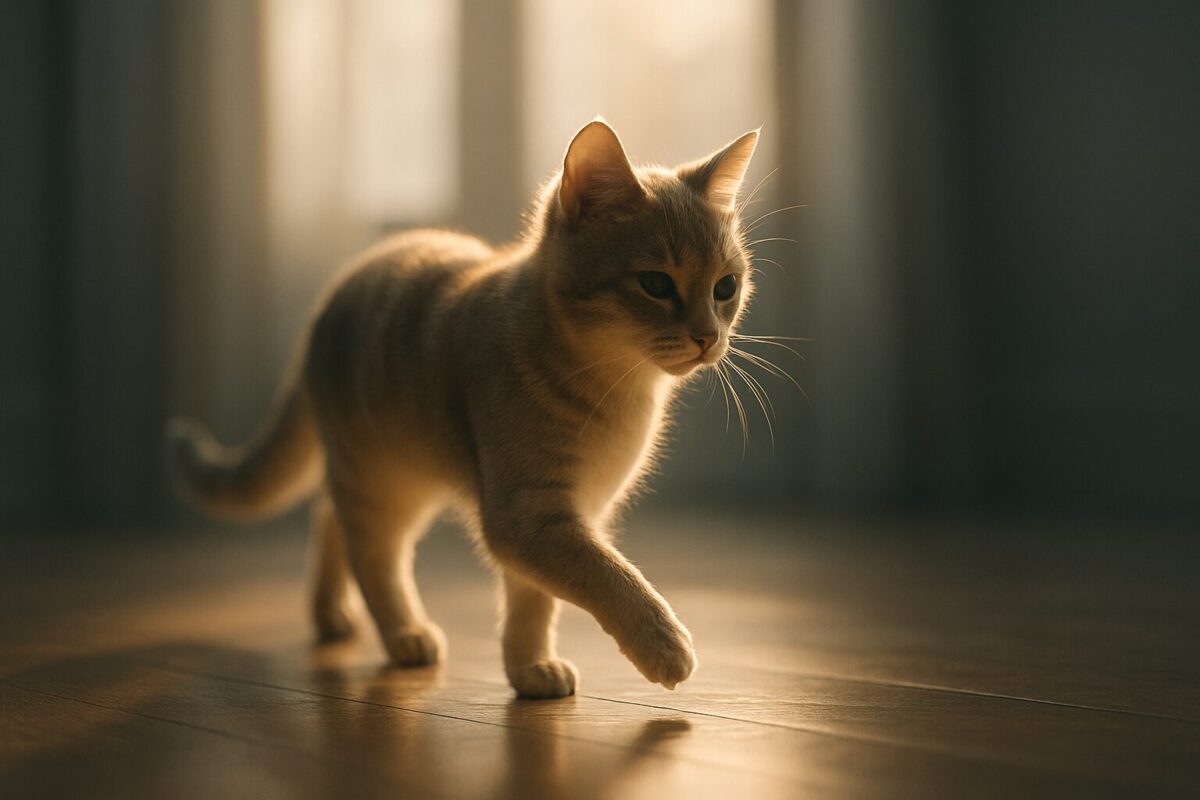
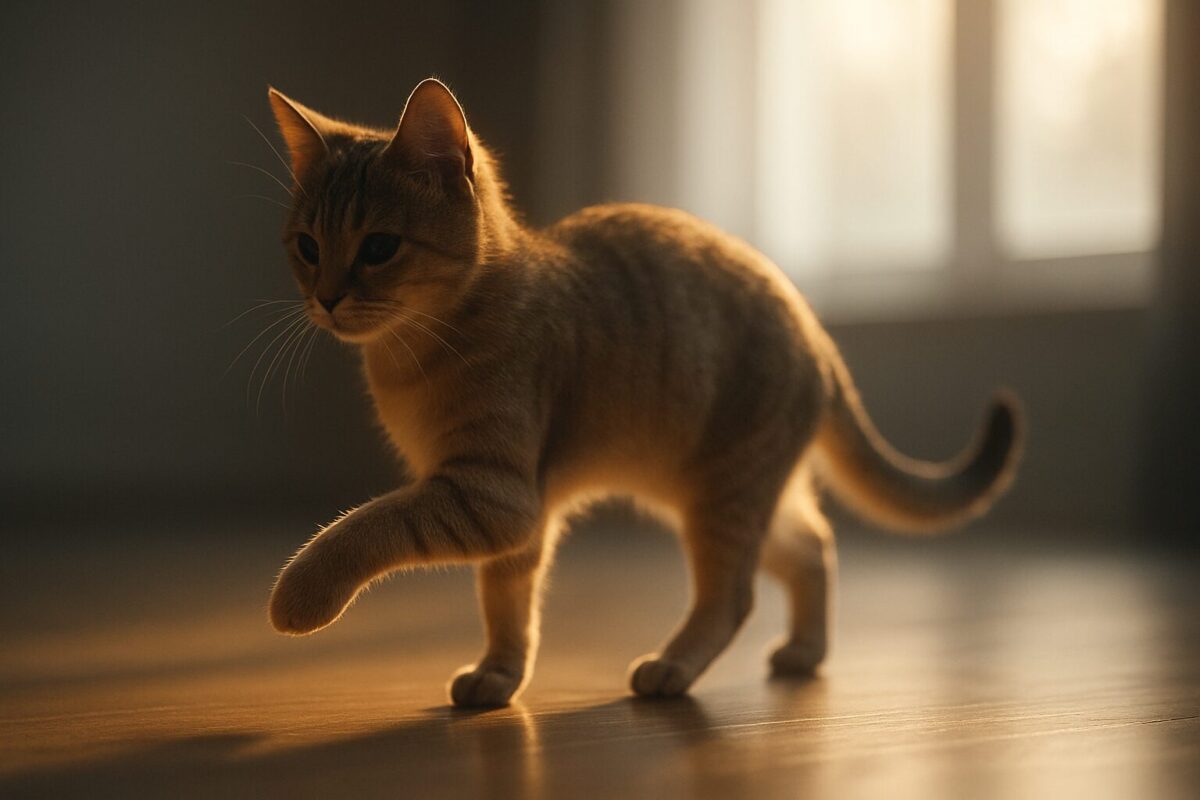
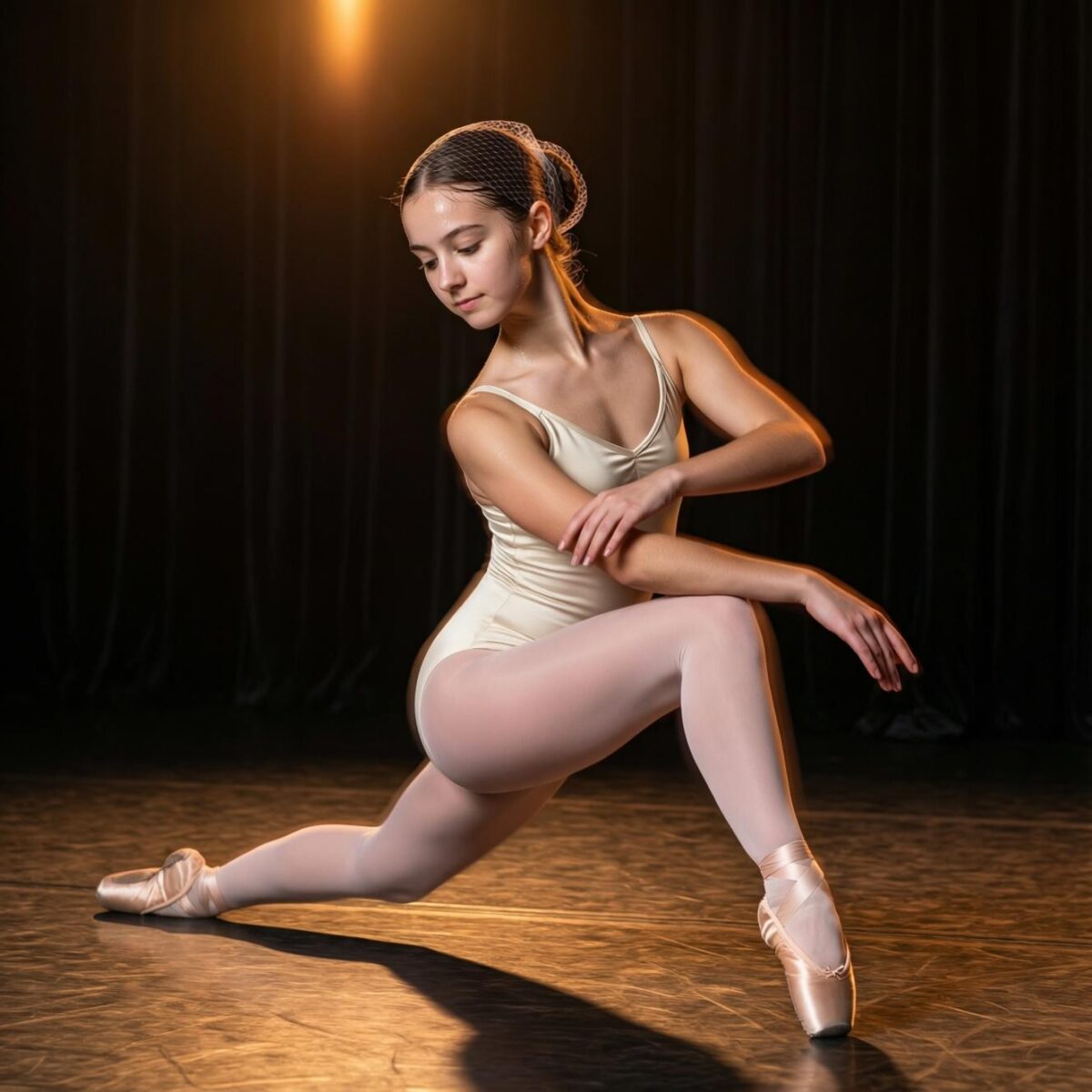
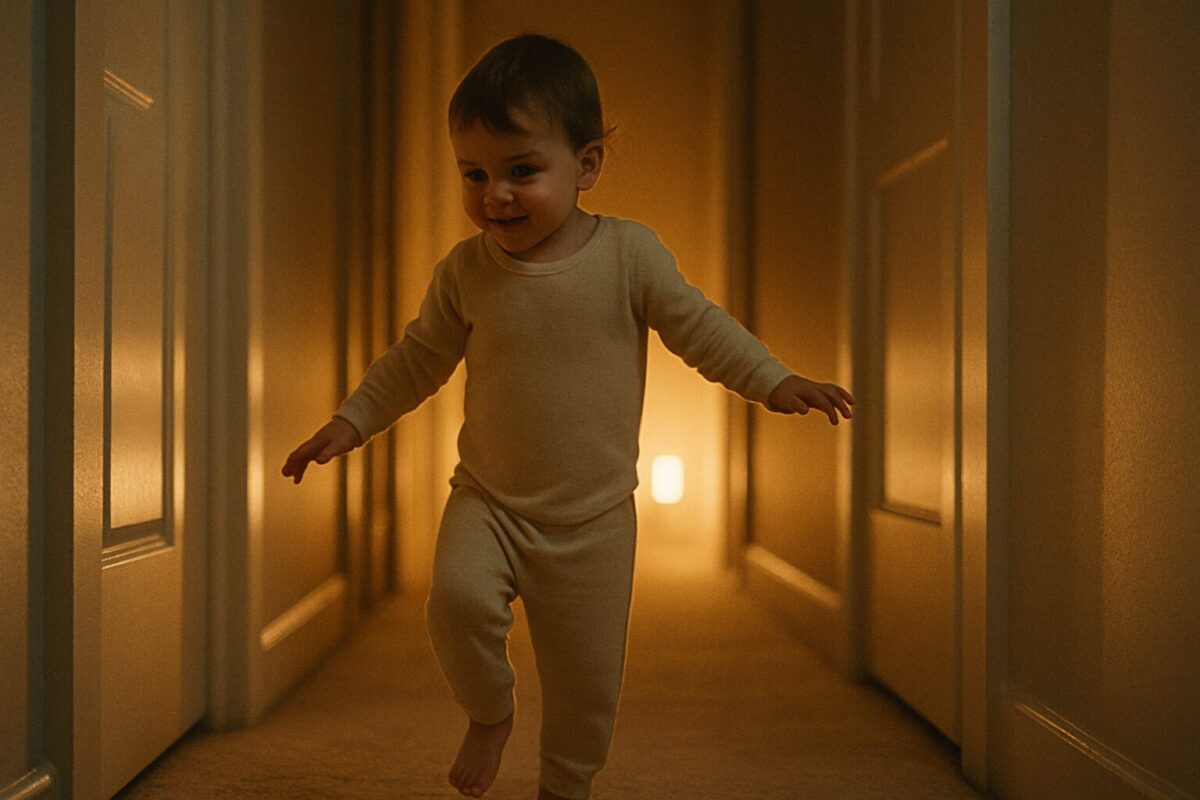
Think of a child tiptoeing down a hallway at midnight, trying not to wake anyone. Think of a dancer whose steps seem to land without weight. Think of a cat crossing a kitchen floor and somehow making no sound at all.
That quality — that specific texture of lightness — is what 사뿐사뿐 captures.
It functions as an adverb in Korean, which means it modifies verbs. You don’t just be 사뿐사뿐. You move 사뿐사뿐. The most natural construction is pairing it with 걷다 (geotda), meaning to walk:
사뿐사뿐 걷다 — to walk lightly, softly, with delicate steps.
But it can accompany other verbs of movement too. Stepping, approaching, arriving — if the action carries that feathery, careful quality, 사뿐사뿐 fits.
The World of 의태어
To understand why 사뿐사뿐 exists and why it sounds the way it sounds, you need to know about one of Korean’s most distinctive features: 의태어 (uitate-o).
의태어 are mimetic words — a category of vocabulary that imitates or evokes the appearance, texture, or manner of something rather than its sound. They’re cousins of onomatopoeia (which Korean also has in abundance, in a category called 의성어), but where onomatopoeia mimics sounds, 의태어 mimics the look and feel of things.
English has a handful of these — “zigzag,” “shimmering,” “wobbly” gesture at the concept. But Korean has built an entire vocabulary system around them. Hundreds of words, possibly more, each capturing a precise physical sensation or visual quality that a plain noun or adjective simply cannot convey.
They show up everywhere in Korean. In children’s books. In song lyrics. In everyday conversation. In literature. A Korean speaker describing someone’s walk, the way water flows, the texture of a fabric, or the manner of eating might reach for a 의태어 almost automatically, the way an English speaker might reach for an adjective — but with far more specificity.
사뿐사뿐 is one of the more elegant members of this family.
The Doubling That Koreans Love
You’ll notice that 사뿐사뿐 is the same syllable repeated twice. 사뿐, then 사뿐 again.
This reduplication — doubling a word or syllable to create a new word — is one of the most characteristic patterns in Korean mimetic vocabulary. It gives the words their rhythm, and that rhythm is not decorative. It actually changes the meaning.
사뿐 alone exists and means something similar — a single instance of that soft, careful landing. But 사뿐사뿐 suggests a continuous, repeated quality. Not one light step, but a whole way of moving. The doubling stretches the moment into a sustained action, like watching someone move across an entire room rather than just catching a single footfall.
This is a pattern you’ll see everywhere in 의태어:
살금살금 — moving stealthily, sneaking without sound. 총총 — quick, small, light steps taken in a hurry. 폴짝폴짝 — hopping or skipping repeatedly, with a bouncy quality. 살살 — doing something very gently, carefully, softly.
Each of these words carries a physical texture that a simple English translation flattens. Saying “sneaking” instead of 살금살금 is like describing a symphony as “music.” Technically correct. Something important missing.
How Koreans Actually Use It
사뿐사뿐 appears in contexts where delicacy and softness of movement are worth naming — which, in Korean, is more often than you might expect.
A parent might describe a sleeping child’s breathing with related words, or tell a young child to 사뿐사뿐 걸어 — “walk softly” — so as not to disturb someone resting. A writer describing a character might use it to signal not just how the person moves physically, but something about their nature: a person who moves 사뿐사뿐 is someone careful, considerate, perhaps a little otherworldly. The word carries connotations, not just a definition.
In Korean song lyrics and poetry, 사뿐사뿐 turns up with some regularity — it has a musical quality to it, a softness in the sound that mirrors the softness of the thing being described. Sa-peun sa-peun. Even spoken aloud, the word barely raises the air. It lands lightly, as it should.
That relationship between the sound of a word and its meaning is something linguists call phonaesthesia — the sense that certain sounds carry inherent emotional or physical qualities. Korean 의태어 are full of it. The soft consonants and open vowels of 사뿐사뿐 are not accidental. They feel like the thing they describe.
What It Reveals About Korean
Languages reveal things about the cultures that built them. Not in a mystical or deterministic way — it’s not that Koreans think differently because of their language, or vice versa. But the vocabulary a language develops and refines over centuries reflects what that culture has decided is worth naming with precision.
Korean has developed one of the most elaborate systems of mimetic vocabulary in the world. This suggests a culture that has long paid attention to the texture of experience — not just what happens, but the exact manner in which it happens. Not just that someone walked into a room, but whether they walked in 사뿐사뿐, or 성큼성큼 (with large, confident strides), or 터벅터벅 (heavily, wearily, dragging their feet).
The English language version of those three options is: walked in, strode in, trudged in. The Korean versions carry more. They carry not just the action but the sensation of witnessing it — the specific quality of the air in the room after it happens.
Learning a single word like 사뿐사뿐 won’t make you fluent in Korean. But it will give you a window into why Korean speakers sometimes struggle to translate their inner lives perfectly into English. Whole textures of experience exist in Korean that English has to work around rather than through.
Try It Yourself
사뿐사뿐.
Say it out loud, slowly. Sa-peun. Sa-peun. Let the double syllables move through the word the way the word says things should move — lightly, without forcing it.
If you want to use it in a sentence, start simple:
고양이가 사뿐사뿐 걸어요. — The cat walks lightly. 사뿐사뿐 들어오세요. — Please come in softly.
These are small sentences. But they carry something that “the cat walks quietly” doesn’t quite, and that “please come in gently” gestures at without fully landing.
That gap — that space between what English can say and what Korean already has a word for — is one of the most interesting places to stand when you’re learning a new language. It’s where you stop translating and start actually thinking in something new.
사뿐사뿐. Light as a step that barely happened.