Korean Native Dog Breeds: Jindo, Sapsali, and Pungsan Dogs
Korean Native Dog Breeds: Jindo, Sapsali, and Pungsan Dogs
When most people think of dog breeds with deep cultural roots, names like the Shiba Inu or the Siberian Husky tend to come to mind. But Korea has its own extraordinary canine heritage — one that stretches back centuries and is woven into the country’s history, folklore, and national identity. The Korean native dog breeds known as the Jindo, the Sapsali, and the Pungsan are not simply old dogs with interesting backstories. They are living symbols of a culture, each with a distinct appearance, personality, and purpose that sets them apart from anything else in the dog world.
This guide takes a close look at all three breeds — where they came from, what they look like, how they behave, and why they continue to hold such a meaningful place in Korean society today. Whether you’re a dog lover, a Korea enthusiast, or simply curious about what makes these animals so special, you’re in the right place.
Table of Contents
- Why Korean Native Dog Breeds Matter
- The Jindo Dog: Korea’s Most Famous Canine
- The Sapsali: The Ghost-Chasing Shaggy Dog
- The Pungsan Dog: The Hunter from the North
- Comparing the Three Korean Native Dog Breeds
- Cultural and Legal Protection of Korean Dog Breeds
- Can You Own a Korean Native Dog Outside Korea?
- Tips for Caring for a Korean Native Dog Breed
- Final Thoughts
Why Korean Native Dog Breeds Matter
Korea has a remarkably long and documented relationship with its native dogs. Historical records, royal court documents, and folk paintings dating back to the Three Kingdoms period reference dogs that closely resemble the breeds we know today. These animals weren’t just companions — they served as hunters, guardians, spiritual protectors, and symbols of loyalty and resilience.
What makes Korean native dog breeds particularly significant is that they have remained relatively unchanged over hundreds, and in some cases thousands, of years. Unlike many modern breeds that were engineered for specific traits over the past century or two, these dogs developed naturally within the Korean peninsula, shaped by its terrain, climate, and the people who lived alongside them. They are, in a very real sense, a living record of Korean history.
Today, all three major Korean native dog breeds — the Jindo, the Sapsali, and the Pungsan — are designated as South Korean Natural Monuments. This status places them under legal protection and reflects the cultural weight they carry in the national consciousness. They are not simply popular pets. They are heritage.
The Jindo Dog: Korea’s Most Famous Canine
Origins and History
The Jindo (진도개) takes its name from Jindo Island, a large island off the southwestern tip of the Korean peninsula in South Jeolla Province. The breed has lived on this island for centuries, developing in relative isolation from mainland influences. That isolation is precisely what preserved the Jindo’s genetic purity and allowed its distinctive traits to remain so consistent across generations.
Exactly how the Jindo arrived on the island is a matter of some historical debate. Some accounts suggest the dogs arrived with Mongolian forces during the 13th-century invasions and interbred with local dogs. Others argue the Jindo is entirely indigenous to the peninsula, predating any foreign contact. What is agreed upon is that by the time written records began describing the breed in detail, the Jindo was already recognized as a distinct and exceptional dog.
The Jindo was designated as South Korea’s Natural Monument No. 53 in 1962, one of the earliest formal recognitions of a Korean native animal as a protected cultural heritage.
Appearance
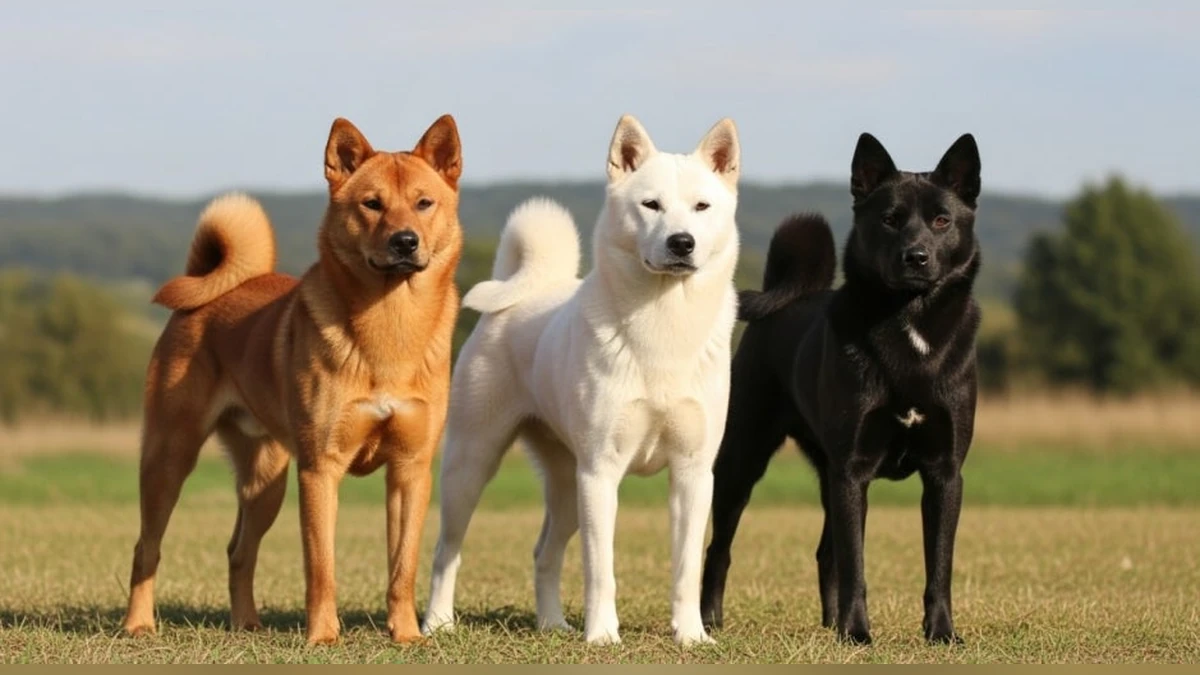
The Jindo is a medium-sized spitz-type dog with a proud, upright posture that immediately suggests alertness and self-possession. The breed typically weighs between 15 and 25 kilograms, with males being noticeably larger than females.
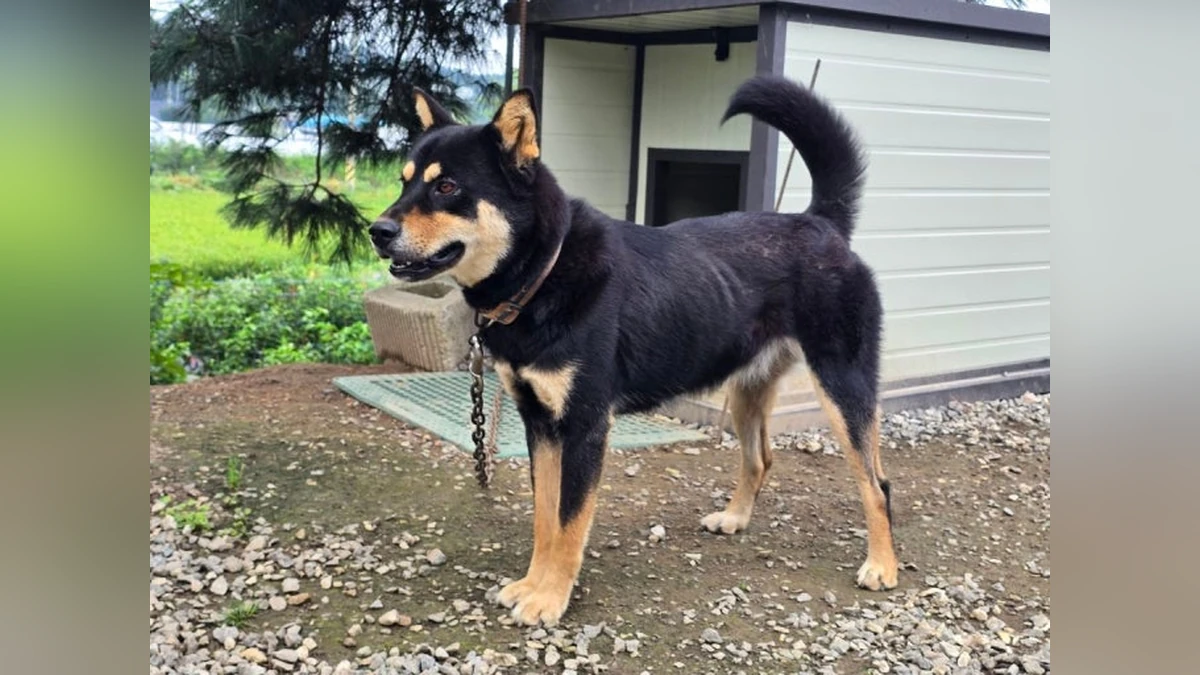
The coat is double-layered — a dense, soft undercoat beneath a harsher outer coat — and comes in several recognized colors: white, fawn (a warm tan), brindle, black and tan, and less commonly, grey. The white Jindo is perhaps the most iconic and widely recognized variety. The tail curls upward in a classic spitz fashion, and the ears stand erect, giving the dog an expression of constant, focused attention.
The overall impression of a Jindo is of a dog that is lean but powerful, graceful but not delicate. They move with a quiet confidence that reflects their temperament perfectly.
Temperament and Personality
The Jindo is widely regarded as one of the most loyal dog breeds in the world — and this is not mere sentiment. The loyalty of the Jindo is a documented and frequently observed behavioral trait that borders on legendary.
The most famous story is that of Baekgu, a white female Jindo who was sold to a new owner in the city of Daejeon — roughly 300 kilometers from her original home on Jindo Island. Seven months later, she found her way back to her original owner, emaciated but alive. The story became national news in Korea and is still referenced today as a testament to the breed’s extraordinary attachment to its people.
Beyond loyalty, Jindos are known for being highly intelligent, clean, and independent-minded. They groom themselves much like cats, rarely have a strong dog odor, and are naturally house-clean. They are also notoriously stubborn — a Jindo that doesn’t respect you won’t follow your commands no matter how clearly you deliver them. Building a relationship with a Jindo requires patience, consistency, and genuine mutual trust.
They tend to be reserved and even aloof with strangers, but deeply affectionate with their immediate family. Early and thorough socialization is essential, as poorly socialized Jindos can become territorial and difficult to manage around other dogs or unfamiliar people.
The Jindo as a Symbol
Beyond its role as a pet or working dog, the Jindo has become a national symbol of Korea in a way few animals match. A pair of Jindo dogs named Hwa-rang and Hang-un were gifted to Kim Jong-un by South Korean President Moon Jae-in at the 2018 inter-Korean summit — a diplomatic gesture that underscored just how culturally significant the breed is. In Korea, giving a Jindo is not simply giving a dog. It is offering something of genuine national meaning.
The Sapsali: The Ghost-Chasing Shaggy Dog
Origins and History
The Sapsali (삽살개) is one of the most visually distinctive dogs in the world. The name itself translates roughly to “one who drives away evil spirits” or “one that chases away bad luck” — a name rooted in centuries of Korean folk belief that this shaggy, long-haired dog possessed the ability to ward off ghosts and misfortune.
The Sapsali’s origins are ancient. Historical documents and folk paintings from as far back as the Silla Kingdom period (57 BC – 935 AD) reference long-haired dogs matching the Sapsali’s description. They were favored by royalty and aristocracy during the Silla period, kept as companions and spiritual protectors in high-status households.
The breed’s survival into the modern era is a remarkable story in itself. During the Japanese colonial period (1910–1945), the Sapsali was nearly driven to extinction. Japanese authorities systematically culled dogs across Korea, targeting native breeds for their fur. The Sapsali, with its particularly dense and long coat, was especially targeted. By the end of World War II, the breed’s numbers had been reduced to a critical low.
Recovery came through the dedicated efforts of a genetics professor named Ha Ji-hong at Kyungpook National University. Beginning in the 1960s, he and his colleagues tracked down surviving Sapsali dogs across the country, carefully bred them back from the brink, and worked to restore the population. The Sapsali was designated South Korea’s Natural Monument No. 368 in 1992, a formal recognition of both its cultural importance and the remarkable effort that went into saving it.
Appearance
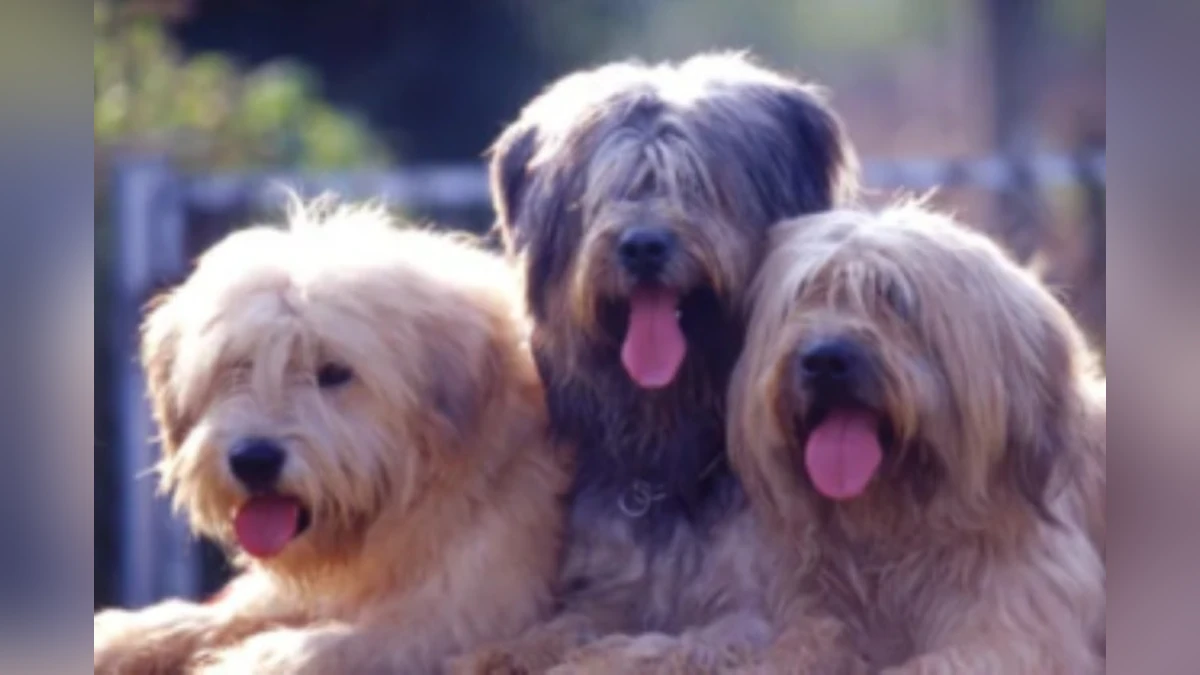
The Sapsali is immediately recognizable and unlike any other Korean native dog breed. It is a medium to large dog, typically weighing between 15 and 30 kilograms, and covered head to tail in long, flowing, slightly wavy hair that often falls over the face entirely. The coat can be blue-black, golden, reddish-brown, or a combination of these colors.
The hair over the face is thick enough that the Sapsali’s eyes are often completely hidden — yet somehow the dog manages to navigate the world with cheerful ease, which only adds to its endearingly eccentric appearance. Beneath all that hair is a solidly built, athletic body capable of surprising agility.
Unlike the sharp, alert look of the Jindo, the Sapsali projects an image of warmth, softness, and approachability — which, as it turns out, perfectly reflects the dog’s personality.
Temperament and Personality
The Sapsali is widely described as gentle, affectionate, and deeply loyal to its family — qualities that made it such a valued companion in aristocratic Korean households historically. It tends to be more openly social than the Jindo, typically getting along well with children, strangers, and other animals with proper introduction.
Despite its spiritual reputation as a ghost-chaser, the Sapsali is not an aggressive dog. It is calm and patient, though it can be protective when it senses a genuine threat. It bonds strongly with its family and does not do well with long periods of isolation or neglect — this is a dog that wants to be part of daily life, not left alone in a yard.
The Sapsali requires regular grooming due to its long coat, which can mat and tangle if not properly maintained. This is a genuine commitment for owners, but for those who take it on, the grooming process often becomes a bonding ritual in itself.
Cultural Significance
The Sapsali occupies a unique space in Korean culture as a dog associated with protection from the unseen world. In traditional Korean shamanism and folk religion, the presence of a Sapsali in a home was believed to keep malevolent spirits at bay. This belief gave the breed a spiritual status that other dogs did not share — it was not simply a pet but a guardian of the household in a metaphysical sense.
That reputation has softened into affection in modern Korea, but the Sapsali’s image as a warm, protective presence remains culturally resonant. It appears in traditional folk art, in pottery designs, and increasingly in modern Korean popular culture as a symbol of gentle strength.
The Pungsan Dog: The Hunter from the North
Origins and History
The Pungsan (풍산개) is perhaps the least well-known of the three Korean native dog breeds outside the peninsula — partly because of geography. The breed originates from the Pungsan region of what is now North Korea, in the highlands of South Hamgyong Province. This mountainous, cold, and remote area shaped the Pungsan into a formidably capable hunting dog unlike the other two native breeds in both build and temperament.
The Pungsan was bred to hunt large game in extremely harsh conditions — including bear and Siberian tiger, according to historical accounts. These were not small-scale hunts. The terrain was steep, the winters brutal, and the prey genuinely dangerous. The dog that emerged from those conditions is correspondingly rugged, fearless, and physically powerful.
Because the breed’s homeland is in North Korea, purebred Pungsan dogs are rare in South Korea and even rarer outside the peninsula. The most significant occasion on which Pungsan dogs entered South Korean national awareness was during the historic 2000 inter-Korean summit, when North Korean leader Kim Jong-il gifted a pair of Pungsan dogs to South Korean President Kim Dae-jung. The pair, named Uriwa and Daumie, became nationally known and their offspring have helped maintain a small but carefully preserved population in the South.
The Pungsan is designated as North Korea’s National Monument No. 368.
Appearance
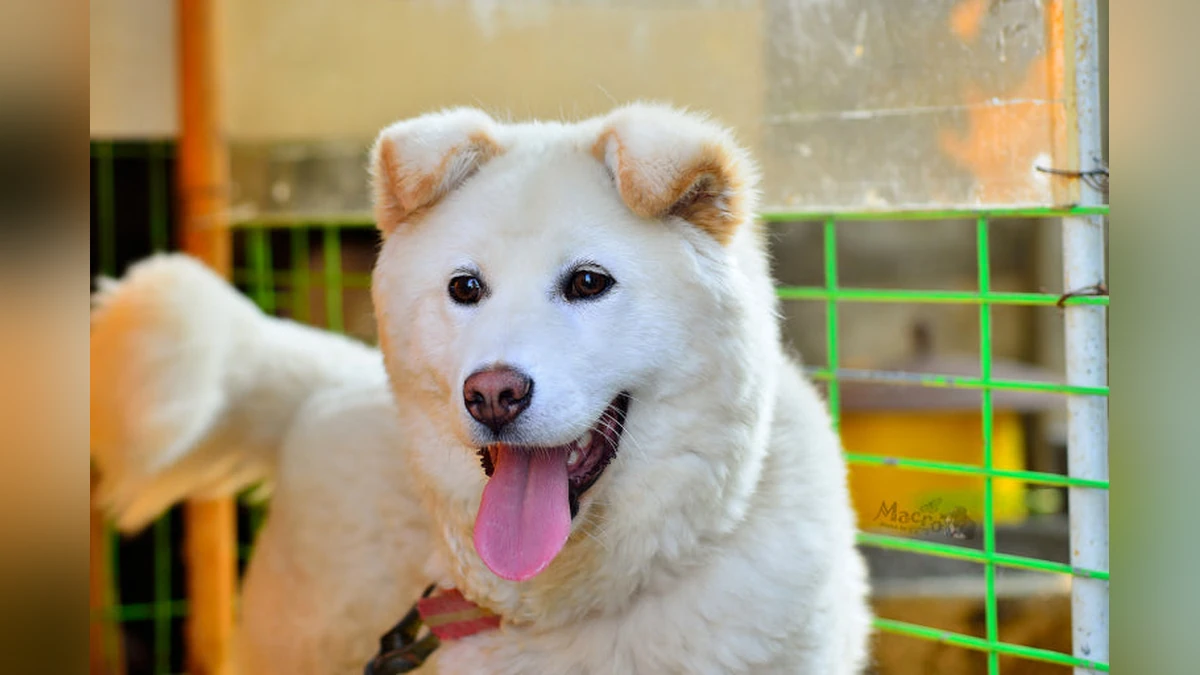
The Pungsan is a large, muscular, white-coated dog built for endurance and strength. Most Pungsan dogs have a pure or near-pure white double coat — dense, thick, and weather-resistant — which provided camouflage in the snowy mountain terrain of their homeland. The coat is shorter and less fluffy than the Sapsali’s, designed more for function than for appearance.
The Pungsan is bigger and more powerfully built than the Jindo, with a broader head, a deeper chest, and a more substantial bone structure overall. The tail is full and curves upward or over the back. The eyes have an intense, focused quality that reflects the breed’s working heritage — this is a dog that was built to mean business.
Temperament and Personality
The Pungsan is not a dog for inexperienced owners, and those who know the breed well will tell you this directly. It is courageous to a degree that can border on reckless — a trait that served it well when facing bears in mountain forests, but requires careful management in domestic settings.
It is loyal and affectionate with its family, forming deep bonds with the people it trusts. But it has a strong prey drive, high energy levels, and an independence of spirit that demands an owner who is both physically capable of managing a large, powerful dog and experienced enough to earn the animal’s respect. The Pungsan does not respond well to harsh or domineering training methods — it requires a calm, confident, and consistent handler.
With proper training, exercise, and socialization, the Pungsan can be a deeply rewarding companion. Its courage, loyalty, and intelligence are genuine and impressive. But it is emphatically not a casual pet or a breed suited to apartment living. It needs space, activity, and purpose.
The Pungsan in Modern Korea
Given the political division of the Korean peninsula, the Pungsan occupies a particularly poignant place in Korean consciousness. It is a dog from a land that most South Koreans can no longer visit, a tangible connection to a shared heritage that has been geographically severed. The dogs gifted at inter-Korean summits have consistently been Pungsan dogs — a choice that is deliberate and symbolically significant on both sides.
Comparing the Three Korean Native Dog Breeds
Understanding the differences between these three breeds makes it easier to appreciate what each brings to the table:
The Jindo is the most widely known, the most commonly owned in South Korea, and the most studied internationally. It is medium-sized, independent, fiercely loyal, and deeply intelligent. Best suited to experienced owners who can earn its trust.

The Sapsali is the most visually distinctive, the gentlest in temperament, and the most socially adaptable. It is the most family-friendly of the three and gets along well with children and other pets. Its long coat requires dedicated grooming.
The Pungsan is the largest and most physically powerful, with the strongest working instincts. It is the rarest of the three in South Korea, demands the most from its owner in terms of experience and resources, and carries the most geopolitically complex heritage.
All three are loyal, intelligent, deeply bonded to their families, and capable of great devotion when in the right hands. What they share is perhaps more meaningful than what separates them: they are all dogs that were shaped by the Korean peninsula over centuries, and they each carry that history in every aspect of who they are.
Cultural and Legal Protection of Korean Dog Breeds
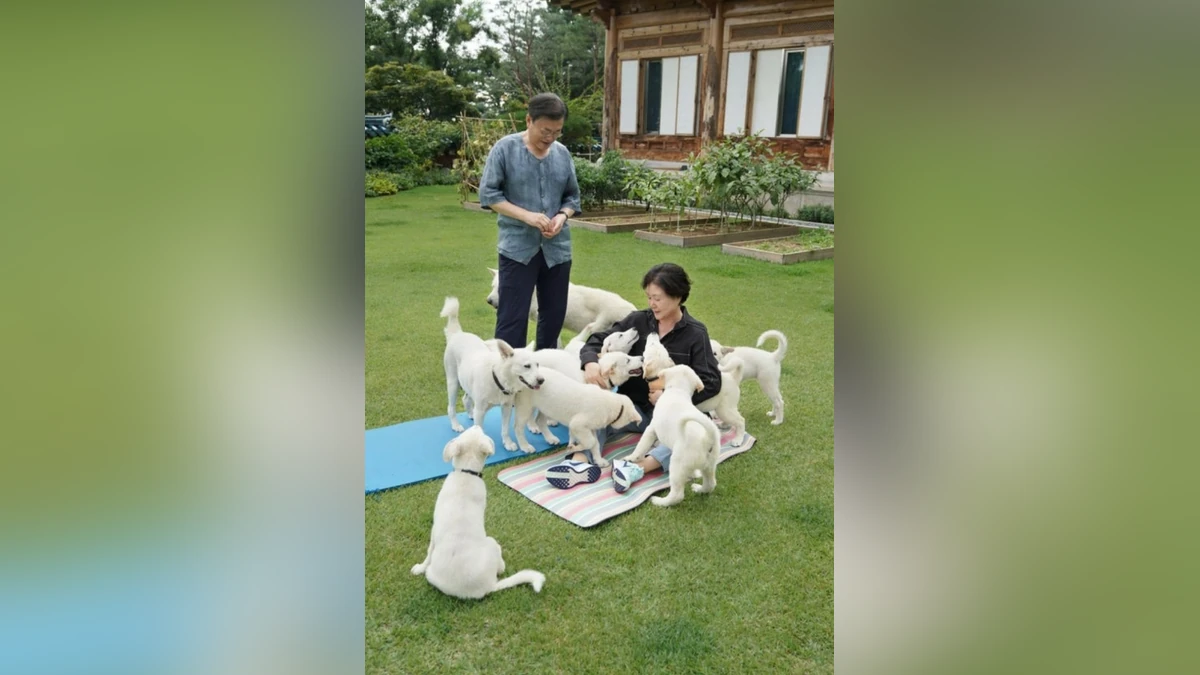
The designation of these breeds as Natural Monuments is not a symbolic gesture — it carries real legal weight. Under South Korean law, Jindo dogs in particular are subject to strict export controls. Taking a purebred Jindo out of Jindo Island or out of the country requires government approval, and breeding is regulated to preserve genetic integrity.
The Korea Jindo Dog Research Institute, based on Jindo Island, conducts ongoing research, maintains breeding records, and works to educate the public about the breed’s significance. Similar preservation efforts exist for the Sapsali through Kyungpook National University, where the original recovery program began.
These protections reflect a broader national understanding that losing these breeds would mean losing something irreplaceable — not just a type of dog, but a living piece of Korean cultural identity.
Can You Own a Korean Native Dog Outside Korea?
The short answer is: with some effort, yes — but it depends on the breed.

Jindo: Purebred Jindos can be found outside Korea, particularly in the United States where a small but dedicated community of breeders and enthusiasts exists. However, export of purebred Jindos from Jindo Island is legally restricted, and truly purebred specimens outside Korea are not common. Those interested should research reputable breeders carefully and be prepared for the breed’s demands.
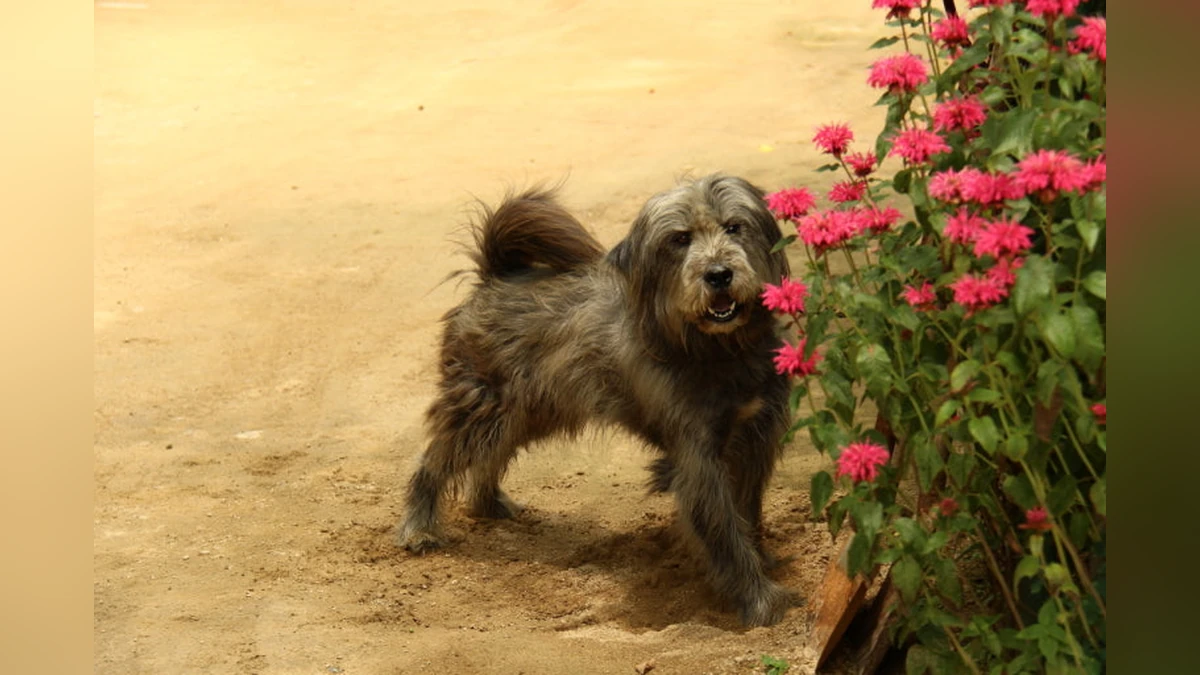
Sapsali: The Sapsali is rarer outside Korea than the Jindo. The breed’s recovery from near-extinction means population numbers are still carefully managed. Interest from international owners is growing, but finding a reputable breeder outside the country requires diligence.
Pungsan: The Pungsan is the most difficult of the three to find outside Korea. Its origins in North Korea, the rarity of the breed even within South Korea, and the limited breeding population make international ownership very uncommon. It exists, but it requires exceptional commitment to locate a legitimate source.
Tips for Caring for a Korean Native Dog Breed
If you are fortunate enough to own or interact with one of these breeds, here are some key care considerations to keep in mind:
Respect their independence. All three Korean native dog breeds have strong, self-directed personalities. Forcing compliance through harsh methods will damage trust and produce a resentful, unreliable dog. Build relationship first. Commands follow from there.
Prioritize socialization from puppyhood. These breeds can become territorial or reactive without adequate early exposure to people, animals, and environments. Start socialization early, keep it positive, and maintain it consistently throughout their lives.
Provide adequate exercise. Particularly for the Pungsan and the Jindo, pent-up energy leads to destructive or difficult behavior. Daily vigorous exercise is not optional — it’s a fundamental requirement.
Grooming for the Sapsali is a serious commitment. The long, flowing coat needs regular brushing — ideally several times a week — to prevent painful matting. Professional grooming every few months is also advisable. This is not a low-maintenance coat.
Understand their loyalty. The deep bond these dogs form with their people is one of their greatest qualities, but it also means they can suffer genuinely when separated from their family for extended periods. These are not dogs to be left alone for long hours on a regular basis.
Learn about breed-specific nutrition and health. Korean native dog breeds have developed on diets historically lower in fat and richer in grains and vegetables than Western dog diets. Consulting with a veterinarian familiar with the breed about appropriate nutrition is worthwhile.
Final Thoughts
The Jindo, the Sapsali, and the Pungsan are more than just Korean native dog breeds with interesting histories. They are characters — each one fully formed, each with its own story, its own strengths, and its own particular way of attaching itself to the people it loves.
Korea has preserved these dogs not out of nostalgia but out of genuine recognition that some things are worth protecting because of what they represent. A Jindo finding its way home across 300 kilometers. A Sapsali standing vigil in a household for centuries. A Pungsan facing down a bear in the northern mountains. These are not myths — they are the accumulated truth of what these animals are capable of.
If you ever have the chance to spend time with one of these dogs, take it. The experience has a way of staying with you, in the same quiet, persistent way that a good dog always does.