Korea Mandatory Military Service: Why Most Korean Men Serve in the Army
Korea Mandatory Military Service: Why Most Korean Men Serve in the Army
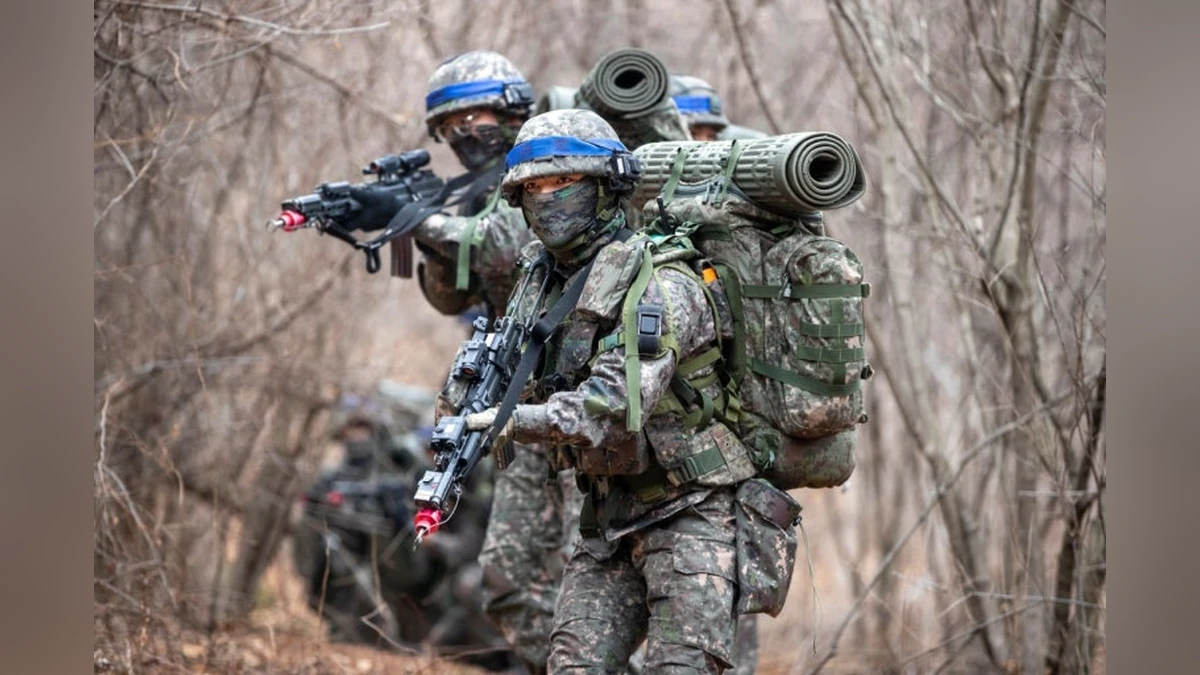
If you’ve spent any time learning about South Korea — its culture, its workplace dynamics, its social expectations — you’ve almost certainly encountered the subject of military service. Nearly every Korean man you meet has served, is currently serving, or is scheduled to serve in the military at some point before his late twenties. This isn’t coincidence, and it isn’t tradition for tradition’s sake. Korea mandatory military service is a legal obligation, a deeply embedded social institution, and one of the most defining shared experiences in Korean male life.
But why? Why does one of Asia’s most technologically advanced democracies still require its male citizens to spend roughly two years in uniform? The answer involves history, geopolitics, national identity, and a division that has never officially ended. This guide unpacks all of it.
Table of Contents
- The Core Reason: A War That Never Officially Ended
- The Legal Framework Behind Korea Mandatory Military Service
- How the System Actually Works: Age, Duration, and Branches
- Exemptions, Delays, and Alternatives
- The Famous Exemption Debate: Athletes, Artists, and K-Pop Stars
- What Happens During Military Service in Korea
- How Military Service Shapes Korean Society
- The Ongoing Debate: Should Korea End Conscription?
- What Foreign Residents and Overseas Koreans Need to Know
- Final Thoughts
The Core Reason: A War That Never Officially Ended
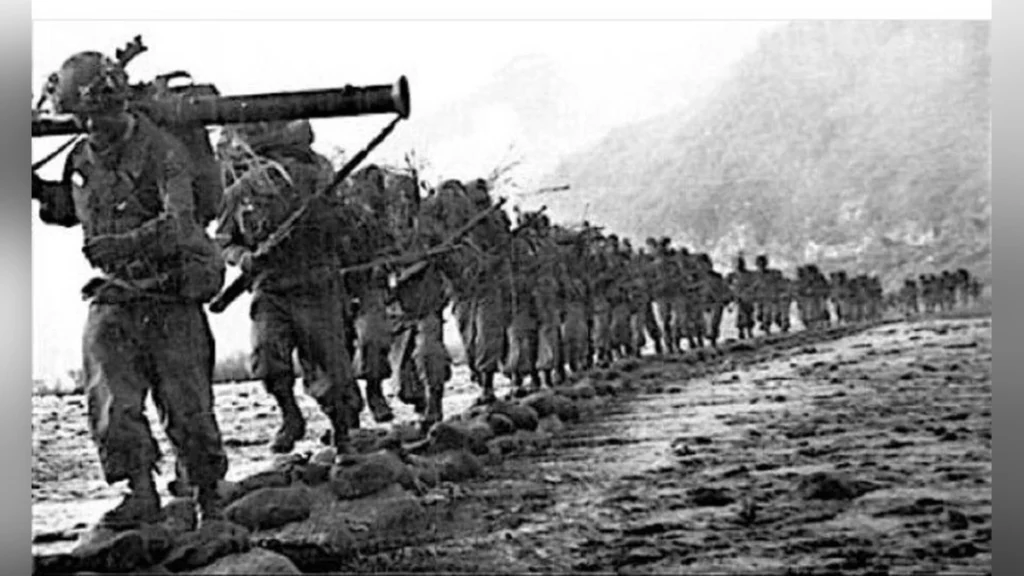
To understand Korea mandatory military service, you have to start with a fact that surprises many people outside the region: the Korean War, which began in June 1950, has never officially ended.
What stopped the fighting in July 1953 was an armistice — a ceasefire agreement — not a peace treaty. North Korea and South Korea remain, in the most precise legal sense, still at war. The Demilitarized Zone (DMZ) that runs along the 38th parallel is not a permanent international border recognized by both sides in a peace agreement. It is a line where two opposing forces agreed, for the time being, to stop shooting.
That distinction matters enormously when explaining why South Korea maintains one of the largest standing militaries in the world, and why Korea mandatory military service exists at all. The threat from North Korea is not abstract or historical. It is present, ongoing, and backed by one of the world’s largest armies — estimated at over one million active-duty troops — as well as nuclear weapons, ballistic missiles, and a government that has never formally renounced its stated goal of reunifying the peninsula under its own terms.
South Korea’s response to that reality is a military that needs bodies, consistently, every year. Conscription is the mechanism that delivers them.
The Legal Framework Behind Korea Mandatory Military Service
Korea mandatory military service is not simply a policy that could be changed with a new administration. It is written into the South Korean Constitution itself.
Article 39 of the Constitution of the Republic of Korea states that all citizens have the duty to defend the nation as prescribed by law. The specific legislation that governs how this duty is carried out is the Military Service Act (병역법, Byongyeokbeop), first enacted in 1949 — one year before the Korean War even began.
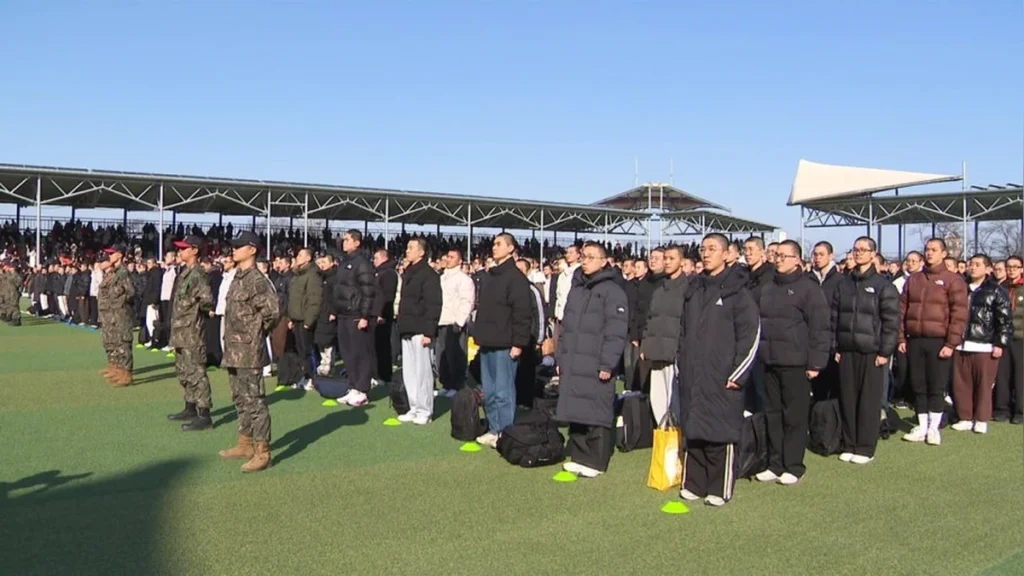
Under this framework, all male South Korean citizens are required to register for military service at the age of 18. The obligation to actually serve must be fulfilled by the age of 28 in most circumstances, though deferments exist for education and other qualifying reasons that push this deadline somewhat.
Failure to fulfill the military service obligation is a criminal offense in South Korea. Men who avoid service without a legally recognized exemption or deferment can face imprisonment of up to three years. This is not a rarely enforced technicality — cases of evasion, particularly among the wealthy or well-connected, have historically drawn intense public scrutiny and legal consequences.
The constitutional weight of this obligation also means that reforming or abolishing conscription is not a simple legislative matter. Any fundamental change to the system would require either a constitutional amendment or a dramatically altered security environment — neither of which appears imminent.
How the System Actually Works: Age, Duration, and Branches
Understanding Korea mandatory military service in practice means knowing how the system is structured day-to-day.
Registration and Physical Examination
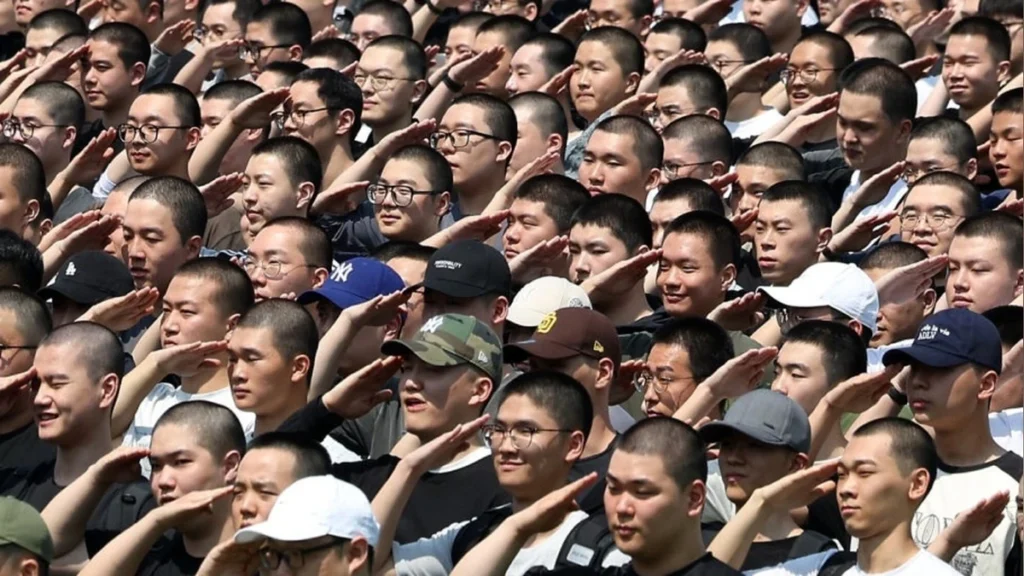
All Korean men receive a notice to appear for a physical and psychological evaluation — called a 징병검사 (jingbyeong geomsa) — typically around age 18 or 19. This examination assigns each man a physical fitness grade from 1 to 7, which determines what kind of service he is eligible or required to perform.
Grades 1 through 3 typically result in assignment to active duty military service. Grade 4 may result in social service work rather than active military duty. Grades 5 and 6 lead to exemption from most service requirements due to medical conditions. Grade 7 is a complete exemption.
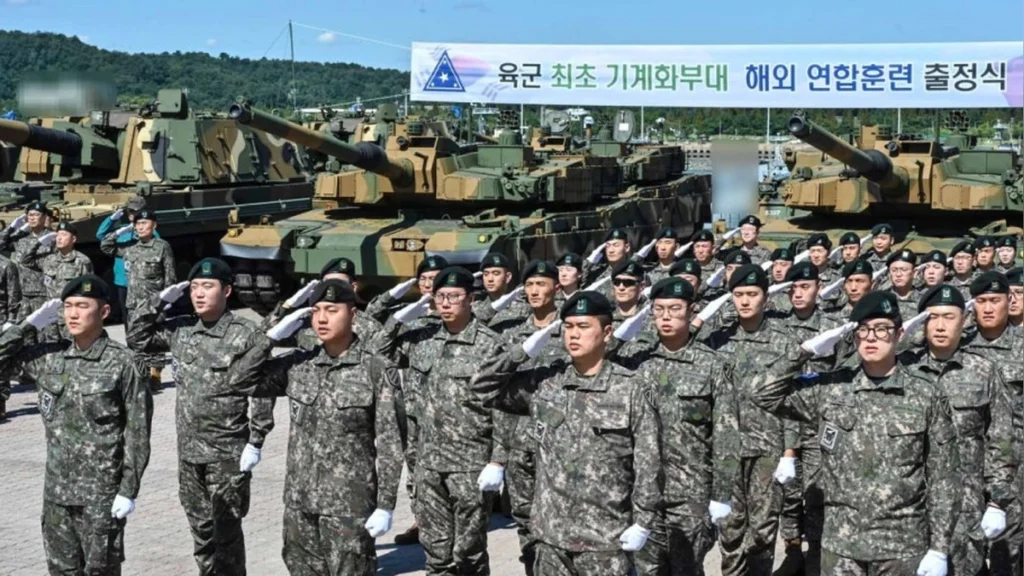
Service Duration by Branch
The required length of service varies by branch:
- Army: approximately 18 months (reduced from 21 months in recent years)
- Navy: approximately 20 months
- Air Force: approximately 21 months
- Marine Corps: approximately 18 months
- Social service worker (사회복무요원): approximately 21 months, working in public institutions
These durations have been gradually shortened over the past two decades as the government has tried to balance national security needs with the economic and educational impact of pulling young men out of civilian life for extended periods.
Assignment
After passing the physical examination and completing any approved deferments, recruits report to a training center for basic training — typically five weeks of physical conditioning, weapons training, and military discipline. After basic training, they are assigned to a specific unit based on their test scores, physical grade, language skills, and available positions.
Exemptions, Delays, and Alternatives
Korea mandatory military service is not entirely without flexibility. The system includes several recognized categories of exemption, deferment, and alternative service.
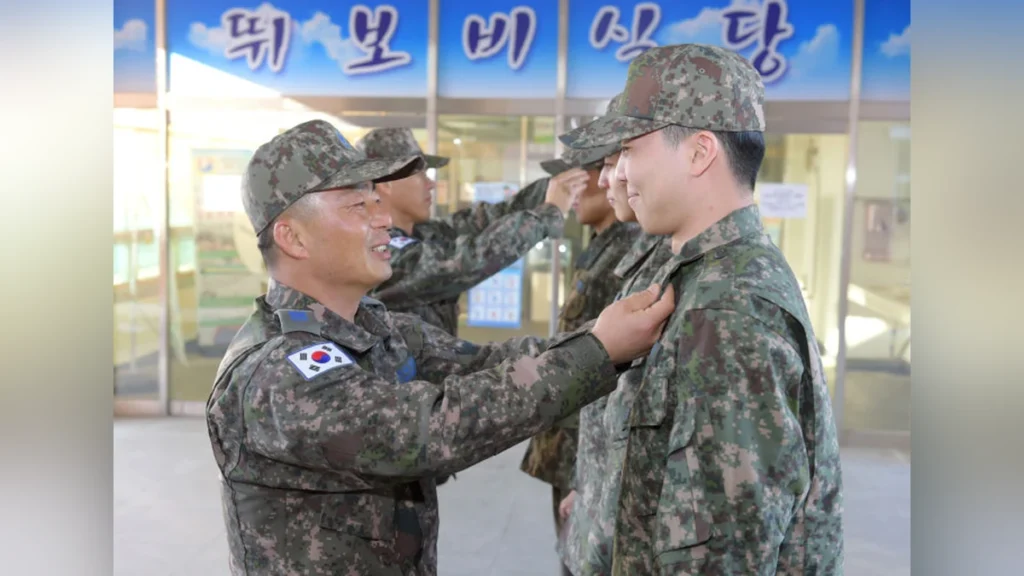
Educational Deferment
University students can defer their service obligation until after graduation, allowing them to complete a four-year degree before enlisting. This is by far the most commonly used deferment and explains why many Korean men enlist in their early-to-mid twenties rather than immediately at 18 or 19. Graduate students may be able to defer further under certain research-related programs.
Alternative Social Service
Men assigned a physical grade of 4 — meaning they are judged unfit for active military duty but capable of physical work — are typically directed into social service roles. These include working at government offices, public health centers, welfare facilities, and similar institutions. The duration is slightly longer than active military service to account for the reduced physical demand.
Industrial Technical Personnel
Men with specialized technical or research skills may be assigned to serve their military obligation while working at designated companies or research institutions considered vital to national industry and defense. This category, known as 산업기능요원 (industrial technical personnel), allows highly skilled workers to contribute to the country in their area of expertise while technically fulfilling their service duty.
Conscientious Objection
For decades, South Korea had no legal provision for conscientious objection to military service. Men who refused service on religious or moral grounds — most prominently Jehovah’s Witnesses — were routinely imprisoned. South Korea’s courts and prison system processed hundreds of such cases every year for the better part of seventy years.
In 2018, the Constitutional Court of Korea ruled that the absence of an alternative service option for conscientious objectors was unconstitutional. Following that ruling, a civilian alternative service program was established, allowing recognized conscientious objectors to fulfill their obligation through thirty-six months of civilian service — significantly longer than standard military service, a deliberate deterrent against frivolous claims.
The Famous Exemption Debate: Athletes, Artists, and K-Pop Stars
No discussion of Korea mandatory military service is complete without addressing the ongoing and often heated public debate about who gets exempted — and why.
South Korean law includes a provision for exempting individuals who bring exceptional distinction to the nation in international competition. Athletes who win gold medals at the Olympics or finish in the top three at the Asian Games, for instance, receive a special exemption. Classical musicians who win top prizes at major international competitions have historically qualified as well.
This provision has generated enormous public debate, particularly as South Korea’s cultural influence has grown globally. The question that surfaces most often — and most passionately — is whether members of globally successful K-pop groups should be eligible for cultural achievement exemptions.
The cases of BTS members drew intense national attention. As the group’s members approached draft age one by one, the question of whether their contribution to Korean soft power, tourism, and cultural export revenue was equivalent in national value to an Olympic gold medal became a genuine legislative debate in the National Assembly. The outcome, reached over several years of discussion, was a compromise: BTS members were permitted to delay their service until age 30, a deferment available to a small number of exceptionally recognized popular artists — but not a full exemption. Members began enlisting from late 2022, with most of the group expected to complete their service by the late 2020s.
The debate reflects a genuine tension in Korean society between the principle of universal service — the idea that military duty is a shared burden that defines equality among men — and the recognition that certain individuals generate national value through non-military means that is difficult to quantify but real.
What Happens During Military Service in Korea
Life inside the South Korean military is a significant departure from civilian life by almost any measure, and it is worth understanding what Korean men actually experience during their service.
Basic Training
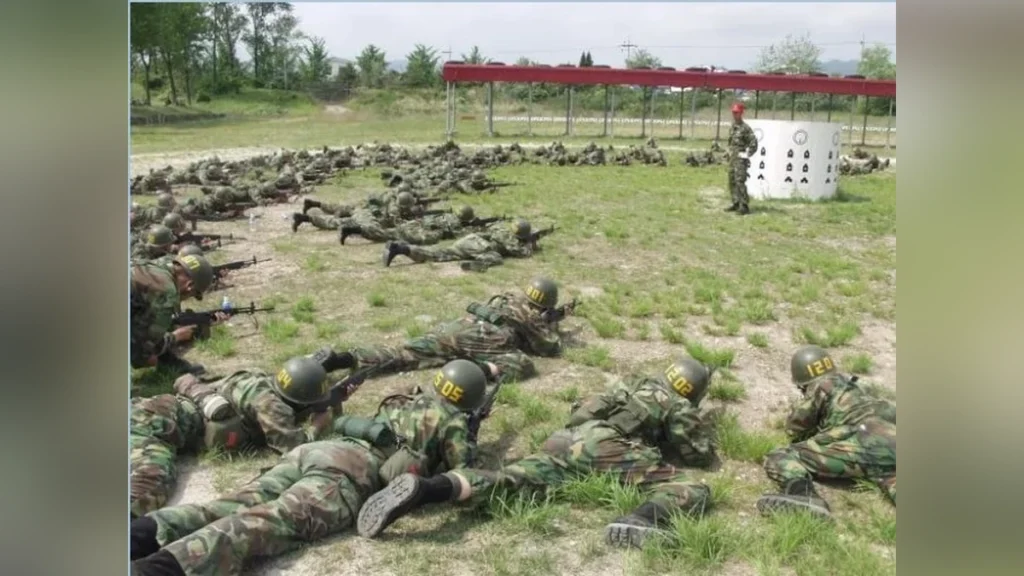
The first several weeks involve intensive physical conditioning, weapons qualification, military protocol, and discipline. Recruits sleep in barracks, follow strict schedules, and have sharply limited contact with the outside world. For many young men entering straight from university or civilian life, the transition is genuinely jarring.
Daily Life in a Unit
After basic training, the pace of daily life varies significantly depending on the unit and posting. Front-line units near the DMZ operate with a heightened state of readiness. Rear-support and administrative units have routines that are more predictable and less physically demanding. Rank advancement happens on a fixed schedule, and by the end of service, most men have reached the rank of corporal or sergeant.
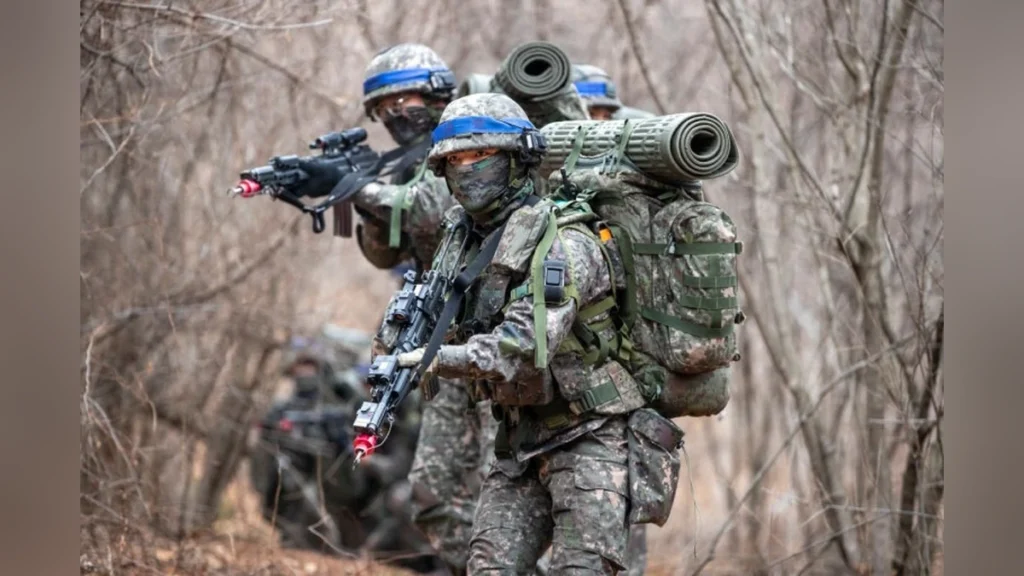
Smartphones have been permitted inside military bases since 2019, a significant quality-of-life change that has somewhat reduced the sense of total isolation that older generations experienced. Soldiers are generally allowed to use phones during designated off-duty hours, which has meaningfully changed how military service feels compared to even a decade ago.
Leave and Contact with Family
Korean soldiers receive periodic leave throughout their service — typically a few days at a time — though the frequency and length depend on the unit and individual performance record. Families remain in regular contact through phone calls and visits on designated days.
The Social Bonds Formed
One aspect of military service that Korean men consistently describe as meaningful is the relationships formed. The shared hardship of service creates bonds that often last decades. Military friendships — forged under pressure, away from the comforts of civilian life — carry a particular weight in Korean male social culture that is difficult to replicate elsewhere.
How Military Service Shapes Korean Society
The effects of Korea mandatory military service extend far beyond the military itself. They permeate Korean workplaces, social hierarchies, personal relationships, and cultural norms in ways that are visible to anyone who spends time in the country.
The Age and Rank Culture
Korean society already has a deeply ingrained culture of age-based hierarchy, rooted in Confucian tradition. Military service intensifies this for men by adding a layer of shared temporal reference. When Korean men meet, the question of whether someone has completed their service — and when — often surfaces naturally. It establishes a kind of common timeline that shapes social dynamics and expectations.
The Career and Education Gap
The approximately two years spent in military service creates a gap in education and career development that men must navigate upon return. Korean universities are well accustomed to students who pause their studies to serve and return to complete their degrees. Many workplaces also account for this gap in hiring and promotion timelines. But the gap is real, and for men competing in a high-pressure academic and professional environment, returning to civilian life and catching up requires genuine effort and adjustment.
The Gender Dimension
Korea mandatory military service applies exclusively to men, and this creates an ongoing social and political conversation about gender equity that shows no sign of diminishing. Some argue that the two-year service period disadvantages men in competitive job markets relative to women of the same age who can pursue education and career advancement without interruption. Others argue that the burden of potentially dangerous military service is itself a form of inequity that the broader conversation often overlooks. This tension is a live and contested issue in Korean public discourse, particularly among younger generations.
Shared National Identity
At the same time, military service functions as one of the few genuinely universal shared experiences in Korean male life. Regardless of wealth, education, family background, or regional origin, the vast majority of Korean men pass through the same basic institutional experience. That shared reference point creates a form of social cohesion and common ground that operates across class lines in a way few other institutions manage.
The Ongoing Debate: Should Korea End Conscription?
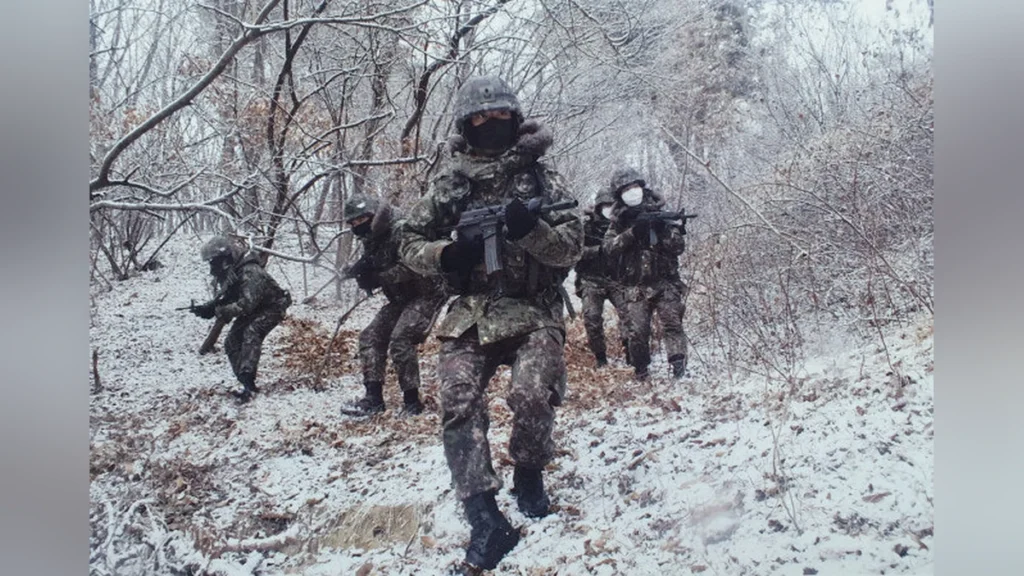
As South Korea has grown into one of the world’s most advanced economies, and as its professional military capabilities have developed significantly, the question of whether universal conscription remains the best approach to national defense has become more openly discussed.
Arguments for maintaining conscription center on the North Korean threat — unchanged in its fundamental nature since 1953 — and the sheer numerical reality that a professional volunteer military of comparable size to the current conscript army would be extraordinarily expensive to maintain. South Korea’s current military includes approximately 500,000 active-duty personnel. Recruiting and retaining that number on a voluntary basis would require dramatically higher salaries and benefits than the minimal stipends currently paid to conscripts.
Arguments for reform or transition to a professional military emphasize the economic cost of removing hundreds of thousands of young men from the workforce and educational pipeline each year, the demographic challenges posed by South Korea’s extremely low birth rate — which will reduce the pool of draft-eligible men significantly in coming decades — and the question of whether a smaller but better-trained and better-equipped professional force might serve deterrence goals as effectively as a larger conscript army.
No serious political movement currently advocates for abolishing Korea mandatory military service entirely, given the unchanged security environment. But the conversation about reforming its duration, structure, and terms is active and ongoing.
What Foreign Residents and Overseas Koreans Need to Know
Korea mandatory military service applies not only to men living in South Korea but also, under certain conditions, to Korean citizens living abroad.
Men born with South Korean citizenship — including dual nationals — are subject to the Military Service Act. Dual citizens who hold both Korean and foreign nationality can voluntarily renounce their Korean citizenship before the age of 18 to avoid the obligation. After that age, the window for renunciation narrows significantly, and men who remain Korean citizens must fulfill their service requirement or face complications when traveling to or living in Korea.
For men who were born abroad to Korean parents but hold Korean citizenship, the rules can be complex and depend on factors including when they registered their Korean nationality and how long they have lived outside the country. The specifics are handled by the Military Manpower Administration (병무청), which is the government body responsible for administering service obligations and processing all exemption, deferment, and alternative service cases.
Foreign nationals who are not Korean citizens are not subject to the Military Service Act, regardless of how long they have lived in Korea or whether they hold permanent residency.
Final Thoughts
Korea mandatory military service is not simply a policy quirk or a remnant of a less developed era. It exists because the Korean peninsula remains, in the most literal legal sense, in a state of unresolved conflict — and because the government and people of South Korea have consistently judged that the security environment demands a large standing military that conscription alone can sustain at the required scale.
For the Korean men who go through it, service is rarely described in simple terms. It is hard, often tedious, sometimes genuinely meaningful, occasionally formative, and almost universally shared. It interrupts life in ways that take adjustment to recover from, and it creates bonds and reference points that last far longer than the service itself.
Understanding why Korea mandatory military service exists — and what it actually means to the people who live under its requirements — is one of the more important keys to understanding modern Korean society as a whole. It touches education, career, gender dynamics, national identity, and the lingering shadow of a conflict that most of the world has long since stopped thinking about, but that the Korean peninsula has never had the luxury of forgetting.