Free Water at Korean Restaurants: What Every First-Time Visitor Should Know
Free Water at Korean Restaurants: What Every First-Time Visitor Should Know
The moment you sit down at almost any restaurant in Korea, something happens that surprises a lot of first-time visitors — especially those coming from countries where a glass of water requires a server, a menu, and occasionally a small charge. In Korea, water is simply there. On the table, at a self-serve station nearby, or brought over automatically without a word. No asking. No waiting. No bill.
Free water at Korean restaurants is not a promotional offer or a special courtesy extended to certain customers. It is simply how things work — a baseline expectation so deeply embedded in Korean dining culture that most Koreans have never once thought about it as something unusual. But for visitors, it is one of those small details that immediately says something real about the culture behind it.
This guide covers everything you need to know about water at Korean restaurants — what kind you’ll find, how to get it, why it’s always free, and a few things that will make your dining experience noticeably smoother from the very first sip.
Table of Contents
- Water Is Always Free — and That’s the Baseline
- The Self-Serve Water Station: How It Works
- Barley Tea Instead of Water: Korea’s Beloved Alternative
- Cold Water vs. Warm Water: What to Expect by Season
- The Water Cup You’ll Find Everywhere
- Why Free Water at Korean Restaurants Makes Perfect Sense
- How Water Culture Connects to Korean Dining as a Whole
- Practical Tips for Navigating Water at Korean Restaurants
- Final Thoughts
Water Is Always Free — and That’s the Baseline
In many parts of the world, ordering water at a restaurant is a decision. Do you want still or sparkling? Small or large? Would you like bottled water? The question comes with implications — sometimes a price, sometimes a judgment, sometimes a server waiting for your answer before they move on.
In Korea, none of that exists. Free water at Korean restaurants is not a category of water — it is the only category. Whether you are eating at a tiny neighborhood 김밥 (gimbap) shop, a packed galbi barbecue restaurant, a trendy Seoul brunch spot, or a traditional Korean cuisine restaurant with a long menu and careful table settings — the water is free. Always. Without exception.
This applies to cold water, warm water, and barley tea, which functions as a water substitute at many Korean restaurants. All of it comes at no charge, in unlimited quantities, for the entire duration of your meal. You can refill as many times as you want without anyone taking note, without it appearing on your bill, and without any expectation of a tip or acknowledgment in return.
For visitors from countries where bottled water is standard restaurant practice, this can feel almost disorienting in the best possible way. You sit down, the water is there, and the only thing left to do is drink it.
The Self-Serve Water Station: How It Works
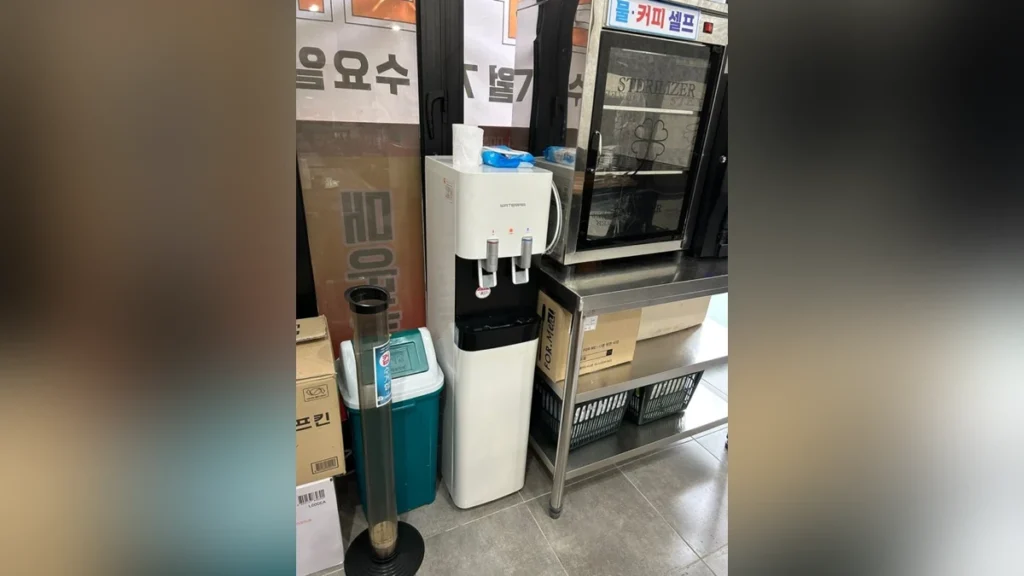
One of the most practical and quietly brilliant aspects of free water at Korean restaurants is how it is typically dispensed — not by a server, but by the diner themselves, at a self-serve water station built into the restaurant’s layout.
Walk into almost any Korean restaurant and you will find a 정수기 (jeongsuki) — a water purifier or dispenser — somewhere accessible to diners. It might be near the entrance, along a wall beside the tables, or in a dedicated corner of the restaurant. These machines dispense cold water, room temperature water, or both, with simple buttons or levers that are intuitive to use even if you can’t read the Korean labels. Cold is almost always blue. Hot or warm is almost always red.
Next to the dispenser, there will be a stack of cups — usually small, clear plastic or paper cups — that diners take freely as needed. You fill your own cup, bring it back to your table, drink it, and return to refill whenever you like. There is no ceremony involved and no need to make eye contact with a server.
This system is beautifully efficient. It removes a significant amount of routine back-and-forth from the server’s responsibilities, keeps the dining pace in the diner’s control, and ensures that no one ever has to wait for water during a meal. In a country where restaurant service tends to move at a fast and practical pace, the self-serve water station fits perfectly into the overall rhythm of Korean dining.
A few things worth knowing about the dispenser:
The cups are small by design. Korean water cups at restaurant dispensers are typically quite small — sometimes just a few sips worth. This is not stinginess. It is simply the norm, and the expectation is that you will refill frequently. Think of it less like a glass of water and more like a continuous, self-managed hydration system throughout your meal.
Some restaurants use pitchers instead. In more traditional or sit-down style restaurants, particularly those with table service, a pitcher of water or barley tea may already be on the table when you arrive, or brought out at the start of the meal. In this case, self-refilling from the pitcher is completely acceptable and expected.
Hot water is also available at some dispensers. Particularly in cooler months, some restaurant water stations offer hot water as well — useful for rinsing small dishes, making instant teas, or simply warming up between bites of a cold dish.
Barley Tea Instead of Water: Korea’s Beloved Alternative
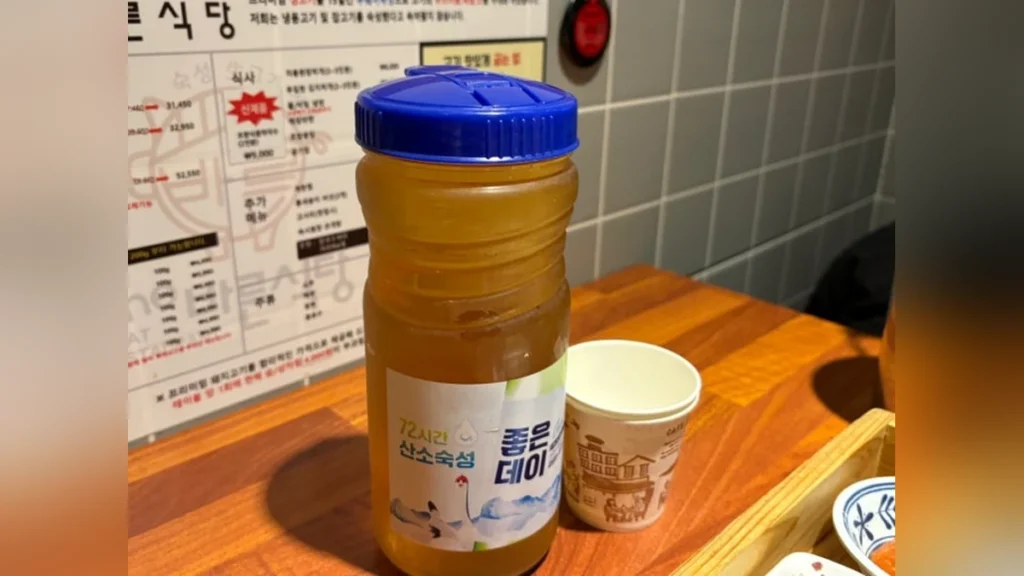
At many Korean restaurants — particularly traditional Korean cuisine restaurants, Korean BBQ spots, and older neighborhood eateries — what arrives at your table is not plain water at all. It is a warm, pale golden liquid with a mild, slightly nutty, gently toasted flavor. This is 보리차 (borича) — barley tea — and it is one of the most beloved daily beverages in Korean food culture.
Barley tea is made by steeping roasted barley grains in hot water, producing a drink that is caffeine-free, naturally subtle in flavor, and deeply comforting in a way that is hard to pin down until you’ve had a few cups of it. It is not sweet. It is not savory. It sits in a gentle, warm middle ground that pairs naturally with virtually any Korean food and feels especially right alongside rich, spicy, or strongly flavored dishes.
At restaurants that serve barley tea, it functions exactly as water does — freely available, constantly refillable, and served at no charge. It comes warm in winter and cold or room temperature in summer, often in small cups that encourage frequent refilling. Many Koreans drink it habitually at home as well, keeping a large pitcher of it in the refrigerator the same way other households might keep a filter jug of water.
For first-time visitors, barley tea can be an unexpected and genuinely pleasant surprise. It is mild enough that almost anyone enjoys it, distinctive enough to feel like a genuine taste of Korean daily life, and practical enough that it genuinely works as a meal-time drink in the way water does.
If you arrive at a Korean restaurant and find a warm golden drink waiting for you instead of water — try it before reaching for plain water. There is a very good chance you will find yourself reaching for more.
Cold Water vs. Warm Water: What to Expect by Season
One of the more noticeable patterns in Korean restaurant water culture is the seasonal variation in how water is served. This is not a rigid rule, and every restaurant handles it differently, but there are general tendencies worth knowing.
In Summer
During Korea’s hot and humid summer months — roughly June through August — cold water is essentially universal at Korean restaurants. Dispensers run cold, pitchers are chilled, and barley tea is often served over ice or at refrigerator temperature. Walking into a restaurant on a sweltering summer afternoon and being greeted by a cold cup of barley tea or ice water is one of those small but genuine pleasures of the season.
In Winter and Cooler Months
As the temperature drops, Korean restaurant water culture tilts noticeably toward the warm. Many restaurants switch their dispensers to room temperature or warm settings during autumn and winter. Barley tea is served hot rather than chilled. The shift reflects a broader Korean cultural instinct — rooted partly in traditional health beliefs — that cold beverages are hard on the digestive system, particularly during meals and in cold weather.
This can occasionally surprise visitors who are accustomed to cold water being the default year-round. If you sit down in January and your water is warm, this is not an error. It is intentional, and it is actually worth going with — hot barley tea alongside a steaming bowl of Korean stew on a cold day is a combination that makes a lot of sense once you experience it.
If you genuinely prefer cold water in winter, most restaurants will accommodate you if you ask. But letting the restaurant’s seasonal default guide your experience is its own kind of pleasure.
The Water Cup You’ll Find Everywhere
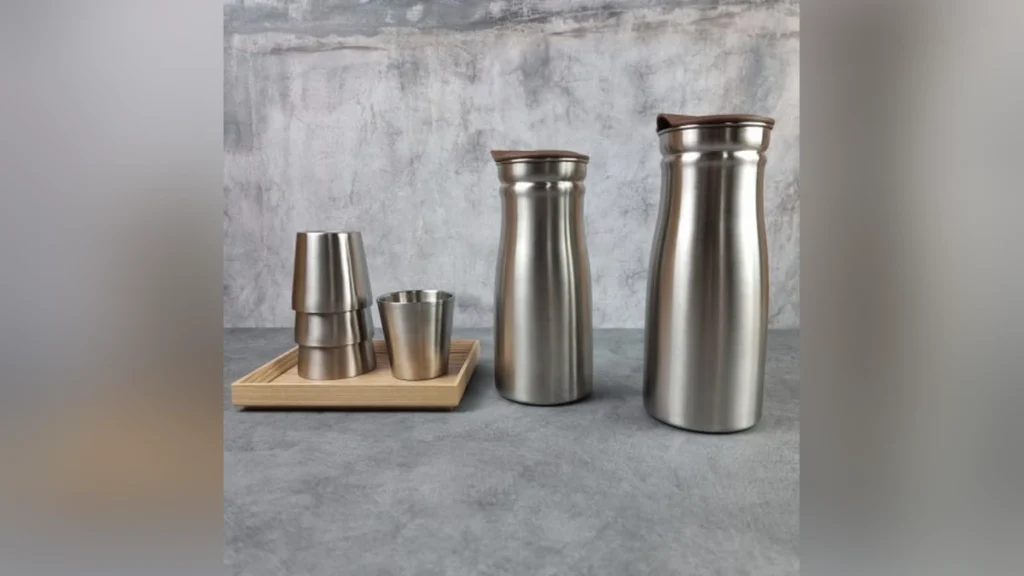
There is a specific type of cup that is so universally associated with free water at Korean restaurants that it has become a quietly iconic part of the dining landscape. It is small — typically holding around 150 to 200 milliliters — either clear plastic or plain white paper, and stacked in a neat column beside the water dispenser.
These cups are humble objects. They cost almost nothing, they are not designed to impress, and they serve a single practical purpose with complete competence. Yet somehow they have become one of those background details of Korean restaurant life that people notice once they’ve seen them often enough and find oddly charming — a symbol of the practical, no-ceremony approach to hydration that defines free water at Korean restaurants.
Some restaurants have moved toward more permanent small cups — ceramic or glass — that sit on the table and are refilled either by servers or by the diners themselves from a central dispenser or pitcher. These tend to appear in slightly more elevated dining settings, but the principle is identical: small, practical, frequently refilled.
The smallness of the cup is worth embracing rather than resisting. It is part of the rhythm of Korean dining — a rhythm that is active and engaged rather than passive. You get up, you refill, you sit back down. The meal continues. It takes ten seconds and it keeps you hydrated throughout a meal without ever making a production of it.
Why Free Water at Korean Restaurants Makes Perfect Sense
For visitors who come from dining cultures where water is a commodity — priced, rationed, or at least requiring a polite request — the unconditional availability of free water at Korean restaurants can feel almost too good to be true. But it is worth understanding why the system exists the way it does, because the logic behind it is both practical and culturally revealing.
Water Is Considered a Basic Right at the Table
In Korean dining culture, there is a deeply held understanding that certain things simply come with sitting down to eat — and water is one of them. The idea of charging for water, or making a diner ask repeatedly for refills, would strike most Koreans as a fundamental failure of hospitality. Restaurants exist to serve people, and serving people means ensuring they have the most basic things they need throughout their meal.
Korean Food Often Demands It
Korean cuisine is among the most flavorful and frequently spicy in the world. A typical Korean meal might include kimchi, gochujang-seasoned dishes, strong fermented pastes, and heavily seasoned side dishes all at once. In this context, access to plentiful water or barley tea is not a luxury — it is a functional necessity that allows diners to manage the intensity of the food, cleanse the palate between different dishes, and eat comfortably across a long, multi-dish meal.
The Culture of Communal Care
Korean dining culture is built around the idea that eating together is a communal act, and that part of the pleasure of a shared meal is ensuring everyone at the table is comfortable and cared for. Free, unlimited water is one expression of this ethos — small, practical, and easy to overlook, but present in every Korean restaurant as a quiet signal that your comfort here is assumed, not negotiated.
How Water Culture Connects to Korean Dining as a Whole
Understanding free water at Korean restaurants is actually a useful entry point into understanding Korean restaurant culture more broadly — because the same principles that govern the water experience show up across the entire dining experience.
Korean restaurants are built around accessibility and ease for the diner. Many have call buttons at the table so you never have to flag down a server. Side dishes — 반찬 (banchan) — are refilled for free throughout the meal. Napkins, condiments, and utensils are available without asking. The entire system is designed to minimize friction between the diner and what they need, and to ensure that no one has to work hard to be comfortable during their meal.
Free water fits perfectly into this picture. It is one more element of a dining environment that takes the position that being served well should not require effort or money beyond what you’ve already committed to by sitting down and ordering food.
This philosophy is worth noticing, because once you see it, you notice it everywhere in Korean dining. The water dispenser in the corner. The side dish that reappears without being requested. The call button that summons help without a hunt across a crowded room. These are not accidents of design — they are expressions of a consistent set of values about what a good restaurant experience looks like.
Practical Tips for Navigating Water at Korean Restaurants
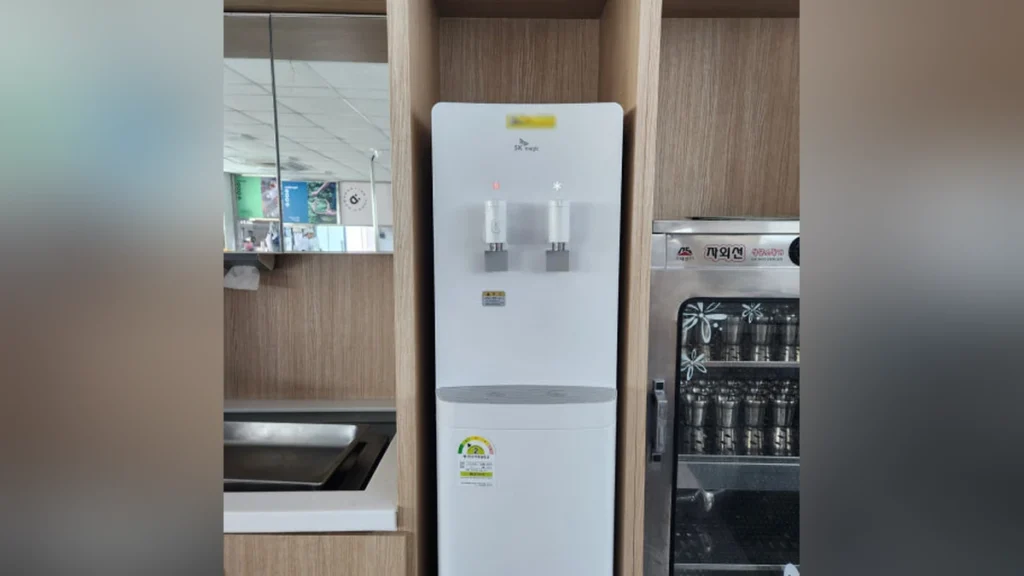
Here are a few simple, useful things to keep in mind the next time you eat at a Korean restaurant:
Look for the dispenser when you sit down. In most Korean restaurants, locating the water dispenser is one of the first things worth doing. It is usually visible from your table — scan the room briefly and you’ll find it. Knowing where it is means you never have to interrupt anyone or wait for a refill.
Embrace the small cup. Resist the instinct to wish for a larger glass. The small cup is the system — use it the way it’s intended, refill it often, and you’ll stay well-hydrated throughout the meal without ever thinking about it.
Try the barley tea warm before you judge it. If barley tea arrives warm and you’re used to cold water, give it a genuine chance before asking for cold water instead. A small, warm cup of boricha between bites of Korean food is something that grows on you quickly, and many visitors leave Korea having adopted it as a personal habit.
Don’t tip or thank the server specifically for water refills. In Korean restaurant culture, water — whether brought by a server or self-served from a dispenser — is completely routine and requires no special acknowledgment. A simple 감사합니다 (gamsahamnida, thank you) as part of general table courtesy is always appropriate, but treating water service as a special gesture to be rewarded with extra thanks can create a slightly awkward moment.
In traditional restaurants, check if a pitcher is already on the table. At many sit-down Korean restaurants, a pitcher of water or barley tea is placed on the table at the start of the meal. In this case, you do not need to visit the dispenser at all — simply pour from the pitcher as needed.
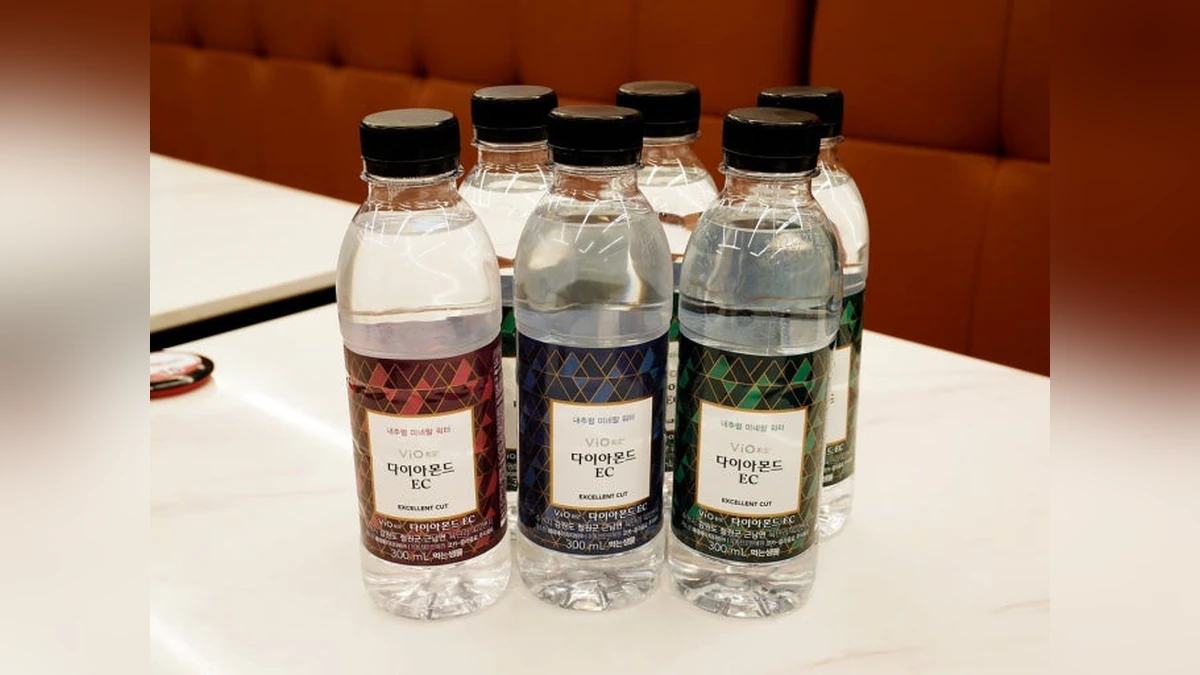
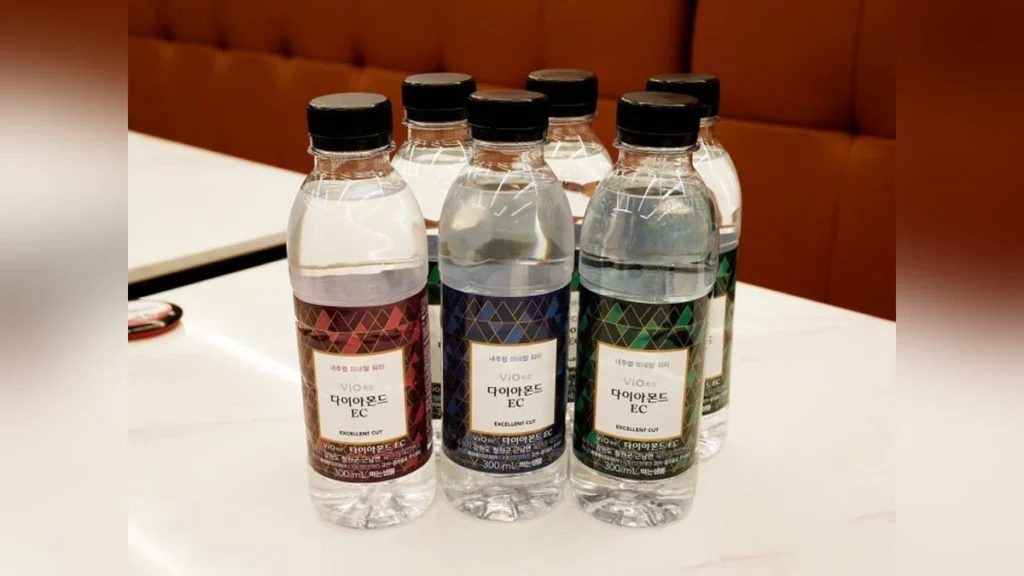
Bottled water is available if you prefer it. While free water at Korean restaurants is universal, bottled water is also sold at most Korean restaurants if you specifically want it. It is typically a small charge and usually optional. If you don’t want to pay for water, you will never have to — the free option is always there.
Final Thoughts
Free water at Korean restaurants is one of those details of Korean life that seems minor until you realize how consistently it reflects something larger. It is practical, it is generous, and it is completely unremarkable to the people who grow up with it — which is exactly the point. The best expressions of a culture’s values are the ones that don’t need to announce themselves, because they are simply built into how things work.
The water dispenser in the corner of a Korean restaurant. The small plastic cup. The warm barley tea already waiting on the table when you sit down. These are not memorable in the way that a great dish is memorable. But they are part of what makes eating in Korea feel easy and natural and looked-after in a way that is hard to fully put into words until you’ve experienced the contrast somewhere else.
Next time you sit down in a Korean restaurant — whether in Korea or at a Korean place wherever you live — take a moment to notice the water. Pour yourself a small cup of barley tea if it’s there. Drink it while the food arrives.
It costs nothing. It always will. And somehow, that says everything.