Jeju Oreum Guide: The Best Volcanic Hikes You Can’t Miss in 2026

If you’ve ever flown into Jeju and looked out the window, you might have noticed something unusual — dozens of small, rounded hills dotting the landscape like giant green mounds scattered across the island. Those aren’t just hills. They’re oreum, and they’re one of the most quietly magical things you can explore on the island.

Jeju Columnar Joints Explained: Lava, Geometry, and Coastal Landscape

Stone That Looks Too Ordered Along parts of the southern coast of Jeju Island, the cliffs do not look random. The rocks appear stacked.Vertical.Evenly shaped. From a distance, they resemble columns rising from the sea. Some look like bundles of long pillars.Others appear almost geometric. This formation is known as “Columnar Jointing,” and in Korean

Jeju Island Waterfalls: Meaning, Formation, and Cultural Landscape

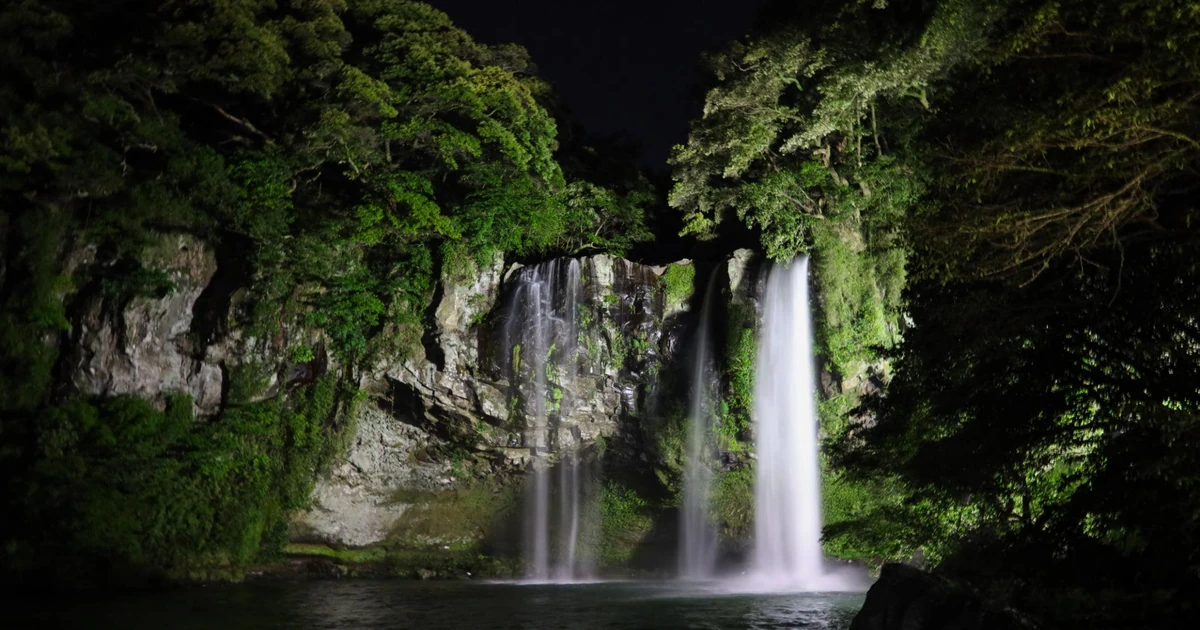
Water and Lava When people imagine Jeju Island, they often picture volcanic landscapes. Black rock.Wide skies.Wind moving across grass fields. Waterfalls are not always the first image that comes to mind. Yet across the southern coast of the island, waterfalls appear repeatedly. They fall over dark lava cliffs. Some drop into forests.One falls directly into

What Is Cheonggukjang? Korea’s Strong Fermented Soybean Stew Explained

The Smell That Arrives First Before anyone sees the bowl, the smell often arrives first. It is thick.Sharp.Fermented in a way that fills the room quickly. For someone unfamiliar with Korean food, the reaction is immediate. Curiosity.Surprise. Sometimes hesitation. That smell usually belongs to “Cheonggukjang” (청국장). A fermented soybean stew known for its intensity. What

What Is Doenjang Jjigae? Korean Soybean Paste Stew Explained

The Smell of a Korean Kitchen There is a smell that often fills Korean kitchens around lunchtime. It is deep.Savory.Fermented. For someone unfamiliar with Korean food, the aroma can feel surprisingly strong. For Koreans, it feels ordinary. That smell usually comes from “Doenjang Jjigae” (된장찌개). A soybean paste stew that appears on countless Korean tables.

Korean Chopsticks Explained: Shape, Material, and Dining Culture

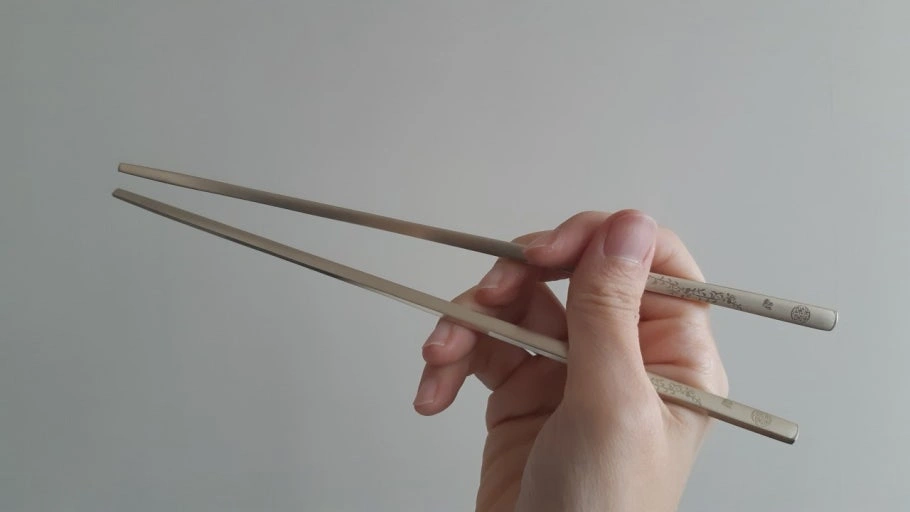
The First Thing People Notice When foreigners sit down at a Korean table, they often pause. The chopsticks are not wooden.They are not round. They are flat.And they are metal. For many visitors, this feels unfamiliar.Metal seems heavy.It seems slippery. The first question usually comes quickly. Why are Korean chopsticks made of metal? The Name

Traditional Korean Sulppang: Origin, Taste, and Cultural Meaning

The Smell Before the Taste There is a smell that drifts through traditional markets in Korea. It is warm.Slightly sweet.Faintly sour. It does not announce itself loudly.It lingers. That smell often comes from “Sulppang” (술빵). Literally, the word means “alcohol bread.” “Sul” means alcohol.“Ppang” means bread. For many people seeing the name for the first