What Is Doenjang Jjigae? Korean Soybean Paste Stew Explained
The Smell of a Korean Kitchen
There is a smell that often fills Korean kitchens around lunchtime.
It is deep.
Savory.
Fermented.
For someone unfamiliar with Korean food, the aroma can feel surprisingly strong.
For Koreans, it feels ordinary.
That smell usually comes from “Doenjang Jjigae” (된장찌개).
A soybean paste stew that appears on countless Korean tables.
What Doenjang Jjigae Is
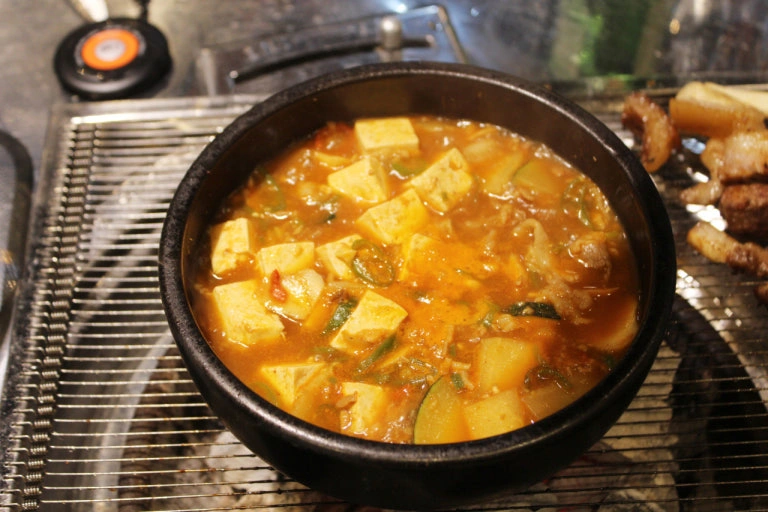
“Doenjang Jjigae” (된장찌개) is a stew made with fermented soybean paste called “Doenjang” (된장).
The base is simple.
Doenjang dissolved in broth.
Often with tofu, vegetables, and sometimes seafood or pork.
Zucchini.
Potatoes.
Onions.
Green chili peppers.
The stew is usually cooked in a small earthenware pot called “Ttukbaegi” (뚝배기).
It arrives at the table still bubbling.
The Taste
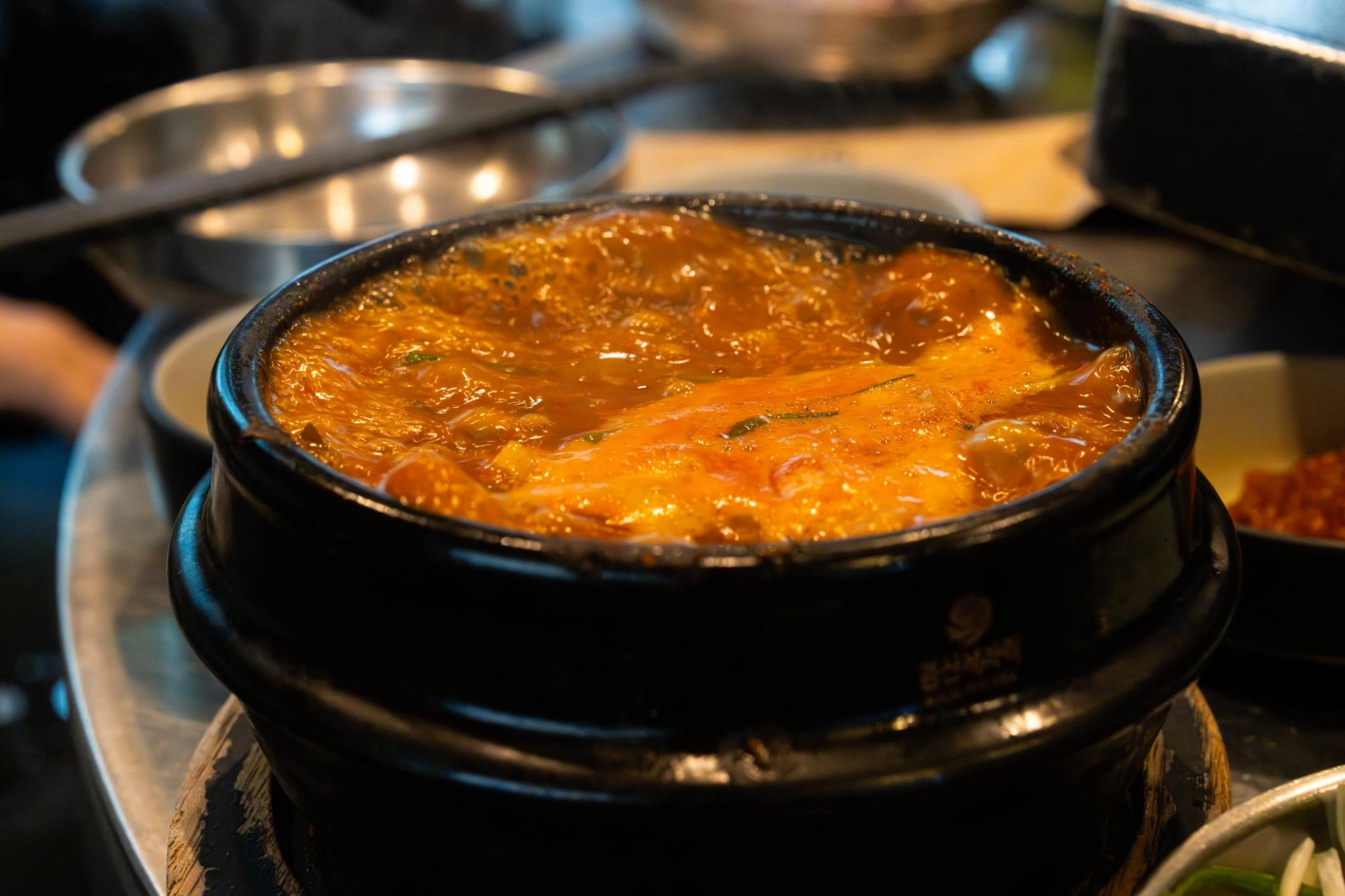
The flavor of Doenjang Jjigae is layered.
Salty.
Earthy.
Slightly bitter.
The fermentation produces depth rather than sweetness.
The soup is rarely clear.
It is cloudy and rich.
For someone tasting it for the first time, the intensity may feel unexpected.
But for Koreans, the flavor signals familiarity.
It tastes like home cooking.
The Ingredient Behind It
The heart of the stew is “Doenjang” (된장).
This paste is made by fermenting soybeans over time.
The process is slow.
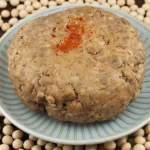
Traditionally, soybeans were boiled, shaped into blocks called “Meju” (메주), then dried and fermented.
These blocks were later soaked in brine and aged.
During this process, the paste and soy sauce separated naturally.
Doenjang remained as the thick fermented paste.
Soy sauce became the liquid.
Fermentation as Habit
Fermented foods appear throughout Korean cuisine.
Kimchi ferments.
Soy sauce ferments.
Doenjang ferments.
These processes developed long before refrigeration existed.
Fermentation allowed food to last through seasons.
It also created flavors that became central to Korean taste preferences.
The strong aroma of Doenjang Jjigae reflects that history.
Everyday Food
Doenjang Jjigae is not considered luxury food.
It is everyday food.
It appears in homes, small restaurants, and workplace cafeterias.
Sometimes it is the main dish.
Sometimes it accompanies grilled meat meals.
In many Korean barbecue restaurants, Doenjang Jjigae arrives near the end of the meal.
The stew balances the richness of meat with something deeper and saltier.
A Common Misunderstanding
Visitors sometimes compare Doenjang to Japanese miso.
The ingredients are similar — fermented soybeans.
But the taste is different.
Doenjang is usually stronger, thicker, and less sweet.
The fermentation is often longer and less refined.
The result feels rustic.
It carries a heavier aroma.
The Pot Matters
The “Ttukbaegi” (뚝배기) used to cook the stew is not incidental.
Earthenware retains heat well.
Even after the pot reaches the table, the stew continues to simmer.
Small bubbles rise slowly.
The surface moves gently.
This constant heat changes the flavor slightly as it is eaten.
Social Context
Korean meals are often shared.
Rice sits in individual bowls.
Side dishes fill the table.
The stew usually sits in the center.
People dip spoons into the same pot.
The food is communal.
This style of eating reflects something about Korean dining habits.
The meal is not separated into personal plates as strictly as in some cultures.
Instead, the table becomes the shared space.
Why It Endures
Modern Korean cities are filled with fast food and global cuisine.
Yet Doenjang Jjigae continues to appear in daily meals.
Part of the reason is simplicity.
The ingredients are accessible.
The preparation is flexible.
Almost any vegetables available can enter the pot.
But the deeper reason may be familiarity.
Fermented soybean paste carries a smell many Koreans recognize from childhood kitchens.
The stew does not need to look impressive.
It bubbles quietly.
Steam rises.
The aroma spreads slowly across the room.
And somewhere between the first spoonful of rice and the last sip of broth,
the flavor settles into something steady.
Not dramatic.
Just familiar.