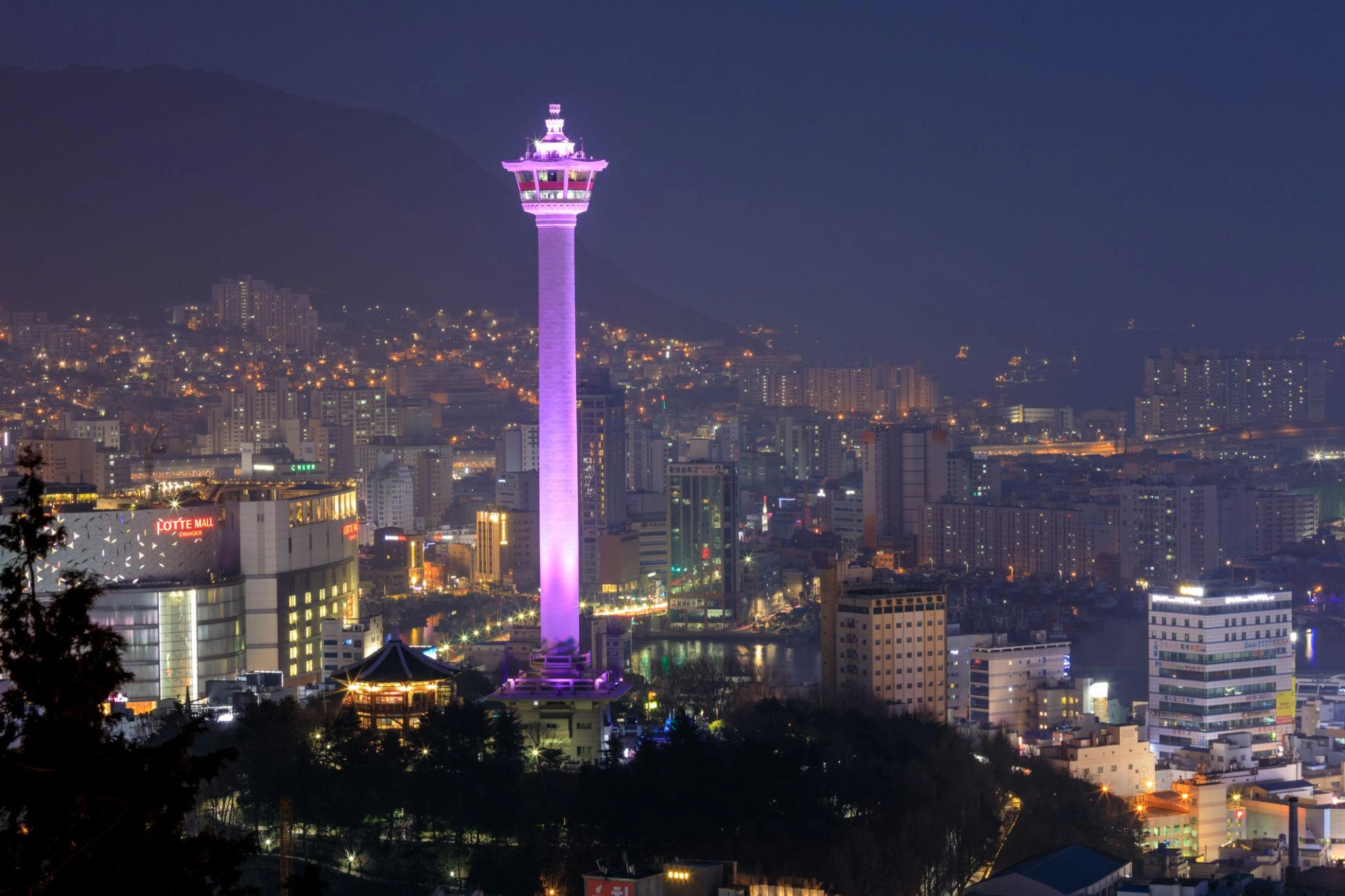
Colorful fireworks exploding over a lit bridge at night during a waterfront festival

Beyond the Fireworks: A Night at Gwangalli Beach

A Night When Everyone Looks at the Same Sky There is something slightly unusual about fireworks. They are loud, temporary, and impossible to hold. They demand attention, then disappear without apology. And yet every year, people gather again. At Gwangalli Beach in Busan, the fireworks festival turns the coastline into a waiting room. Long before
Rows of Korean food delivery scooters parked outside in winter with delivery boxes attached

Korea’s Fast Delivery Culture Explained

How Delivery Became Ordinary in Korea If you stay in Korea long enough, you begin to notice how casually people talk about delivery. “Shall we order?” (시킬까?)“It’s coming.” (오고 있어) There is no special tone in their voice. No sense of indulgence. Delivery is not reserved for special occasions or lazy evenings. It is folded
Traditional Korean onggi jars lined up outdoors beside a wooden pavilion and green hillside

Gochujang, Doenjang, Ganjang: Why Jang Defines Korean Food

The Culture of Jang in Korea If you eat Korean food for the first time, you may notice something that feels repetitive. The flavors are different, the dishes look different, but there is a shared depth underneath. A certain saltiness. A fermented weight. A quiet persistence. Eventually you begin to hear the word “jang.” “Gochujang.”
Flat pastel illustration of people sitting one seat apart inside a subway train with minimal crayon texture

Why Koreans Avoid Sitting Next to Strangers

Why Koreans Hesitate to Sit Next to Strangers If you take a subway in Korea during non-rush hours, you might notice something subtle. The train is not empty. There are people scattered throughout the car. Yet between them, small gaps remain. A seat open here. Another one there. Someone enters and looks around. Instead of
Bicycle parked on a quiet city street at night with blurred lights in the background

Light, Safety, and Habit: Korea After Midnight

Why Korean Streets Stay Bright Even After Midnight If you walk through a residential neighborhood in Korea late at night, something may feel unusual. It is past midnight. Shops are closed. The sidewalks are nearly empty. And yet the streets are still bright. Not dimly lit. Not quietly glowing. Bright. The convenience store sign is
Bowl of Korean seaweed soup with beef slices served with rice and side dishes

Korean Seaweed Soup Variations

In Korea, birthdays begin with a warm bowl of Miyeokguk (미역국) — Korean seaweed soup. More than just a dish, it represents gratitude and care. Traditionally, mothers eat this soup after childbirth for recovery, and children continue the tradition by eating it every birthday. Simple, nourishing, and deeply comforting, Miyeokguk is a staple of Korean
Close-up of umbrella-shaped dalgona honeycomb candy with a needle on a dark background

Authentic Korean Dalgona Recipe

Long before “Dalgona coffee” became a global trend, Koreans grew up enjoying a simple street candy called Dalgona (달고나) — also known as ppopgi. This nostalgic treat is made with just two basic ingredients: sugar and baking soda. When heated and aerated, the sugar transforms into a light, airy honeycomb candy with a slightly bitter
Close-up scene of a man carefully holding a honeycomb candy during a Korean survival game challenge

Beyond the Trend: The Original Story of Dalgona Candy

Before It Became a Trend For many people outside Korea, dalgona first appeared on a screen. It looked fragile. Thin. Honey-colored. Stamped with a shape in the center. It was introduced as a game—break the candy without cracking the outline. Suddenly, 달고나 (dalgona) seemed dramatic. Competitive. Even dangerous in its fictional context. But long before