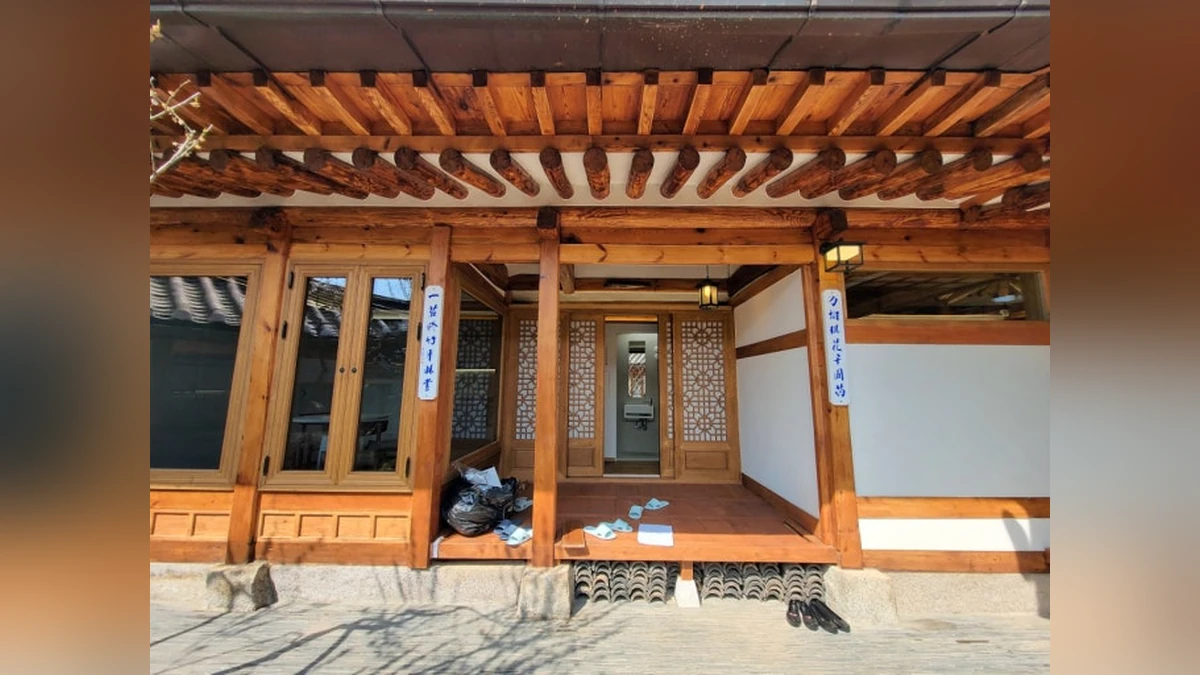
Korean Entryway Culture: 7 Things You Should Know Before Visiting a Korean Home
Korean Entryway Culture: 7 Things You Should Know Before Visiting a Korean Home
Picture this: you’ve just been invited to a Korean friend’s home for the first time. You arrive at the door, knock, and step inside — and before you even say hello, you notice everyone looking down at your feet. You’ve forgotten to take off your shoes.
Don’t worry. It happens to a lot of first-time visitors. But understanding Korean entryway culture before you walk through that door makes everything smoother, more comfortable, and honestly, a lot more fun. The entryway of a Korean home — called the 현관 (hyeongwan) — is a small space packed with meaning, and once you understand what’s going on there, you’ll see Korean home life in a completely new way.
Here are seven simple things that will tell you everything you need to know.
Table of Contents
- There’s a Step — and It Means Something
- You Always Take Your Shoes Off at the Door
- Your Shoes Get Their Own Cabinet
- Guest Slippers Are a Thing
- The Entryway Is Where Hellos and Goodbyes Happen
- Neatness at the Door Is a Form of Respect
- The Whole System Makes Perfect Sense Once You Know Why
- Final Thoughts
1. There’s a Step — and It Means Something
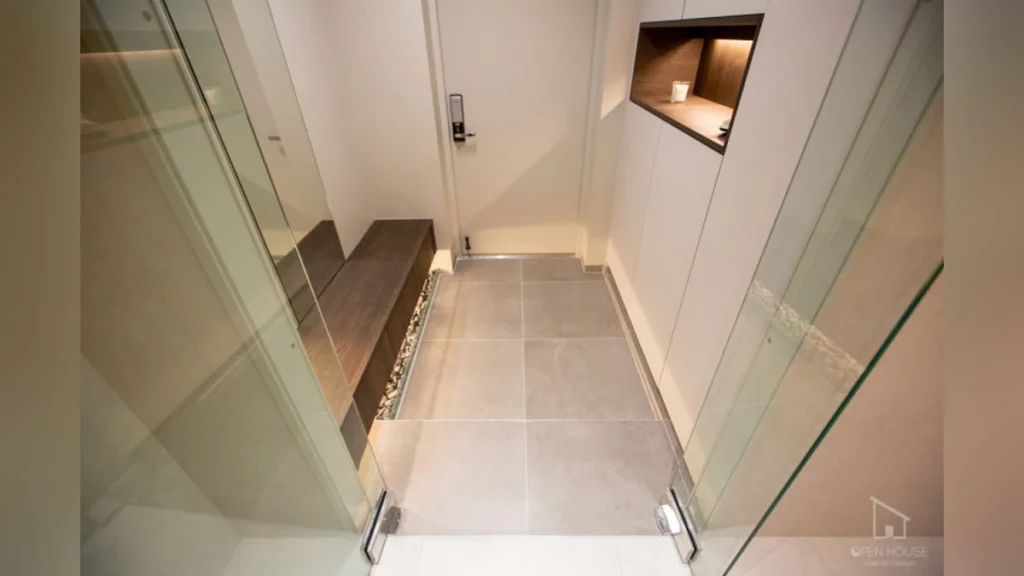
The very first thing you’ll notice when you enter a Korean home is a small step up from the entryway into the rest of the living space. This isn’t a random design quirk. It’s one of the most intentional features in Korean home architecture.
That step — called the 턱 (teok) — physically separates two different worlds. The lower tiled area near the door is where outdoor shoes are worn. Step up from there, and you’ve crossed into the actual home. Clean floors. Socks only. A completely different set of rules.
In traditional Korean homes, people sat, ate, and slept directly on the floor. Keeping that floor clean wasn’t just about preference — it was absolutely necessary. The step is the architectural solution to that need, and even in modern Korean apartments, it’s still there, still doing exactly the same job it always has.
Once you understand the step, the rest of Korean entryway culture starts to make immediate sense.
2. You Always Take Your Shoes Off at the Door
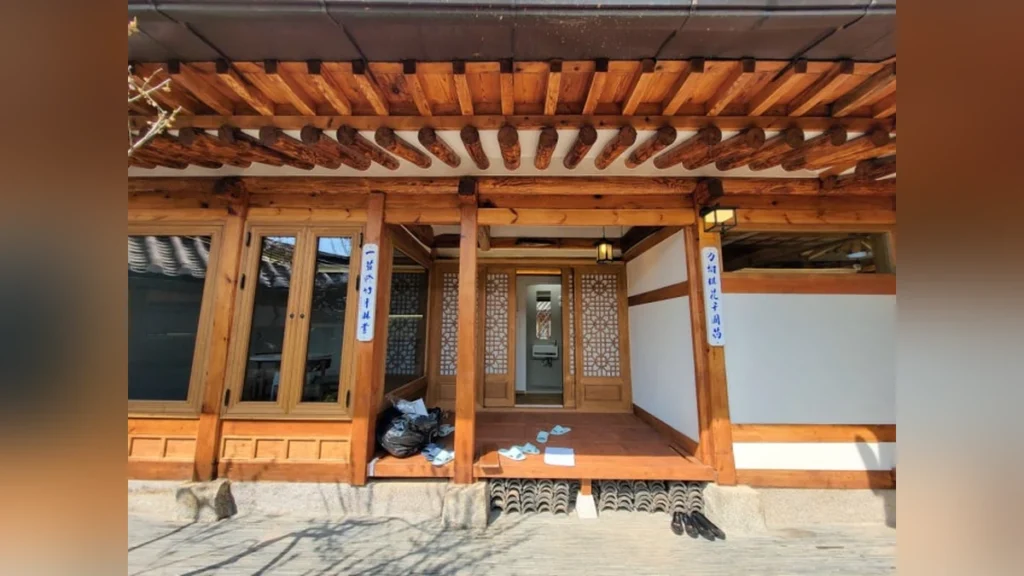
This is the rule. The one rule. The rule that has no exceptions in a Korean home.
When you arrive at a Korean home, you take your shoes off at the entryway. Full stop. You don’t wait to be asked, you don’t look for a mat to wipe your feet on, and you definitely don’t walk further inside with your shoes still on. You stop at the door, remove your shoes, and step up.
For Koreans, this is so automatic that it barely registers as a conscious action. It’s like buckling a seatbelt — you just do it without thinking about it. But for visitors from cultures where shoes stay on indoors, it can take a moment to remember.
Why is it such a firm rule? A few reasons. First, Korean floors are living spaces. People sit on them, kids play on them, and in many traditional homes, people sleep on them too. Tracking outdoor dirt across those surfaces is genuinely unpleasant and unhygienic. Second, removing shoes at the door is a form of respect — for the home, for the family inside, and for the space itself. Walking into a Korean home with your shoes on would feel about as rude as putting your feet up on someone’s dinner table.
The good news? Once you make it a habit, you’ll probably want to do it at your own home too.
3. Your Shoes Get Their Own Cabinet
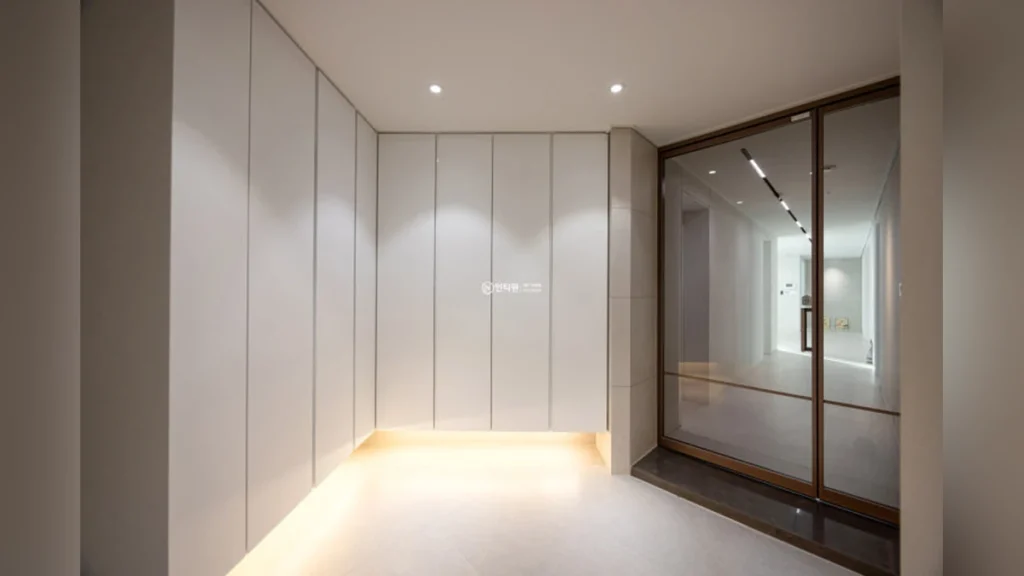
Here’s something that surprises a lot of visitors: Korean homes take shoe storage seriously. Not a little seriously — very seriously.
Next to or near the front door in almost every Korean home, you’ll find a 신발장 (shinbaljang), which is a dedicated shoe storage cabinet. These things come in all shapes and sizes — tall narrow towers, wide low benches, built-in wall systems, even stylish floor-to-ceiling units that look like proper furniture. Whatever the style, the purpose is the same: every pair of shoes in the household has a place, and that place is near the front door.
Why so much shoe storage? Think about it this way. In a household where shoes are removed and replaced every single time someone leaves and comes back, shoes accumulate fast. A family of four can easily have fifteen to twenty pairs cycling through the entryway on a regular basis. Without a proper storage system, the entryway quickly becomes a chaotic pile — and in Korean home culture, a chaotic entryway is a problem.
So the shinbaljang is not a luxury item. It’s as essential as a kitchen cabinet. If you spend any time shopping for home goods in Korea, you’ll notice entire store sections dedicated to nothing but shoe storage solutions. That tells you everything you need to know about how central this piece of furniture is to Korean daily life.
4. Guest Slippers Are a Thing
If you’re visiting a Korean home and your host hands you a pair of indoor slippers as soon as you’ve taken your shoes off — congratulations. That means they were expecting you and they prepared.
Guest slippers, called 실내화 (shilnaehwa), are a common courtesy in Korean homes. The idea is simple: you’ve taken your outdoor shoes off, but you’re still a guest, and walking around someone else’s home in just your socks can feel a little bare. Slippers bridge that gap. They keep your feet comfortable and warm, and they signal that your host thought about your visit in advance.
The right move when offered guest slippers is to accept them graciously. It’s a small hospitality gesture, and declining can create a moment of awkward back-and-forth that nobody really needs. Just put them on, say thank you, and enjoy the fact that someone cared enough to have them ready for you.
One small note: guest slippers are usually kept near the entryway in a clean, accessible spot. If you’re the one hosting and you want to do this the Korean way, keeping a couple of pairs of clean, reasonably sized slippers near the door is one of the easiest ways to make guests feel genuinely welcome from the very first moment.
5. The Entryway Is Where Hellos and Goodbyes Happen
In a lot of home cultures, the front door is just a door. You open it, people come in, and the socializing happens in the living room. The entryway is just a place you pass through.
In Korean home culture, the entryway is a proper social space. It’s where arrivals are received and where departures are seen off — and both of these moments get real attention.
When you arrive at a Korean home, your host will typically come to the entryway to greet you directly. They won’t wave from the couch. They’ll actually come to the door, meet you at the threshold, and welcome you in. It sounds like a small thing, but it communicates a lot: you matter enough to be properly received.
Goodbyes at the Korean entryway are equally thoughtful. Korean hosts will almost always walk guests back to the front door when they’re leaving — and often a little further. There’s a waiting quality to Korean goodbyes at the door: the host stays while you put your shoes back on, makes sure you’re ready to go, and sends you off with a proper farewell rather than a wave from across the room.
If you’re visiting a Korean home, expect your goodbyes to take a few minutes longer than you might be used to. This isn’t inefficiency — it’s warmth.
6. Neatness at the Door Is a Form of Respect
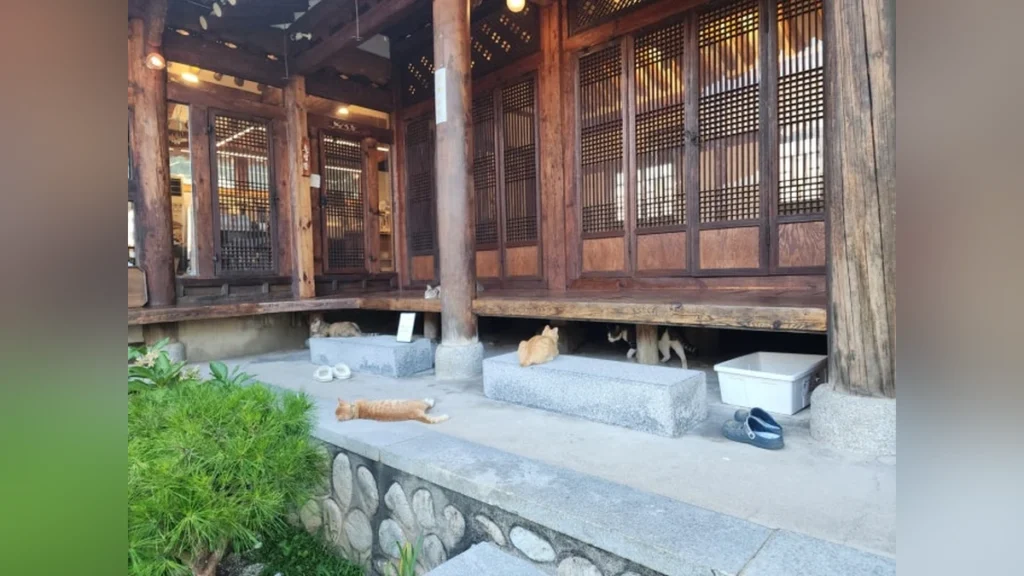
Here’s a small detail that goes a long way: when you take off your shoes at a Korean entryway, don’t just kick them off anywhere. Take a moment to set them down neatly, toes pointing outward so they’re easy to slip back into when you leave.
This might seem like overthinking it. But in Korean home culture, the state of the entryway reflects the consideration of the people who use it. A messy entryway — shoes scattered in random directions, things piled up without order — communicates carelessness. A tidy one communicates respect for the home and the people inside it.
The same logic applies to your socks, by the way. Because shoes come off at the door and floors are where life happens, your socks become visible in a way they wouldn’t in a shoes-on culture. This isn’t something to stress over, but clean, intact socks are worth thinking about before you visit a Korean home. It’s one of those details that quietly tells people you paid attention.
Neatness at the Korean entryway isn’t about being formal or stiff. It’s about showing that you understand the space you’re entering and that you’re willing to treat it with care.
7. The Whole System Makes Perfect Sense Once You Know Why
If you’ve read through the previous six points, you might already be thinking: this all actually makes a lot of sense.
And you’re right. Korean entryway culture isn’t an arbitrary set of rules that exists because of tradition for tradition’s sake. It developed over centuries for genuinely practical reasons — floors that needed to stay clean for daily living, cold winters where floor heating made the ground the warmest and most lived-in surface in the house, and a cultural understanding that home is a protected space that deserves a different kind of treatment than the outside world.
The shoes come off because floors are for living on. The shoe cabinet exists because shoes multiply. The slippers are offered because good hosts think ahead. The host comes to the door because you deserve a proper welcome. The goodbyes linger because leaving matters as much as arriving.
Every element of Korean entryway culture connects back to a simple underlying idea: the home is a different kind of place, and the entryway is the moment where that difference begins. Once you see it that way, taking off your shoes doesn’t feel like a rule anymore. It feels like the obvious thing to do.
A Few Quick Practical Tips
Before wrapping up, here are a few quick reminders that will serve you well any time you visit a Korean home:
Take your shoes off before you’re asked. Waiting to be told signals you didn’t already know, which can create a slightly awkward moment. Just do it as soon as you arrive.
Wear decent socks. Your feet will be visible. Clean, hole-free socks are part of being a considerate guest.
Accept slippers if offered. Don’t overthink it — just put them on and say thank you.
Place your shoes neatly. Toes facing outward, set to the side. It takes five seconds and it matters.
Don’t rush the goodbye. Your host will walk you to the door. Let them. It’s not awkward — it’s how it’s done.
Final Thoughts
Korean entryway culture is one of those things that seems unfamiliar from the outside but feels completely natural once you’ve experienced it a few times. It’s clean, it’s considerate, and there’s a genuine logic behind every part of it.
The next time you step into a Korean home, you’ll know exactly what to do — shoes off, step up, and appreciate the quiet thoughtfulness of a culture that decided long ago that home deserves to be treated differently from everywhere else.
And honestly? Once you’ve gotten used to it, walking into your own home with your shoes on might start to feel a little strange too.