Dog Stroller Korea: Why Koreans Love Taking Pets for a Ride
Dog Stroller Korea: Why Koreans Love Taking Pets for a Ride
If you’ve spent any time walking through a Korean park, strolling a busy shopping street, or wandering through a weekend market, you’ve almost certainly seen one — a small, fluffy dog riding comfortably in a stroller, looking entirely unbothered while its owner walks alongside. The dog stroller in Korea isn’t a novelty or a joke. It’s completely normal, widely accepted, and honestly, a little bit wonderful.
This guide dives into everything you need to know about the dog stroller culture in Korea — why it’s so popular, what kinds are available, how much they cost, and whether it might be something worth considering for your own pet.
Table of Contents
- Why the Dog Stroller Culture Took Off in Korea
- Who Actually Uses Dog Strollers in Korea?
- Types of Dog Strollers Available in Korea
- What to Look for When Buying a Dog Stroller in Korea
- How Much Does a Dog Stroller Cost in Korea?
- Where to Buy a Dog Stroller in Korea
- Dog Stroller Etiquette in Korea
- Tips for Getting Your Dog Used to a Stroller
- Final Thoughts
Why the Dog Stroller Culture Took Off in Korea
Korea’s relationship with pets has shifted dramatically over the past two decades. Dogs were once kept primarily as outdoor animals, but today they are very much members of the family — often referred to as 반려견 (ban-ryeo-gyeon), which translates closer to “companion dog” than simply “pet.” That shift in mindset has had a real impact on how Koreans care for and spend money on their animals.
The rise of the dog stroller in Korea is tied directly to this change. As dogs moved indoors and into smaller city apartments, owners became more protective of them. Tiny breeds — Maltese, Pomeranians, Toy Poodles, Chihuahuas — dominate Korean pet ownership, and many of these dogs have delicate paws, sensitive joints, or simply can’t keep up on long city walks. A stroller solves that problem elegantly.
There’s also a practical urban logic behind it. Korean cities are crowded, loud, and fast-moving. A small dog on a leash in a busy subway station or packed shopping district can quickly become stressed, stepped on, or overwhelmed. Tucked into a stroller, the same dog is calm, safe, and completely in its element.
Beyond practicality, there’s undeniably a social dimension to the dog stroller in Korea. It signals care, affection, and a certain kind of commitment to your pet’s comfort. In a culture where pet ownership is increasingly treated as a lifestyle identity, the stroller has become part of that expression.
Who Actually Uses Dog Strollers in Korea?
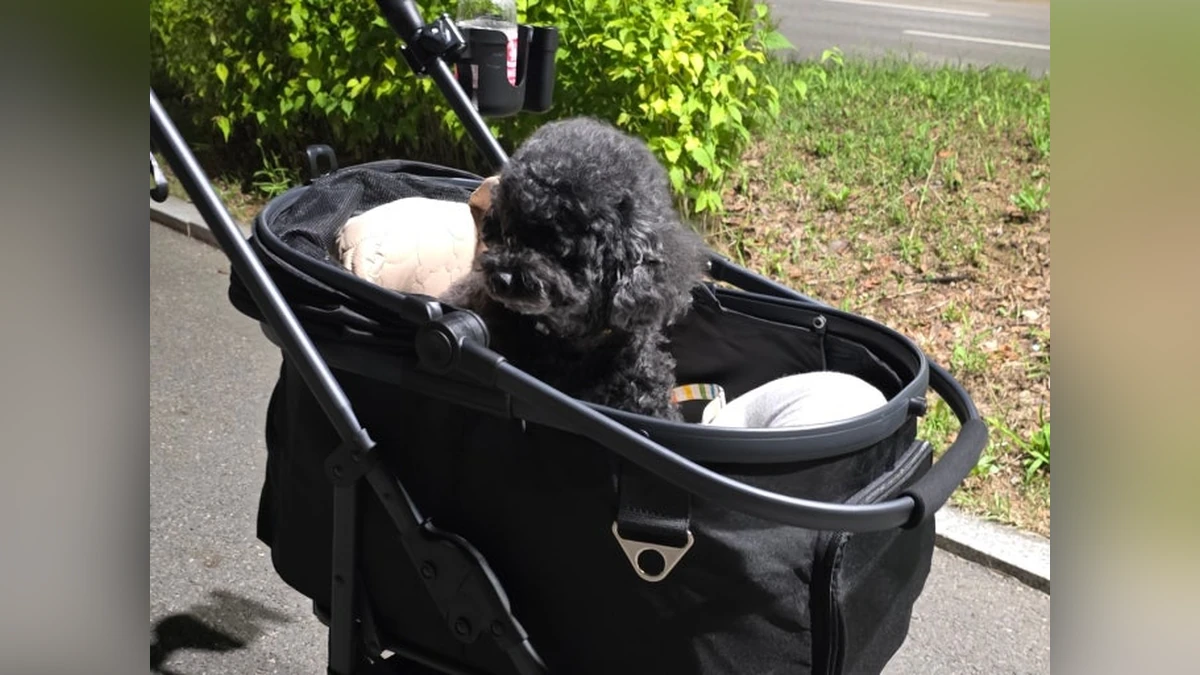
The short answer: far more people than you might expect.
Elderly owners make up a significant portion of dog stroller users in Korea. For seniors who may struggle with long walks or who have dogs with mobility issues of their own, a stroller makes outings possible in a way that wouldn’t otherwise be. It keeps the dog close and contained without the physical strain of carrying.
Young couples and single professionals in their 20s and 30s are also big users. For this demographic, pets often substitute for or precede children, and the same emotional investment shows up in the accessories they buy. A dog stroller isn’t excessive to them — it’s just taking care of someone you love.
Owners of elderly or injured dogs represent another common use case. A dog recovering from surgery, dealing with arthritis, or simply slowing down with age can still enjoy fresh air and outdoor time with the help of a stroller. Veterinarians in Korea increasingly recommend them for dogs with joint problems or post-operative recovery.
You’ll also see strollers used by owners of multiple small dogs who want to take everyone out at once — a double-compartment stroller carrying two small breeds side by side is not an unusual sight at a Korean park on a Sunday afternoon.
Types of Dog Strollers Available in Korea
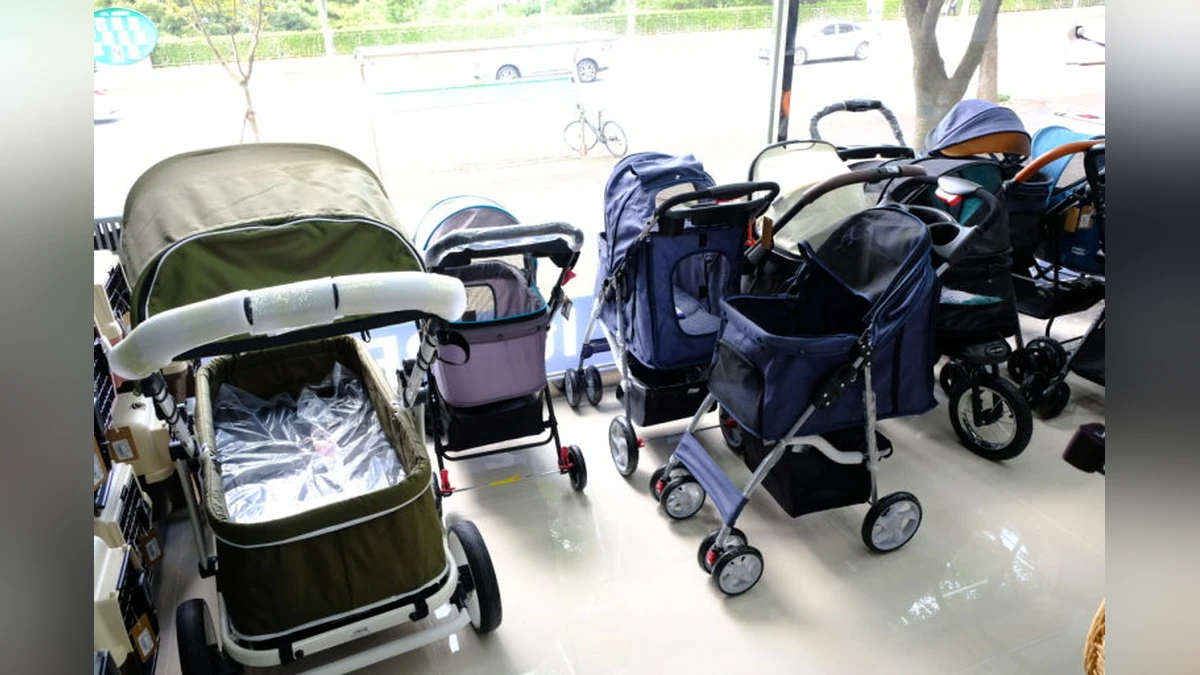
The Korean pet market is mature and well-developed, which means the variety of dog strollers available is genuinely impressive. Here’s a breakdown of the main types:
Standard Four-Wheel Strollers
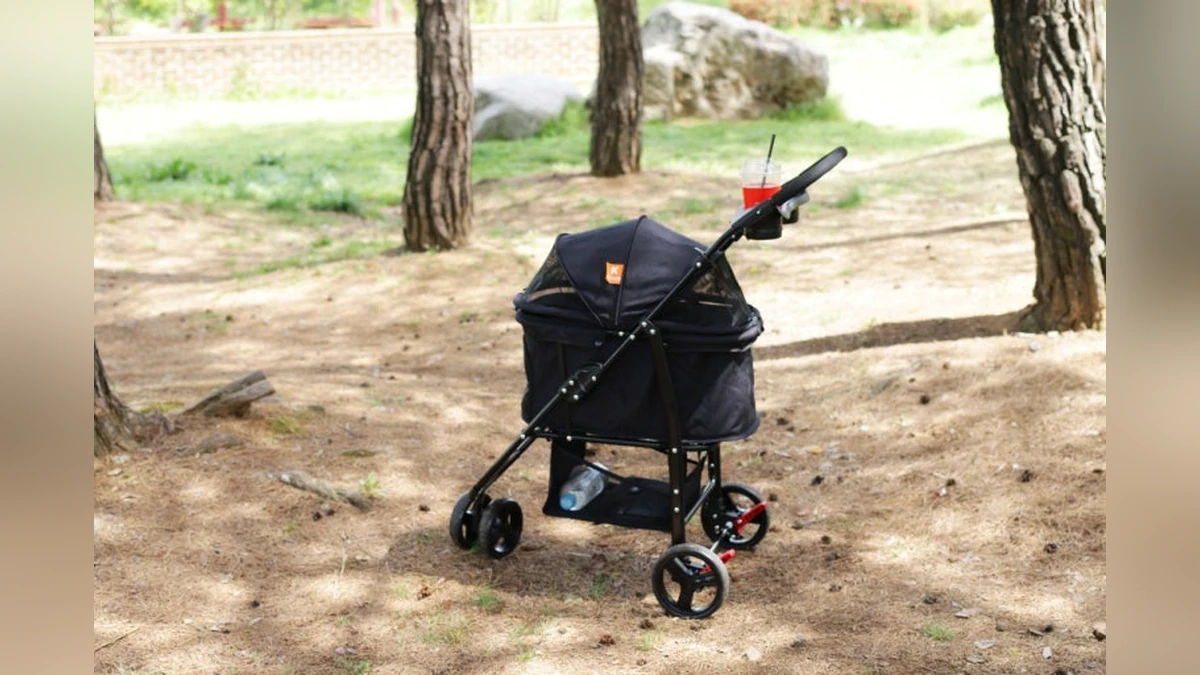
These are the most common type. They look similar to a baby stroller, with a canopy, a zippered mesh enclosure, and a storage basket underneath. They’re stable, easy to push on flat surfaces, and come in a wide range of sizes and colors. Most of the dog strollers you’ll see at parks and shopping areas in Korea fall into this category.
Jogger-Style Strollers
Three-wheeled strollers designed for owners who run or walk briskly. They handle uneven terrain better than standard strollers and typically have better suspension. If you hike or walk on trails, this style is worth considering.
Foldable and Compact Strollers
Popular with city dwellers who need to store their stroller in a small apartment or carry it on public transport. These fold flat quickly and are lighter than full-size models. Slightly less spacious, but very convenient.
Luxury and Designer Strollers
Yes, they exist, and yes, there’s a market for them in Korea. Premium brands offer strollers with memory foam bases, UV-protection canopies, detachable carry bags, and high-end fabrics. Some can be converted into car seats or bicycle attachments. The prices reflect the features, but they’re popular among owners who want the best for their pets.
Multi-Pet Strollers
Strollers with two or three separate compartments for owners with multiple small dogs or mixed households (dogs and cats together). The compartments are usually separated by a mesh divider so the animals can see each other without being in the same space.
What to Look for When Buying a Dog Stroller in Korea
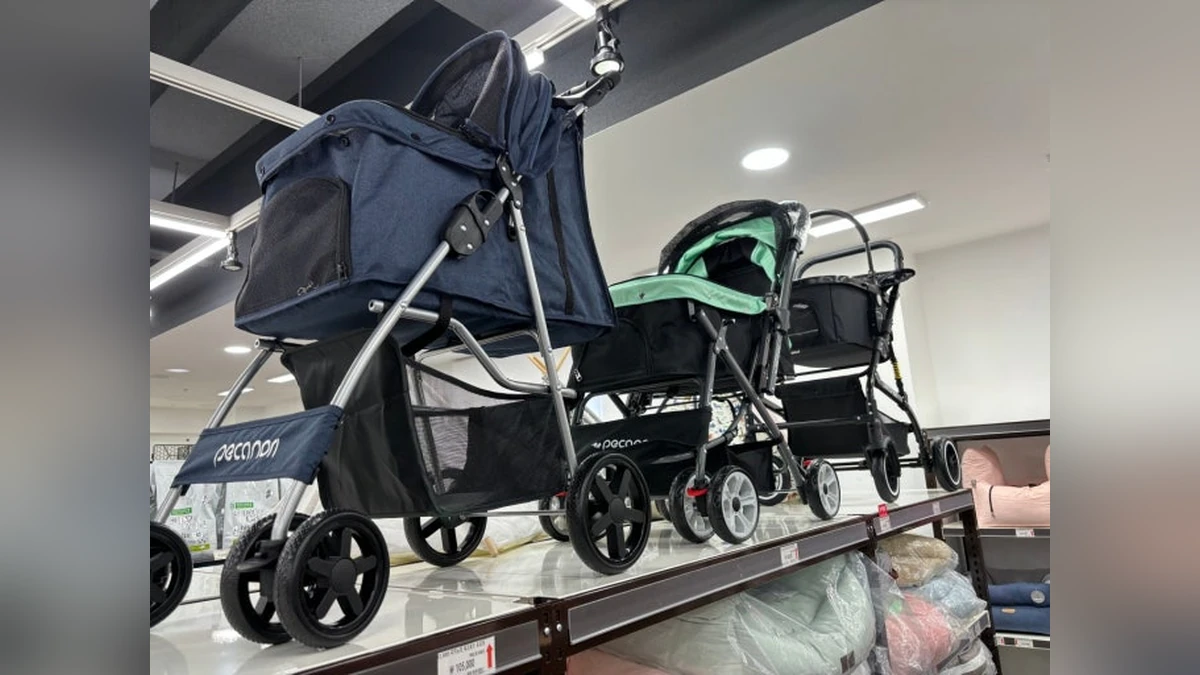
With so many options available, it helps to know what actually matters before you spend your money. Here are the key factors to consider:
Size and Weight Capacity This is the most important starting point. Measure your dog’s length and height when lying down and add some room for comfort. Check the stroller’s weight limit carefully — most standard strollers handle up to 10–15kg, while heavy-duty models go higher.
Ventilation Good airflow is essential, especially in Korea’s hot and humid summers. Look for mesh panels on multiple sides. A stroller that’s cozy in winter can become dangerously hot in July if it doesn’t breathe properly.
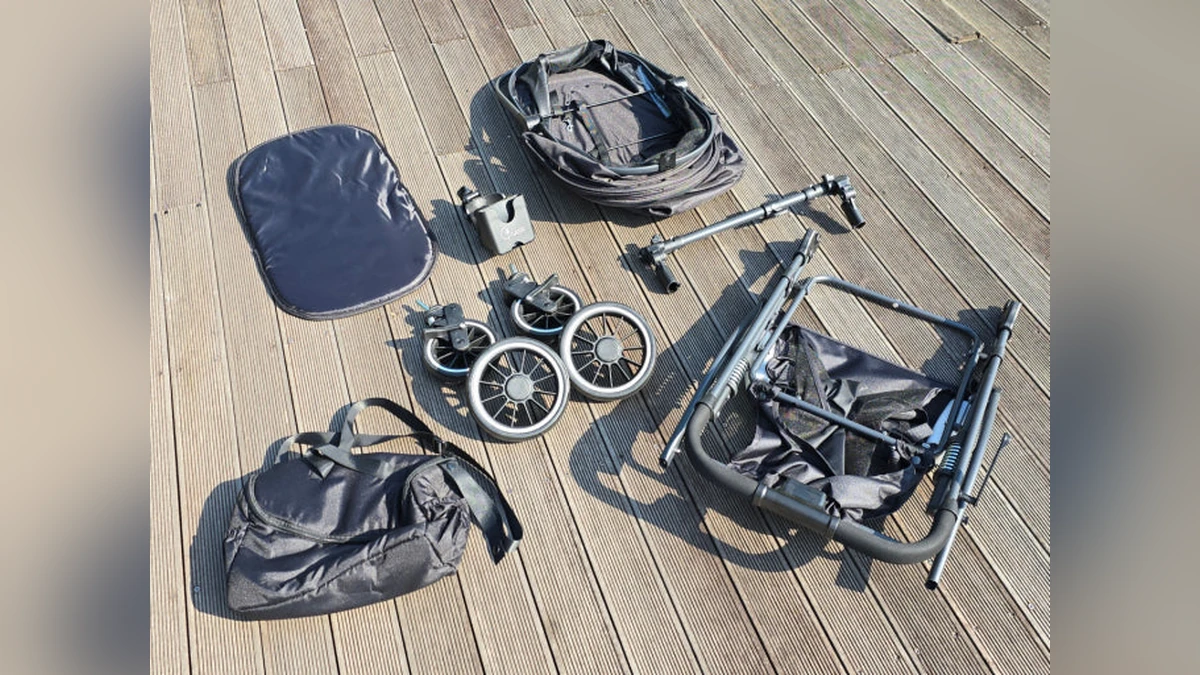
Wheel Quality and Suspension If you’re mostly using the stroller on smooth sidewalks and park paths, standard plastic wheels are fine. For rougher terrain or jogging, look for foam-filled or air-filled tires and a suspension system that absorbs bumps.
Ease of Folding If you take public transport or store the stroller in a car, a one-hand fold mechanism makes a significant practical difference. Test this in-store if you can.
Safety Features A tether clip inside the stroller (to attach to your dog’s harness) is important for preventing escape when the canopy is open. Reliable zippers and a secure brake system on the wheels are also worth checking.
Washable Lining Dogs are messy. A removable, machine-washable inner pad is not a luxury — it’s a necessity. Check before you buy.
How Much Does a Dog Stroller Cost in Korea?
Korea offers a wide range of price points, which makes finding something within your budget fairly easy. Here’s what to expect:
Budget range: ₩30,000 – ₩80,000 Basic strollers from Korean online marketplaces or discount pet shops. Functional, lightweight, but with fewer features and less durable materials. Fine for occasional use.
Mid-range: ₩80,000 – ₩200,000 This is where most serious buyers land. You’ll find solid construction, decent ventilation, smooth wheels, and easy folding. Korean brands in this range offer genuinely good value.
Upper mid-range: ₩200,000 – ₩400,000 Better materials, stronger frames, improved suspension, and more design options. Often includes extras like cup holders, parent organizer bags, and convertible configurations.
Premium and designer: ₩400,000 – ₩1,000,000+ High-end Korean and imported brands with premium features. Memory foam interiors, branded fabrics, multi-function designs. A significant investment, but built to last and often aesthetically very polished.
For most owners, the ₩100,000 – ₩250,000 range hits the sweet spot between quality and cost. It’s enough to get a stroller that’s genuinely comfortable for the dog and durable enough to last several years.
Where to Buy a Dog Stroller in Korea
You have several good options depending on how you prefer to shop:
Online Marketplaces
Naver Smart Store and Coupang are the two dominant platforms for pet product shopping in Korea. The selection is enormous, prices are competitive, and reviews are detailed and reliable. Most purchases arrive within one to two days. For budget to mid-range strollers, this is often the most efficient route.
Large Pet Specialty Stores
Chains like Petco Korea (펫코), Animaru, and various independent large-format pet stores carry a curated range of strollers. You can see and touch the product before buying, which matters when you’re spending more than ₩100,000. Staff can help with sizing and feature questions.
Department Store Pet Sections
Higher-end strollers and designer brands tend to appear in the pet sections of department stores like Lotte, Hyundai, or Shinsegae. These are reliably stocked with premium options and knowledgeable staff.
Offline Markets and Pet Expos
Korea hosts regular pet expos and flea markets where small brands and independent sellers offer interesting products, sometimes at better prices than retail. These can be great places to discover newer Korean brands before they become mainstream.
Dog Stroller Etiquette in Korea
Korea is generally a very pet-friendly country, but there are a few unwritten social rules worth knowing when it comes to dog strollers:
Keep the canopy zipped in crowded areas. Even if your dog is well-behaved, keeping them enclosed in busy spaces like markets or transit hubs is considerate to those who may be allergic to or afraid of dogs.
Don’t bring strollers into places that don’t allow pets. The stroller doesn’t change the rule. If a restaurant or store doesn’t allow animals, the stroller doesn’t make your dog invisible.
Be mindful of other dogs. An enclosed dog stroller can trigger curiosity or even territorial behavior from dogs on leashes passing by. A quick “it’s okay” and keeping moving is usually enough to prevent situations from escalating.
Keep the stroller clean. A dirty or visibly unhygienic stroller draws attention for the wrong reasons. A quick wipe-down of wheels after park use is good practice.
Tips for Getting Your Dog Used to a Stroller
Not every dog loves a stroller immediately — especially if they’re older and not used to one. Here’s how to ease the transition:
Start with the stroller stationary. Let your dog sniff and explore it on their own terms before you put them inside. Place a treat or their favorite blanket inside to build a positive association.
Try short sessions first. A five-minute ride around the block is a better first experience than a one-hour park outing. Build up duration gradually.
Keep the canopy open at first. A fully enclosed stroller can feel confining for a dog that’s new to it. Start with the mesh top open or rolled back so they can see out clearly.
Bring familiar scents. A small towel or piece of your clothing placed inside can help an anxious dog feel more comfortable during the first few rides.
Stay calm and upbeat. Dogs read your energy. If you’re relaxed and casual about the stroller, they’re more likely to be too. Praise them during and after the ride, not just when they resist.
Most dogs adapt within a week or two of regular short sessions. Some fall in love with it almost immediately — particularly dogs that enjoy being carried but have owners whose arms tire.
Final Thoughts
The dog stroller in Korea is a genuine reflection of how the country thinks about pets today. It’s not about overindulgence or treating dogs like accessories — it’s about a thoughtful approach to an animal’s comfort, safety, and quality of life. Whether you’re a long-time resident with a senior dog, a new pet owner in Seoul trying to figure out city life with a small breed, or just a curious visitor watching a Pomeranian ride past in what looks like a very comfortable vehicle — there’s something genuinely charming about it.
If you’re considering one for your own dog, the Korean market gives you plenty of great options at prices that are hard to argue with. Do a little research, figure out your dog’s needs, and don’t be surprised if your first stroller ride turns into a daily ritual that your dog starts expecting before you even grab the handle.