Korean Chopsticks Explained: Shape, Material, and Dining Culture

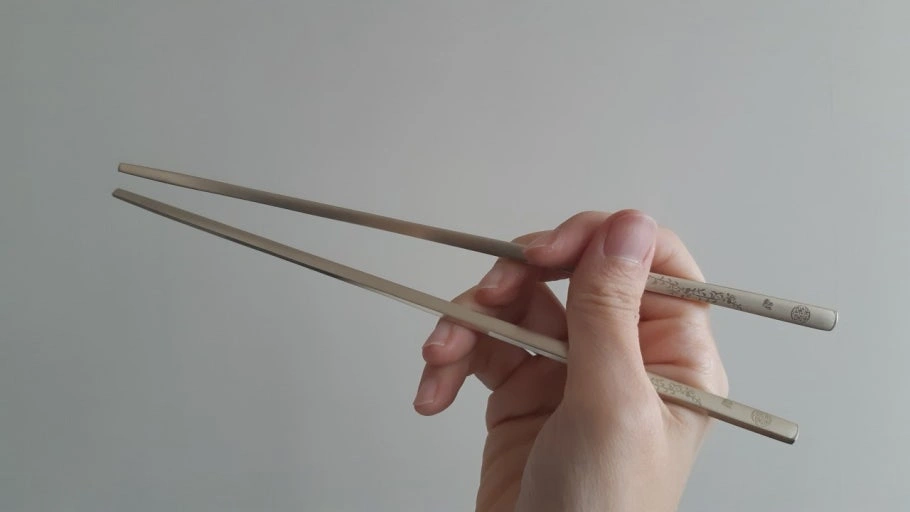
The First Thing People Notice When foreigners sit down at a Korean table, they often pause. The chopsticks are not wooden.They are not round. They are flat.And they are metal. For many visitors, this feels unfamiliar.Metal seems heavy.It seems slippery. The first question usually comes quickly. Why are Korean chopsticks made of metal? The Name

Traditional Korean Sulppang: Origin, Taste, and Cultural Meaning

The Smell Before the Taste There is a smell that drifts through traditional markets in Korea. It is warm.Slightly sweet.Faintly sour. It does not announce itself loudly.It lingers. That smell often comes from “Sulppang” (술빵). Literally, the word means “alcohol bread.” “Sul” means alcohol.“Ppang” means bread. For many people seeing the name for the first

Gyeongju Desserts: History, Symbolism, and Everyday Taste

The Taste of a Historic City When people think of Gyeongju, they think of tombs, temples, and quiet fields. The city feels ancient.The air feels slower. But near the bus terminals and around Hwangnidan-gil, there is always the smell of something sweet. Gyeongju does not only preserve stone and wood.It preserves bread. Small, round, carefully
Illustration of two boys angrily arguing face to face, pointing fingers at each other with expressive emotions

What You Say Comes Back: A Korean Proverb Explained in English

The Korean proverb “가는 말이 고와야 오는 말이 곱다” rests on a simple observation: words travel in both directions.If what you send out is gentle, what comes back is likely to be the same. At first glance, it sounds like advice about manners. Speak politely, and others will respond politely. But in daily Korean life,
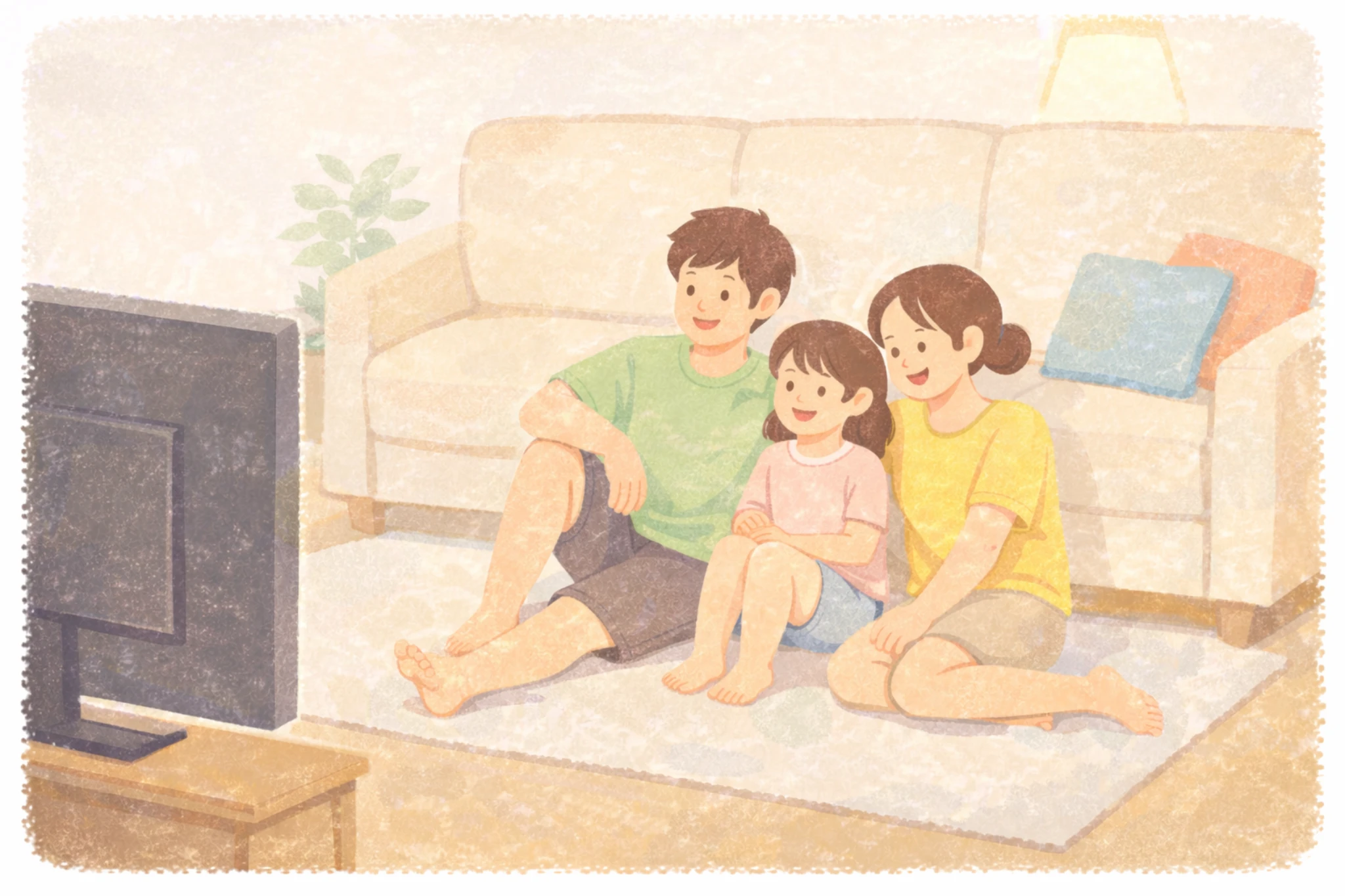
A barefoot family sitting on the living room floor, leaning against a sofa while casually watching TV together at home.

Why Koreans Don’t Wear Shoes Indoors

Why the Question Itself Feels Slightly Off Sometimes a question arrives already leaning in the wrong direction.“Why do Koreans wear shoes inside the house?” is one of those questions. For many Koreans, the sentence causes a brief pause. Not confusion exactly, but a small hesitation, like noticing a chair placed slightly too close to the

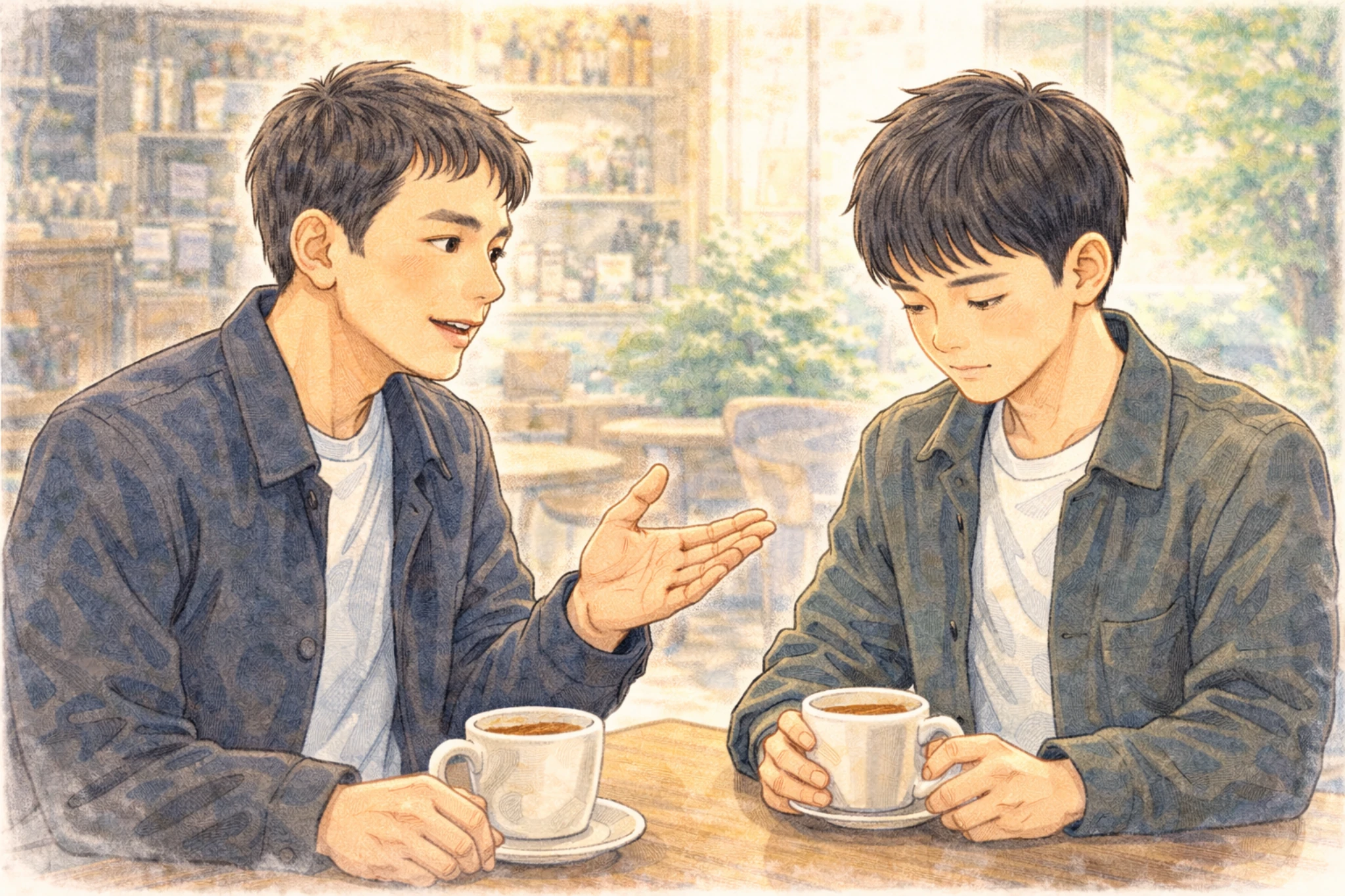
Why Koreans Avoid Direct Eye Contact

Why the Eyes Often Look Away For many people visiting Korea, one moment feels quietly confusing.You are speaking. The words are polite, the tone is calm, but the other person’s eyes drift away. Not dramatically. Not in a way that signals boredom or avoidance. Just slightly to the side. Down. Anywhere but directly at you.

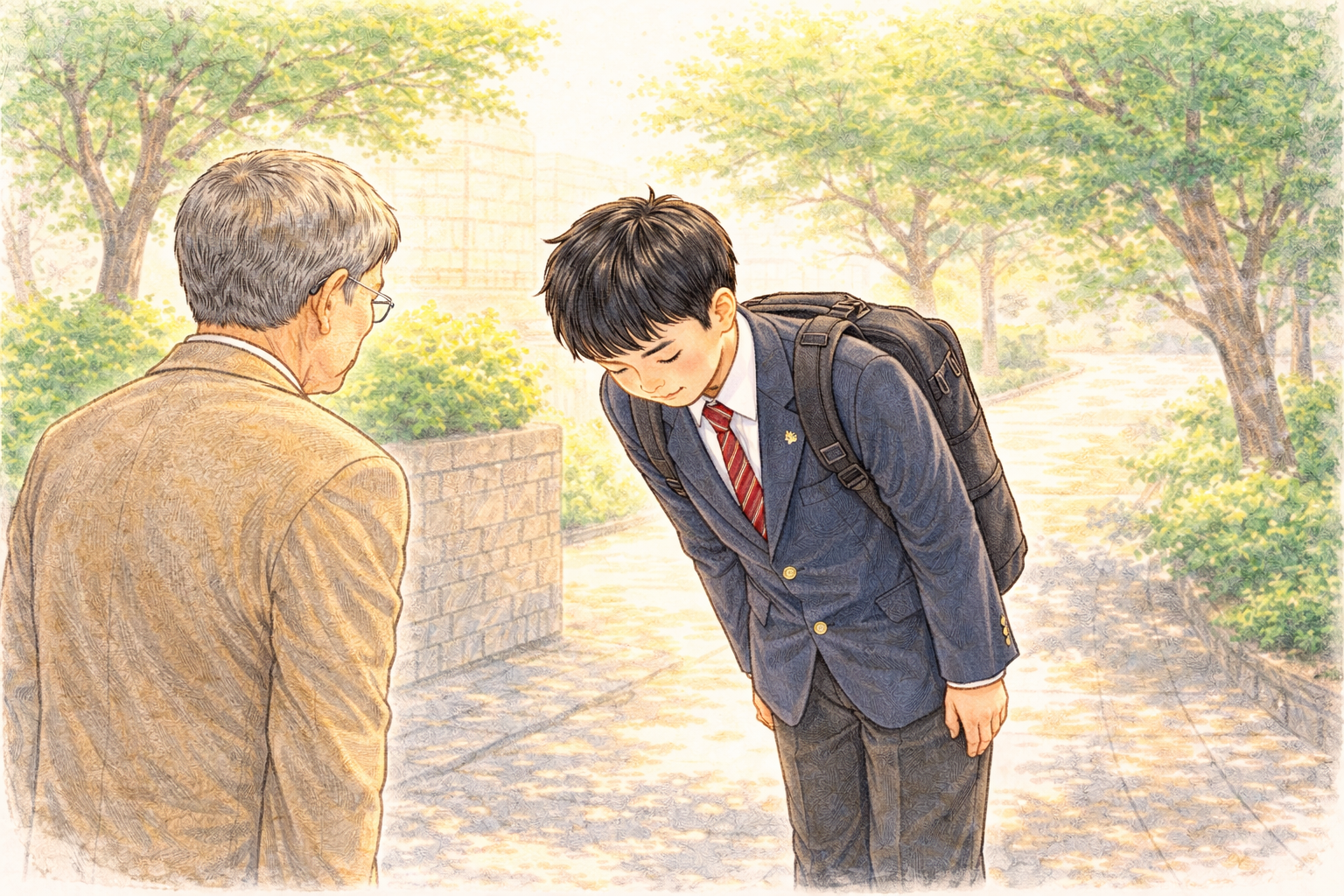
The Role of Bowing in Korean Communication

The Small Movement That Comes First Before words, the body moves. A slight bend of the neck.A pause.Eyes lowering, just briefly. Sometimes the bow is deep. Sometimes it barely exists. But it happens so often that many Koreans don’t register it as a choice. They just do it. To someone unfamiliar, this constant lowering of