Nunchi: The Korean Art of Reading the Room Without Being Told

Imagine you’re at a dinner table with a group of Koreans. The conversation has been flowing easily for an hour — laughter, food, stories. Then something shifts. Nobody announces it. Nobody says a word about it. But the energy in the room changes, almost imperceptibly. Voices get quieter. Eye contact becomes briefer. One person starts


Jeju Columnar Joints Explained: Lava, Geometry, and Coastal Landscape

Stone That Looks Too Ordered Along parts of the southern coast of Jeju Island, the cliffs do not look random. The rocks appear stacked.Vertical.Evenly shaped. From a distance, they resemble columns rising from the sea. Some look like bundles of long pillars.Others appear almost geometric. This formation is known as “Columnar Jointing,” and in Korean

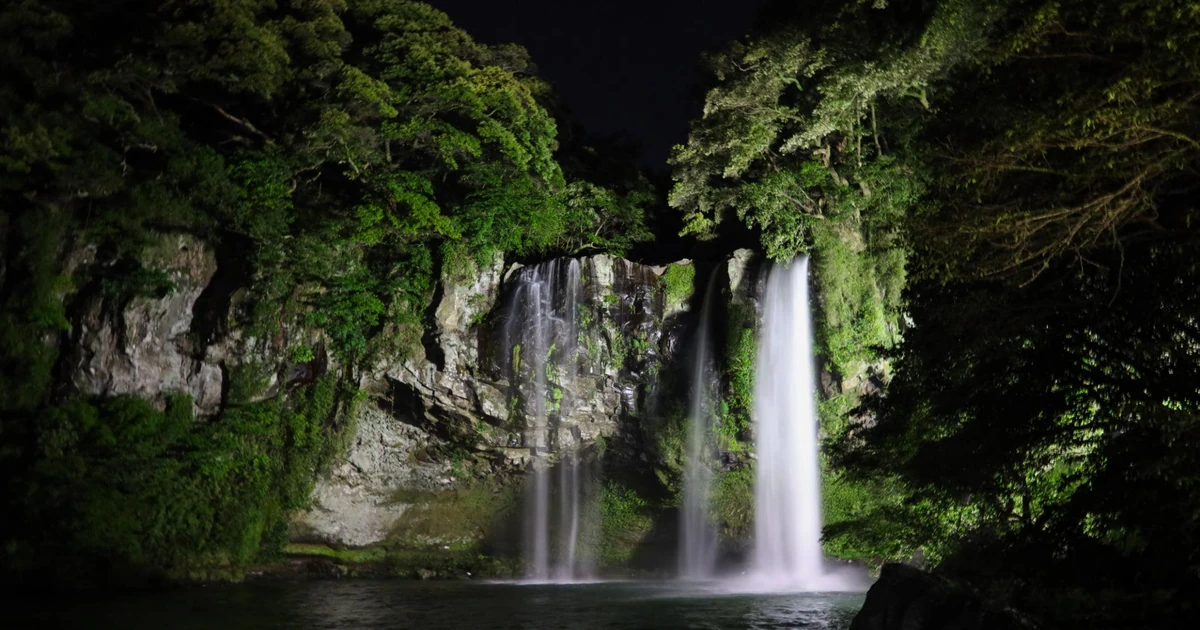
Jeju Island Waterfalls: Meaning, Formation, and Cultural Landscape

Water and Lava When people imagine Jeju Island, they often picture volcanic landscapes. Black rock.Wide skies.Wind moving across grass fields. Waterfalls are not always the first image that comes to mind. Yet across the southern coast of the island, waterfalls appear repeatedly. They fall over dark lava cliffs. Some drop into forests.One falls directly into

What Is Cheonggukjang? Korea’s Strong Fermented Soybean Stew Explained

The Smell That Arrives First Before anyone sees the bowl, the smell often arrives first. It is thick.Sharp.Fermented in a way that fills the room quickly. For someone unfamiliar with Korean food, the reaction is immediate. Curiosity.Surprise. Sometimes hesitation. That smell usually belongs to “Cheonggukjang” (청국장). A fermented soybean stew known for its intensity. What

What Is Doenjang Jjigae? Korean Soybean Paste Stew Explained

The Smell of a Korean Kitchen There is a smell that often fills Korean kitchens around lunchtime. It is deep.Savory.Fermented. For someone unfamiliar with Korean food, the aroma can feel surprisingly strong. For Koreans, it feels ordinary. That smell usually comes from “Doenjang Jjigae” (된장찌개). A soybean paste stew that appears on countless Korean tables.