Baskin-Robbins Korea Is a Completely Different Experience — And Here’s Why the World Keeps Talking About It
Somewhere between discovering that Korean convenience stores sell better snacks than most countries’ supermarkets and realizing that Korean fried chicken is a genre unto itself, first-time visitors to Korea tend to walk past a Baskin-Robbins and feel a familiar sense of comfort.
Oh good, something I recognize.
Then they step inside. And everything they thought they knew about Baskin-Robbins quietly stops applying.
The ice cream cakes here don’t look like birthday cakes. They look like small architectural projects. The flavor names read like creative writing exercises. There are 100 varieties at the specialty stores. Someone is walking out with dry ice. And the entire aesthetic of the place — the lighting, the display cases, the packaging — feels several tiers above what the brand delivers in most other countries.
Korea has taken Baskin-Robbins and made it its own. And the result is, genuinely, worth talking about.
It Started as a Foreign Brand and Became a Korean Institution
Baskin-Robbins entered Korea in 1985, and in the decades since, it has done something remarkable for a foreign franchise: it has become so thoroughly embedded in Korean food culture that most Koreans simply call it Bera (베라) — a nickname formed from the Korean transliteration of the brand — and treat it with the kind of affectionate familiarity usually reserved for homegrown businesses.
With over 1,600 locations across the country, Korea accounts for nearly a third of Baskin-Robbins’ entire global store count outside the United States. That is not a small fact. It means Korea is, by a significant margin, one of the brand’s most important international markets — and the Korean operation has been given the space and the creative mandate to develop accordingly.
The Korean business is run locally, with its own product development team, its own design sensibility, and its own marketing calendar that treats Korean cultural moments — Chuseok, Christmas, graduation season, Valentine’s Day — as major product launch opportunities. The result is a franchise that has the American brand’s DNA but operates with the creative independence of a Korean company.
The Ice Cream Cakes Are the Main Event
If there is one thing that separates Korean Baskin-Robbins from almost every other version of the brand in the world, it is the ice cream cakes. And not in a minor way.
In most countries, a Baskin-Robbins ice cream cake follows a predictable template: a slab of ice cream on a cookie or cake layer, covered in frosting, with a message written on top. It is a functional product. It does its job. It is not particularly exciting.
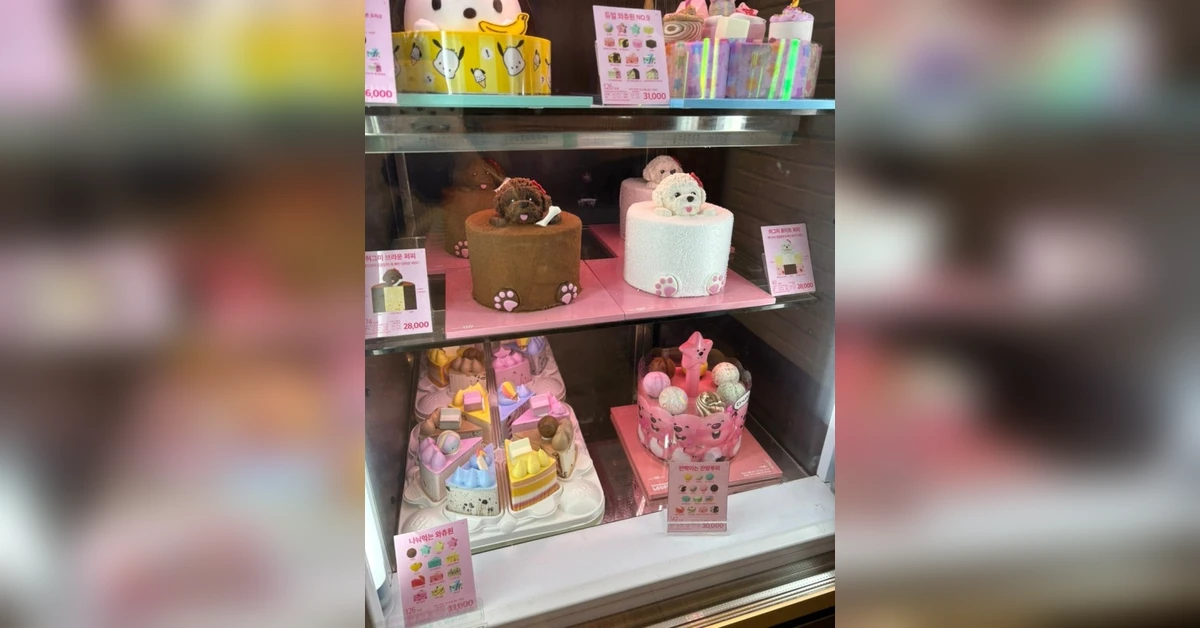
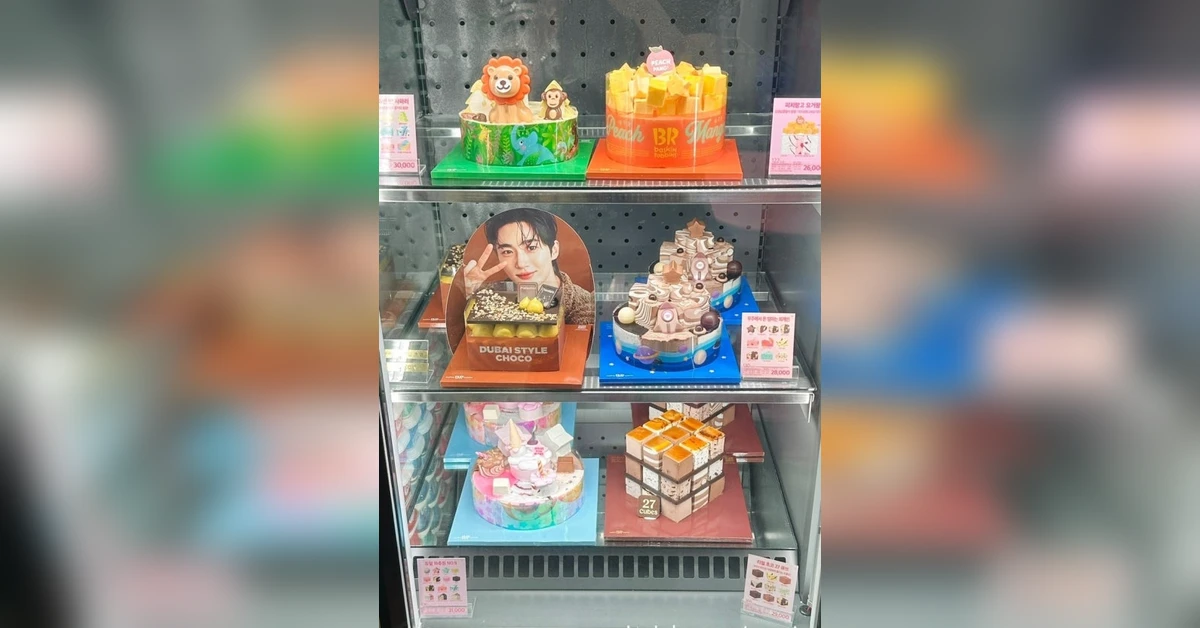
Korean Baskin-Robbins ice cream cakes are a different category of object. They are designed as much as they are assembled. The cakes that fill the display cases in Korean stores are decorated with sculptural frosting elements, handmade sugar details, three-dimensional characters, pastel color palettes, edible flowers, and arrangements of bonbons and mini cones that resemble dessert bouquets more than anything a birthday cake usually aspires to. The visual ambition is genuinely high.
Several specific designs have become iconic enough to be treated as cultural touchstones in Korea. The seasonal cakes — released for Christmas and for major holidays — attract lines and sell out quickly, particularly the limited-edition character collaborations. At various points, the cakes have featured designs tied to Sanrio characters, popular Korean cartoons, K-pop concepts, and seasonal imagery that Koreans return to every year with real anticipation.
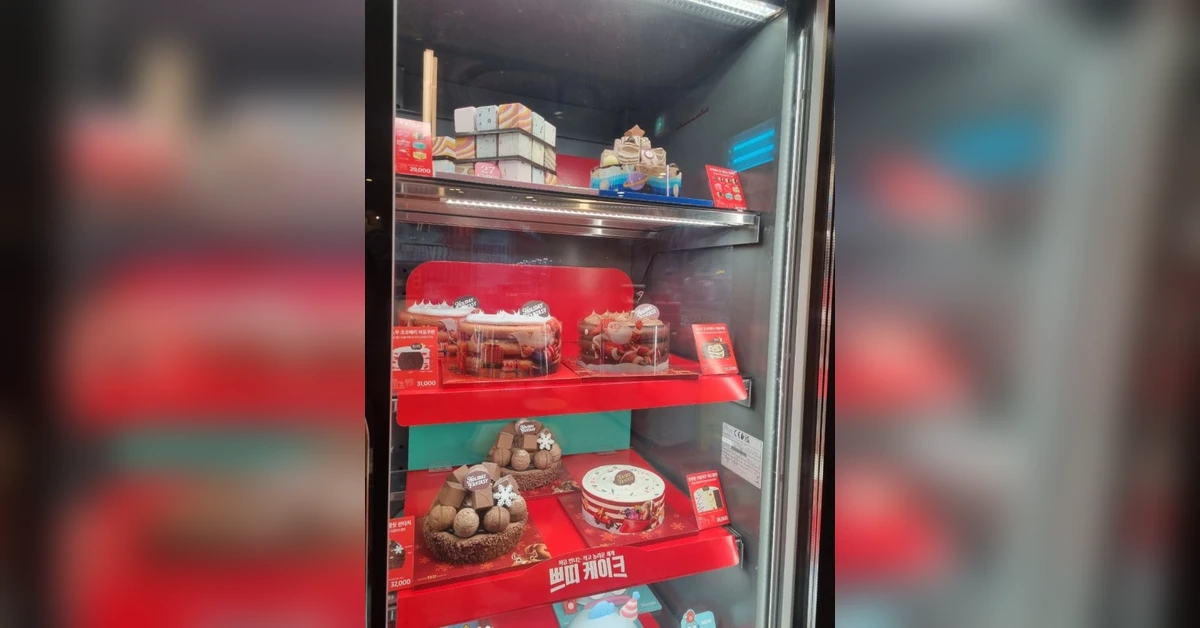
What makes these cakes particularly well-suited to Korean food culture is their combination of flavors. A single Korean Baskin-Robbins cake typically contains multiple ice cream flavors layered within it — often three or more — which means each slice delivers a different combination depending on where it falls. The variety within a single cake reflects the same logic as the Korean dinner table, where multiple dishes provide variety rather than a single centerpiece demanding attention.
The 27-Cube Cake That Went Viral
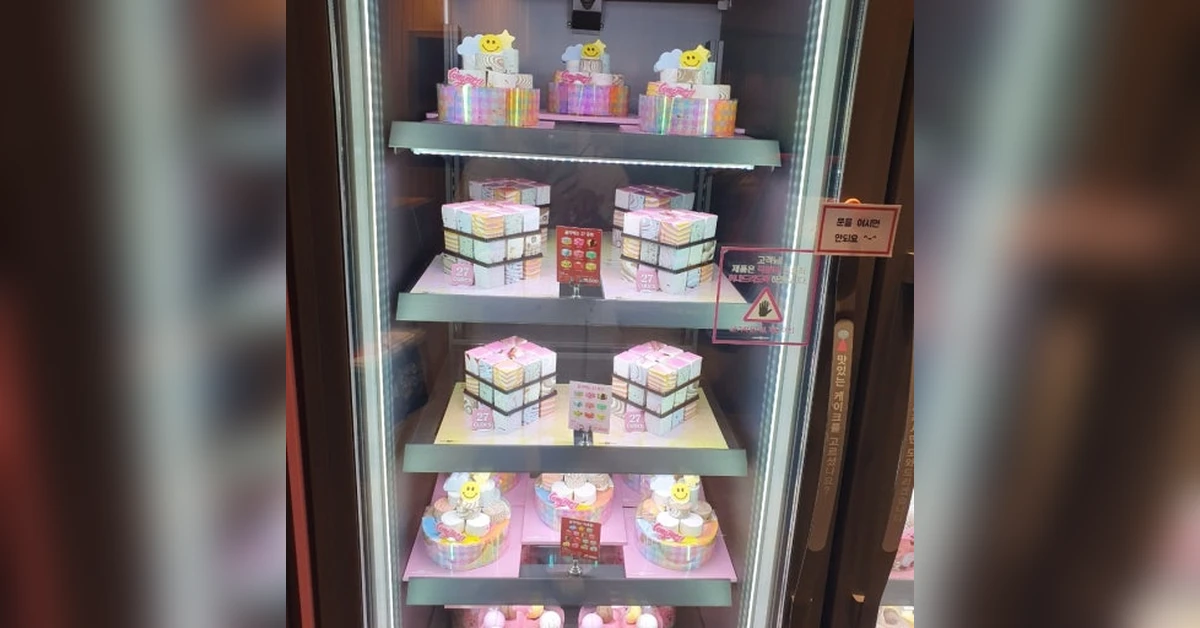
No discussion of Korean Baskin-Robbins cakes is complete without the 27-cube.
This particular product became a global social media moment in late 2023 when videos of it spread across TikTok and Instagram and accumulated tens of millions of views from people who had never been to Korea. The concept is exactly what it sounds like: an ice cream cake assembled from twenty-seven individual cube-shaped scoops of ice cream, arranged in a three-by-three-by-three grid, with nine different flavors represented across the structure.
The visual appeal is obvious — the neatly aligned cubes, each with its own color and stripe pattern, create a composition that photographs exactly as well as it looks in person. But the actual experience of eating it, as any Korean who has had one at a birthday party will confirm, is also genuinely enjoyable: each cube is portioned for a single bite or two, the variety means each person around the table gets something slightly different, and the format makes sharing natural rather than awkward.
The 27-cube is now one of the most recognized Korean food items internationally among younger travelers, which has turned it into something of a pilgrimage item — a specific reason to visit a Baskin-Robbins in Korea rather than just passing by one.
The Flavors Are Uniquely Korean
The global version of Baskin-Robbins operates on a menu of familiar flavors — chocolate, strawberry, vanilla, mint chip, and their variations. In Korea, those flavors are present, but they share the display case with a roster of products that reflect Korean taste preferences in direct and fascinating ways.
엄마는 외계인 — Mom is an Alien — is the brand’s all-time bestseller in Korea. It is a cream-cheese-flavored base with rainbow sherbet swirls, simultaneously sweet, tangy, and fruity in a combination that Korean palates find immediately compelling and that many international visitors find unexpectedly delicious once they stop being confused by the name.
슈팅스타 — Shooting Star — is a cherry-and-soda base with popping candy inside. The crackling texture against the cold creaminess of ice cream is startling the first time and entirely addictive afterward.
The flavors built around Korean food traditions are particularly interesting. Ssal Tteok uses a rice and roasted bean base with actual chewy mochi pieces and crunchy soybean clumps — a flavor that tastes like someone successfully translated the experience of eating injeolmi into ice cream form. Chaltteok Congtteok takes a similar approach with black sesame and roasted soybean notes that land somewhere between dessert and traditional Korean snack.
Sweet corn cheese — a combination that sounds improbable to most Western palates — is a Korean original that reflects the corn-and-cheese food culture that developed in Korea specifically. The sweetness of the corn, the slight tang of cheese, and the familiar creaminess of ice cream turn out to work together well enough that the flavor has become a recurring menu item rather than a novelty.
Monthly specials add another layer of cultural responsiveness to the menu. Korean Baskin-Robbins releases limited-edition flavors tied to current cultural moments — a new animated character, a popular drama, a food trend — with enough regularity that regular customers follow the releases with real interest.
The Store Experience Is Different Too
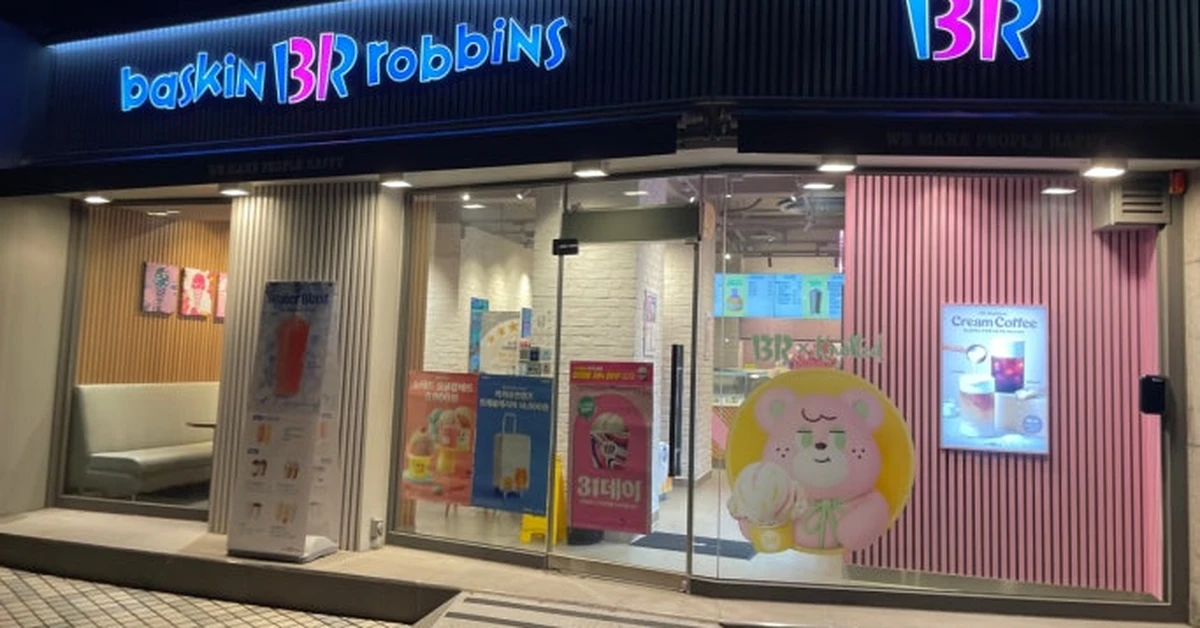
Beyond the products, the physical experience of visiting a Korean Baskin-Robbins differs from what the brand delivers in most other markets.
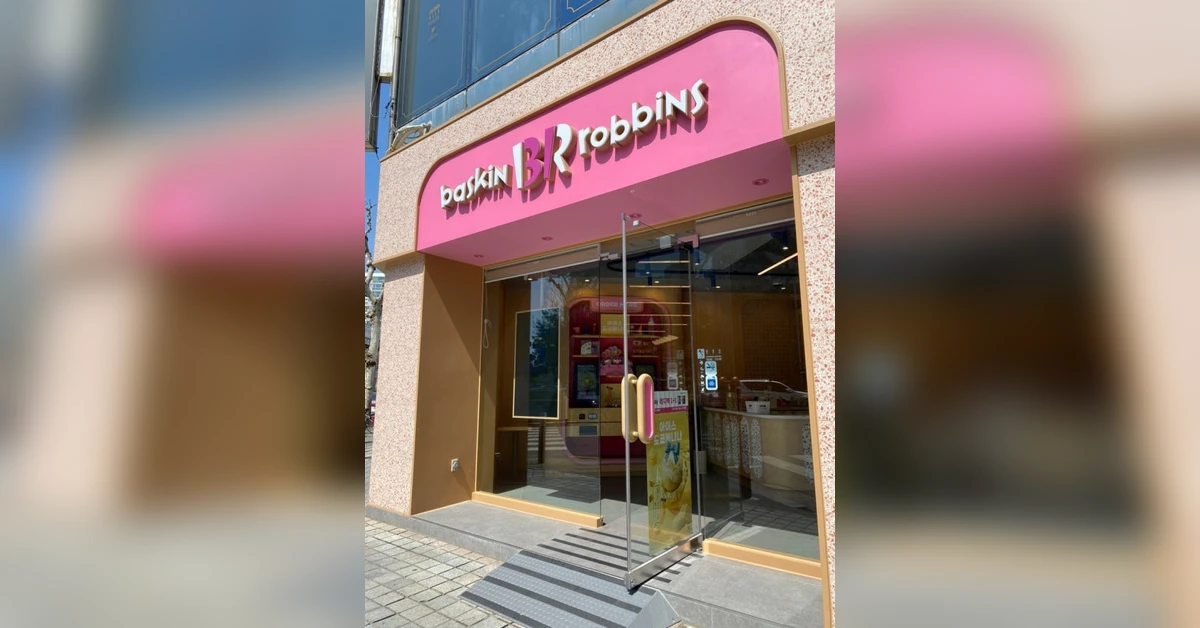
The specialty stores — particularly the Baskin-Robbins Brown concept that has multiple locations in Seoul and other major cities — operate at a design level that bears no resemblance to the friendly pink-and-blue parlor aesthetic of the American original. The interiors are deliberate: art-deco elements, sophisticated lighting, display cases arranged to show product at its best, seating areas that make lingering comfortable. The atmosphere is closer to a dessert boutique than a casual chain.
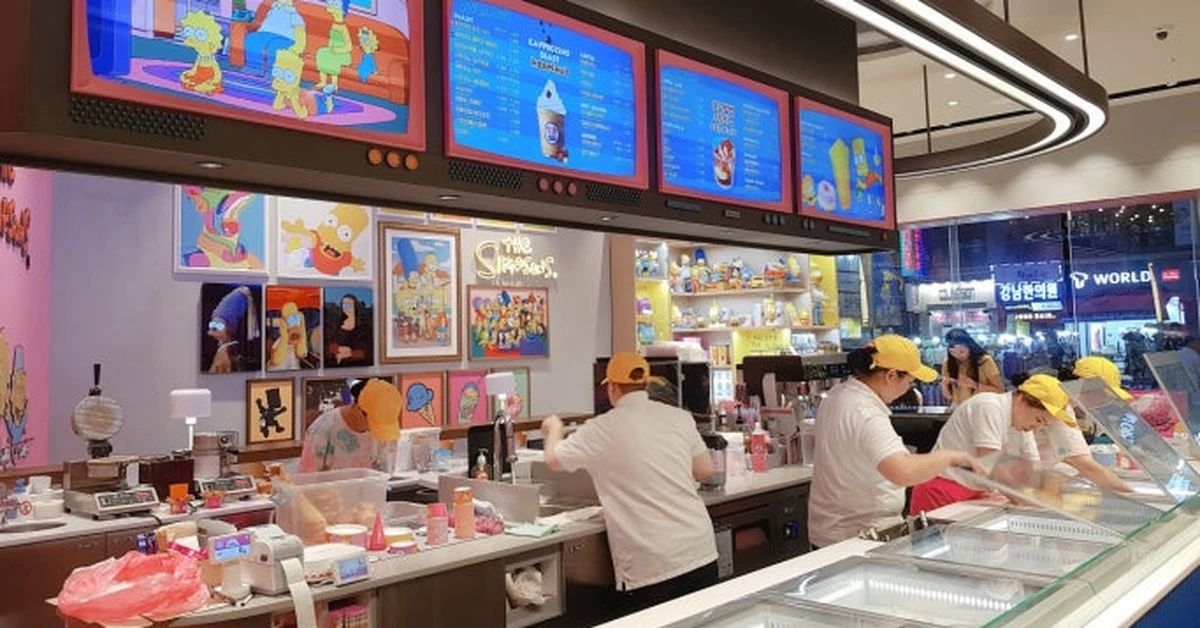
These specialty stores carry up to 100 flavors — compared to the classic 31 of the brand’s American roots — and include tasting menus and fondue sets alongside the standard scoops. An ice cream fondue offering, where a tray of small scoops arrives alongside melted chocolate and an array of toppings, has become a recognizable draw at these locations.
One detail that reliably surprises international visitors to Korean Baskin-Robbins is the dry ice service. Purchase any ice cream to take away — a scoop, a cup, a cake — and tell the staff your approximate journey time. They will package the order in an insulated bag and add the appropriate amount of dry ice to keep everything frozen for exactly as long as you need. This service, offered as standard at virtually every Korean location, does not exist as a routine offering at Baskin-Robbins in most other countries. Once you’ve experienced it, the absence of it elsewhere feels like a genuine gap.
Why Korea Specifically
The question worth asking is why Korea, specifically, developed such an unusually strong relationship with Baskin-Robbins.
Part of the answer is timing. The brand arrived in Korea during a period of rapid economic development when Western brands carried significant aspirational value, and it was positioned from the beginning as a slightly premium treat rather than everyday convenience food. Ice cream at Baskin-Robbins in Korea became associated with celebrations — birthdays, good exam results, family outings — in a way that gave the brand emotional resonance that goes well beyond the product itself.
The ice cream cake connection is especially strong. In Korea, the Baskin-Robbins ice cream cake has become one of the default birthday cakes for many families — partly because of the quality and visual appeal, partly because the multiple-flavor format accommodates different preferences within a single family, and partly because the brand releases seasonal designs that feel genuinely special. The Korean ice cream cake design approach proved so successful that Baskin-Robbins headquarters has reportedly exported some of the design concepts developed in Korea to other markets.
Part of the answer is also that Korean consumers are, as a general rule, highly demanding about product quality and presentation — and Korean Baskin-Robbins has responded to that by maintaining rigorous quality standards and continuing to innovate rather than resting on the brand’s existing reputation.
What This Means for Visitors
For anyone visiting Korea, Baskin-Robbins is worth at least one stop — not because it needs to be on a food itinerary alongside the galbi and the bibimbap and the street food, but because it offers something genuinely interesting as a cultural observation.
This is what happens when a global American brand is handed to a market with its own strong food culture, its own aesthetic sensibility, and its own expectations about what a dessert experience should be. The result is not Korean ice cream pretending to be American, and it’s not American ice cream sold in Korea unchanged. It is a third thing — a product that could only exist in the specific creative and cultural conditions of Korea, and that has looped back around to influence the brand’s global direction.
The 27-cube cake did not go viral because it was flashy. It went viral because it was very good at being exactly what it set out to be. That’s the whole story of Korean Baskin-Robbins, really, in miniature.
Have you tried Korean Baskin-Robbins — the cakes, the flavors, or the dry ice experience? Which flavor surprised you most? Tell us in the comments.