The 4th Generation of K-POP: TikTok, Performance, and Global Competition
The fourth generation of K-pop marks a fundamental shift in how idols are created, promoted, and evaluated.
This era is defined not by a single global breakthrough, but by constant competition within a fully globalized system.
If the third generation opened the world to K-pop, the fourth generation was born inside that world.
When the 4th Generation Began
The fourth generation is generally considered to begin in the late 2010s, as the global K-pop infrastructure was already in place.
Unlike earlier generations:
- International audiences existed from debut
- Digital platforms determined visibility
- Competition was immediate and global
Groups were no longer growing toward globalization.
They were expected to operate globally from day one.
Platform-Centered K-POP
The most defining feature of the fourth generation is its reliance on platforms.
Algorithms as Gatekeepers
Discovery is driven by:
- YouTube recommendations
- TikTok trends
- Short-form performance clips
Visibility is no longer controlled by broadcast schedules, but by algorithmic momentum.
Short-Form Performance Culture
Songs are often designed with:
- Highlight choreography moments
- Repeatable “challenge” sections
- Visual impact within seconds
This has reshaped both music production and choreography design.
Performance as the Core Identity
Fourth-generation groups are often described as performance-first idols.
Key traits include:
- Extremely complex choreography
- High synchronization standards
- Strong stage presence even at debut
Training systems adapted accordingly, placing heavier emphasis on dance and physical conditioning.
Representative 4th Generation Groups
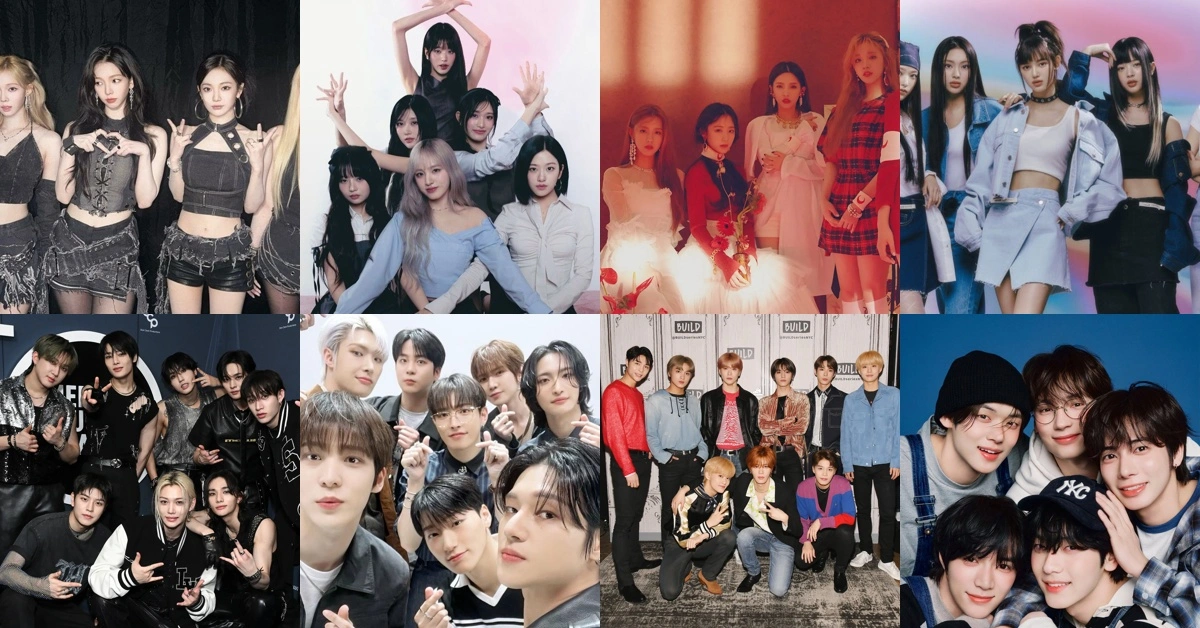
Several groups are consistently cited as defining the fourth generation.
- Stray Kids
Known for self-production, aggressive sound, and strong global touring presence. - ATEEZ
Built an international fandom early through performance intensity and touring. - TXT
Emphasized narrative concepts and emotional storytelling for younger audiences. - ITZY
Delivered performance-heavy songs with themes of self-confidence and identity. - IVE
Represented a shift toward strong branding, confidence, and immediate public recognition.
These groups illustrate how diverse strategies coexist within the same generation.
Competition Without a Single Center
Unlike earlier generations, the fourth generation does not have one dominant global symbol.
Instead:
- Multiple groups succeed simultaneously
- Charts vary by platform and region
- Success is fragmented but constant
This has led to debates about hierarchy, influence, and even whether generational labels still apply.
Fandom Behavior in the 4th Generation
Fourth-generation fandoms are highly organized and data-driven.
Fans actively monitor:
- Streaming numbers
- Chart rankings
- Platform engagement
Campaigns are launched globally and instantly, often coordinated across multiple platforms at once.
Criticism and Controversy
The fourth generation has not been without criticism.
Common concerns include:
- Music becoming secondary to performance
- Overemphasis on metrics and numbers
- Shorter attention spans driven by algorithms
These debates reflect anxiety about sustainability in a hyper-competitive environment.
Industry Adaptation and New Standards
Entertainment companies responded by:
- Debuting idols younger
- Shortening comeback cycles
- Expanding pre-debut content
The line between trainee and idol became increasingly blurred.
Why the 4th Generation Matters
The fourth generation represents K-pop in its most optimized and competitive form.
It shows what happens when:
- Globalization is assumed
- Platforms dictate visibility
- Performance becomes language
This generation did not invent global K-pop—but it normalized it.