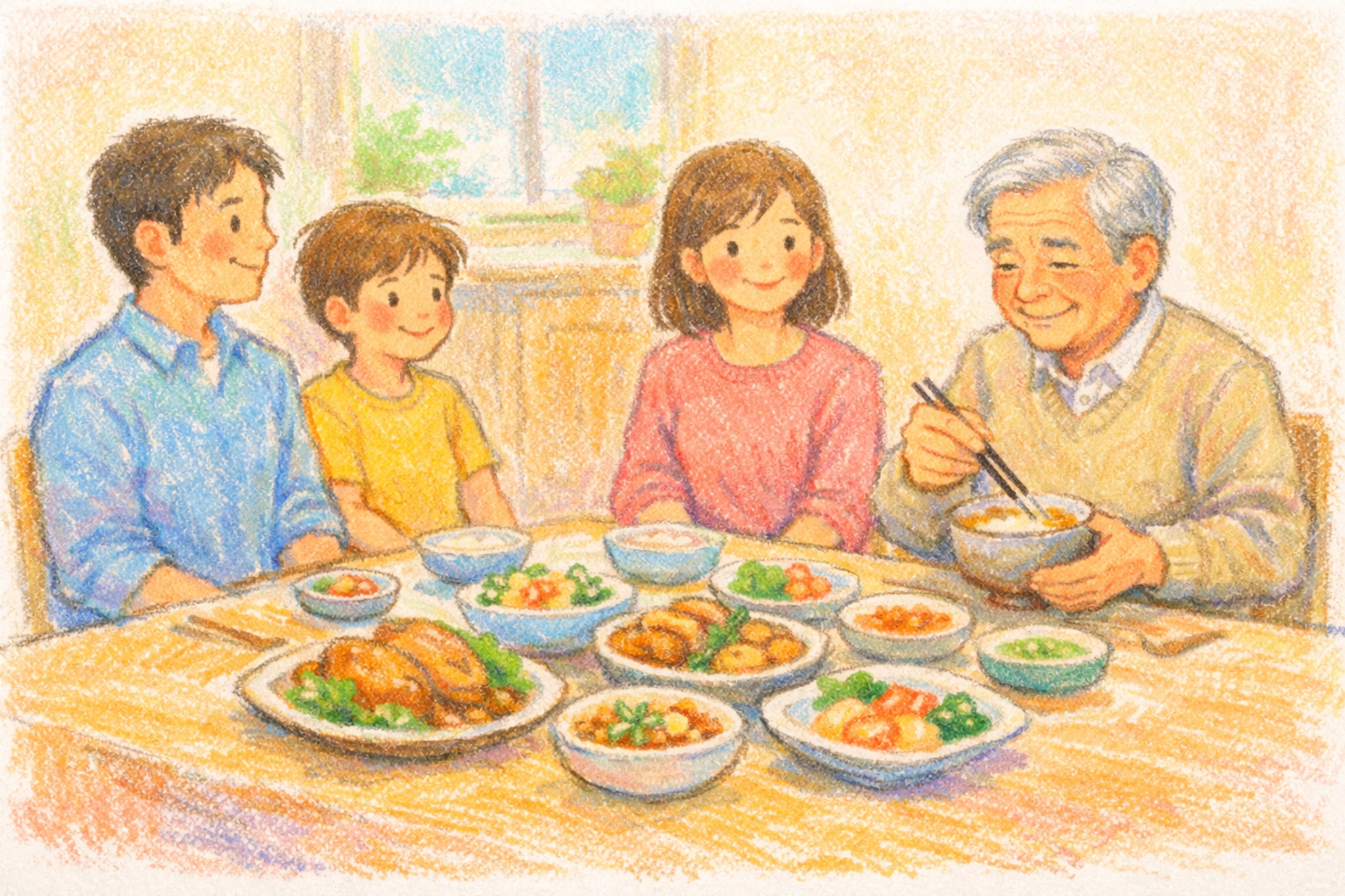
Pastel crayon illustration of a family sitting at a dining table, waiting respectfully as the eldest man begins the meal

The Quiet Rule at Korean Dining Tables

The Moment Before the First Spoon At a Korean table, there is often a pause. The food has arrived. Steam rises. The spoons are laid out within reach. Everyone is seated. No one is eating yet. Someone is waiting. To outsiders, the delay can feel unnecessary, even inefficient. The food will cool. People are hungry.

Flat crayon-style illustration of a foreign customer offering money to a Korean restaurant worker who politely refuses a tip, shown with a “Tip X” speech bubble.

Why Tipping is Uncommon in Korea

Why Koreans Do Not Accept Tips For many visitors, the moment arrives unexpectedly. The meal is over. The service was attentive. Someone stood nearby, ready to clear the table or bring the receipt. You reach for your wallet and add a little extra, just to be polite. Just to say thank you. And then the
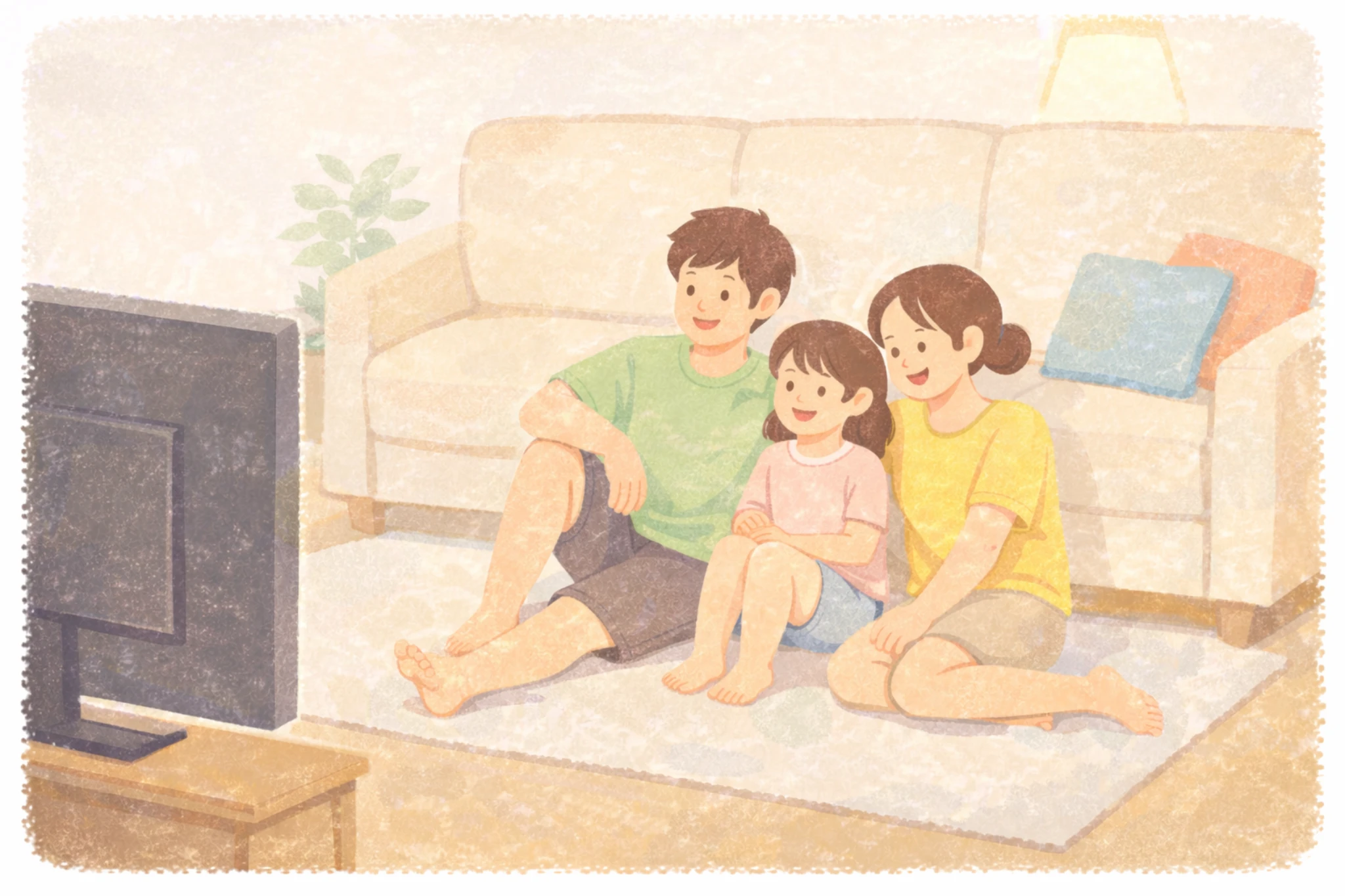
A barefoot family sitting on the living room floor, leaning against a sofa while casually watching TV together at home.

Why Koreans Don’t Wear Shoes Indoors

Why the Question Itself Feels Slightly Off Sometimes a question arrives already leaning in the wrong direction.“Why do Koreans wear shoes inside the house?” is one of those questions. For many Koreans, the sentence causes a brief pause. Not confusion exactly, but a small hesitation, like noticing a chair placed slightly too close to the

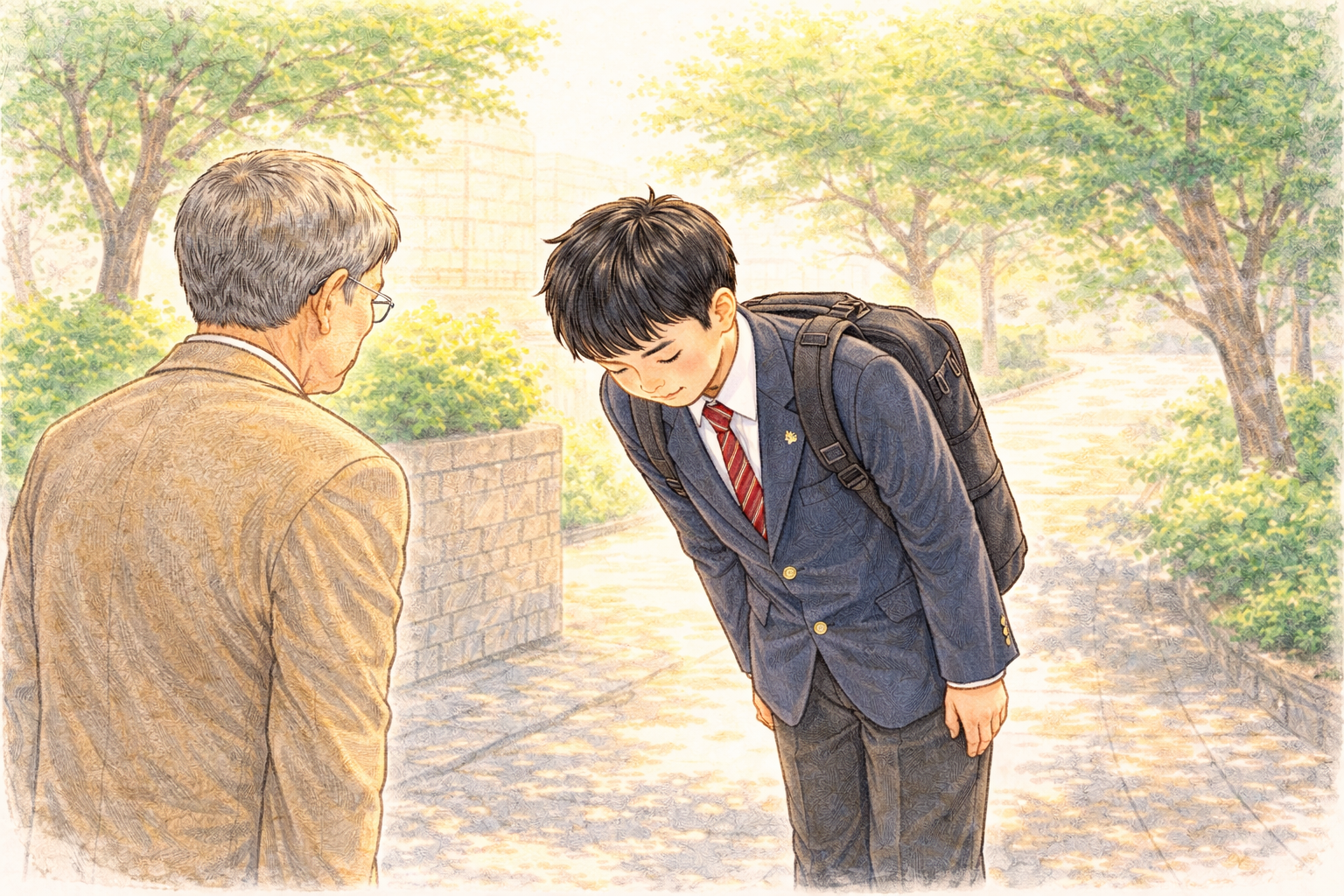
The Role of Bowing in Korean Communication

The Small Movement That Comes First Before words, the body moves. A slight bend of the neck.A pause.Eyes lowering, just briefly. Sometimes the bow is deep. Sometimes it barely exists. But it happens so often that many Koreans don’t register it as a choice. They just do it. To someone unfamiliar, this constant lowering of

Why Koreans Say ‘I’m Dying’ Without Context

The First Thing People Say Sometimes the day hasn’t even started yet. You open the door. You sit down. You put your bag on the chair. And the first sound that comes out is not a greeting, not a complaint, not a story. It’s just: “Aigo, I’m dying.” (아이고 죽겠다) No one looks up. No