Why Koreans Avoid Direct Eye Contact

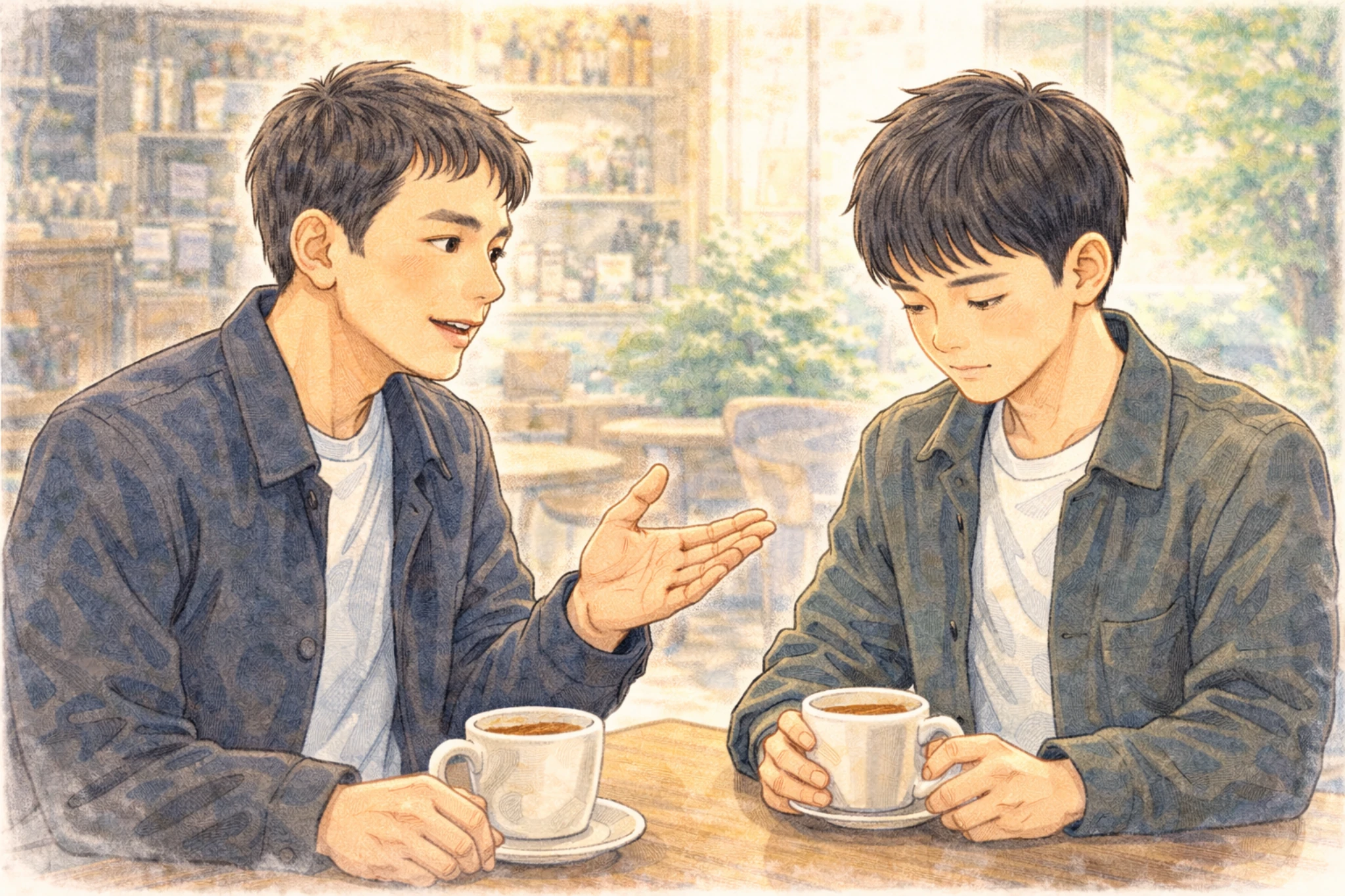
Why the Eyes Often Look Away For many people visiting Korea, one moment feels quietly confusing.You are speaking. The words are polite, the tone is calm, but the other person’s eyes drift away. Not dramatically. Not in a way that signals boredom or avoidance. Just slightly to the side. Down. Anywhere but directly at you.
The Role of Bowing in Korean Communication

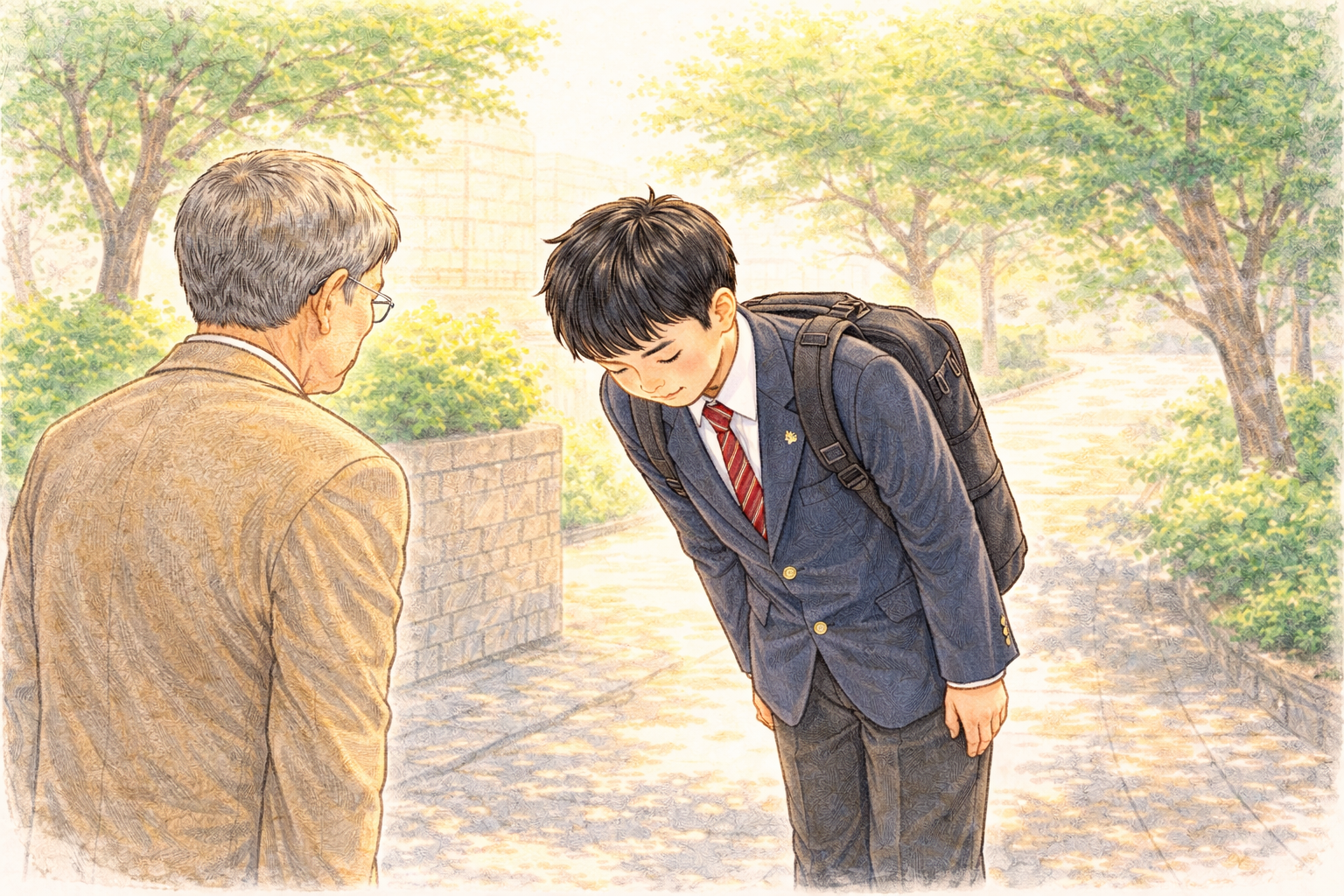
The Small Movement That Comes First Before words, the body moves. A slight bend of the neck.A pause.Eyes lowering, just briefly. Sometimes the bow is deep. Sometimes it barely exists. But it happens so often that many Koreans don’t register it as a choice. They just do it. To someone unfamiliar, this constant lowering of

The Dynamics of Bill Payment in Korean Culture

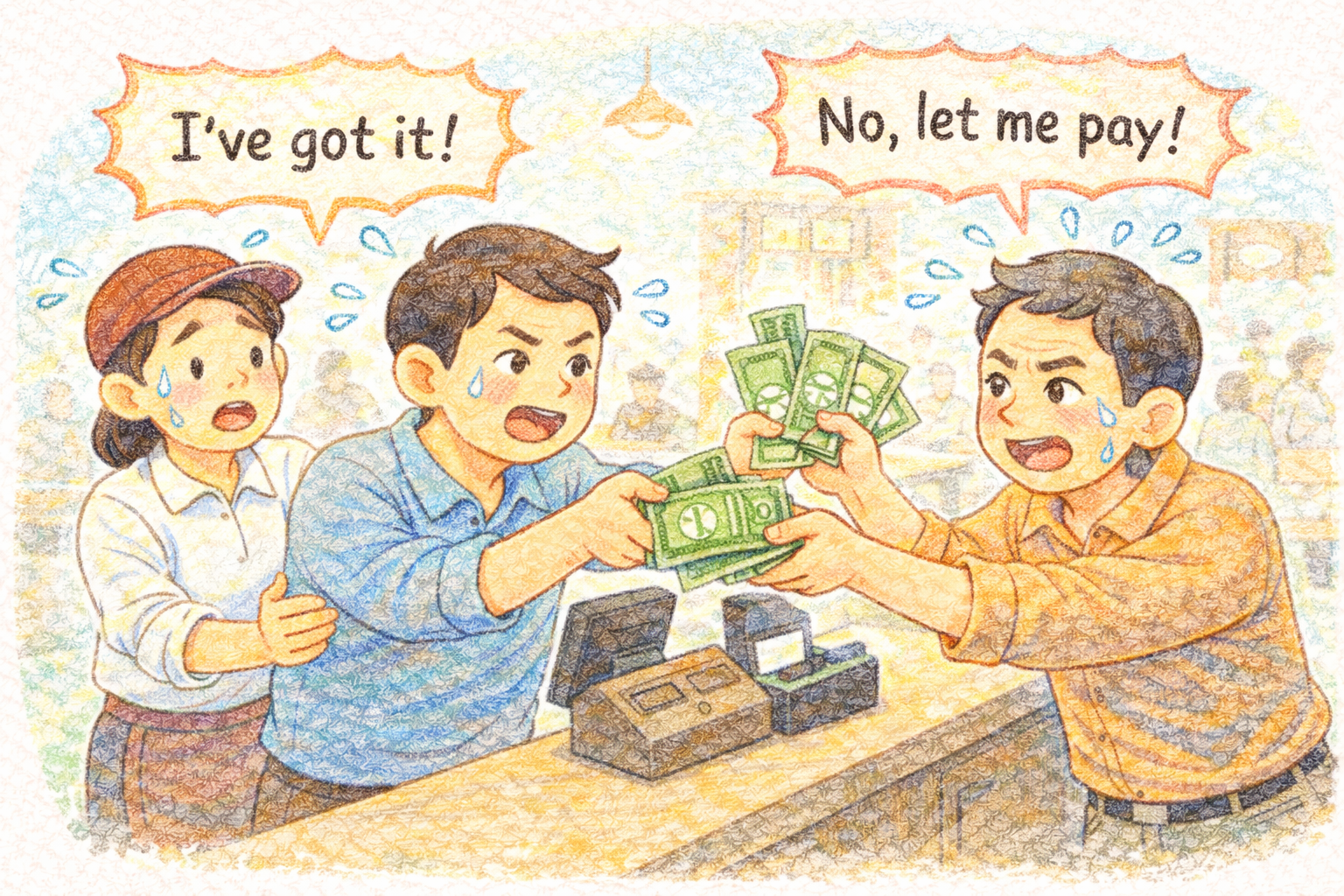
The Awkward Moment at the End of the Meal The food is gone.The table is quiet for a second. Then someone reaches for the bill. Immediately, another hand moves faster. “No, I’ll pay.” (내가 낼게)“No, no, I will.” (아니야, 내가 낼게) Voices overlap. Hands block each other. The cashier waits, already familiar with this scene.

Understanding the Korean Proverb ‘꿩 대신 닭’

There is a quiet realism embedded in the Korean proverb “꿩 대신 닭.”Literally, it means “a chicken instead of a pheasant.” The pheasant is better—tastier, rarer, more desirable. The chicken is ordinary. But when the pheasant isn’t available, you don’t walk away hungry. You take the chicken. Koreans use this expression when an ideal option

Understanding the Korean Proverb on Collaboration

The Korean proverb “백지장도 맞들면 낫다” sounds almost understated.A single sheet of paper is light. Too light, you might think, to need help. And yet the proverb says: even that is better when lifted together. This saying is used not only when work is physically demanding, but when it feels mentally heavy, emotionally tiring, or

Understanding the Korean Proverb: Whales and Shrimp

There is a Korean proverb that paints a very clear picture: “When whales fight, the shrimp’s back breaks.”It is vivid, almost unfairly so. Whales are massive, dominant, and barely aware of anything smaller than themselves. Shrimp, on the other hand, are fragile and incidental. They are not part of the fight, yet they suffer the

Why Koreans Say ‘I’m Dying’ Without Context

The First Thing People Say Sometimes the day hasn’t even started yet. You open the door. You sit down. You put your bag on the chair. And the first sound that comes out is not a greeting, not a complaint, not a story. It’s just: “Aigo, I’m dying.” (아이고 죽겠다) No one looks up. No

The Cultural Significance of Call Buttons in Korea

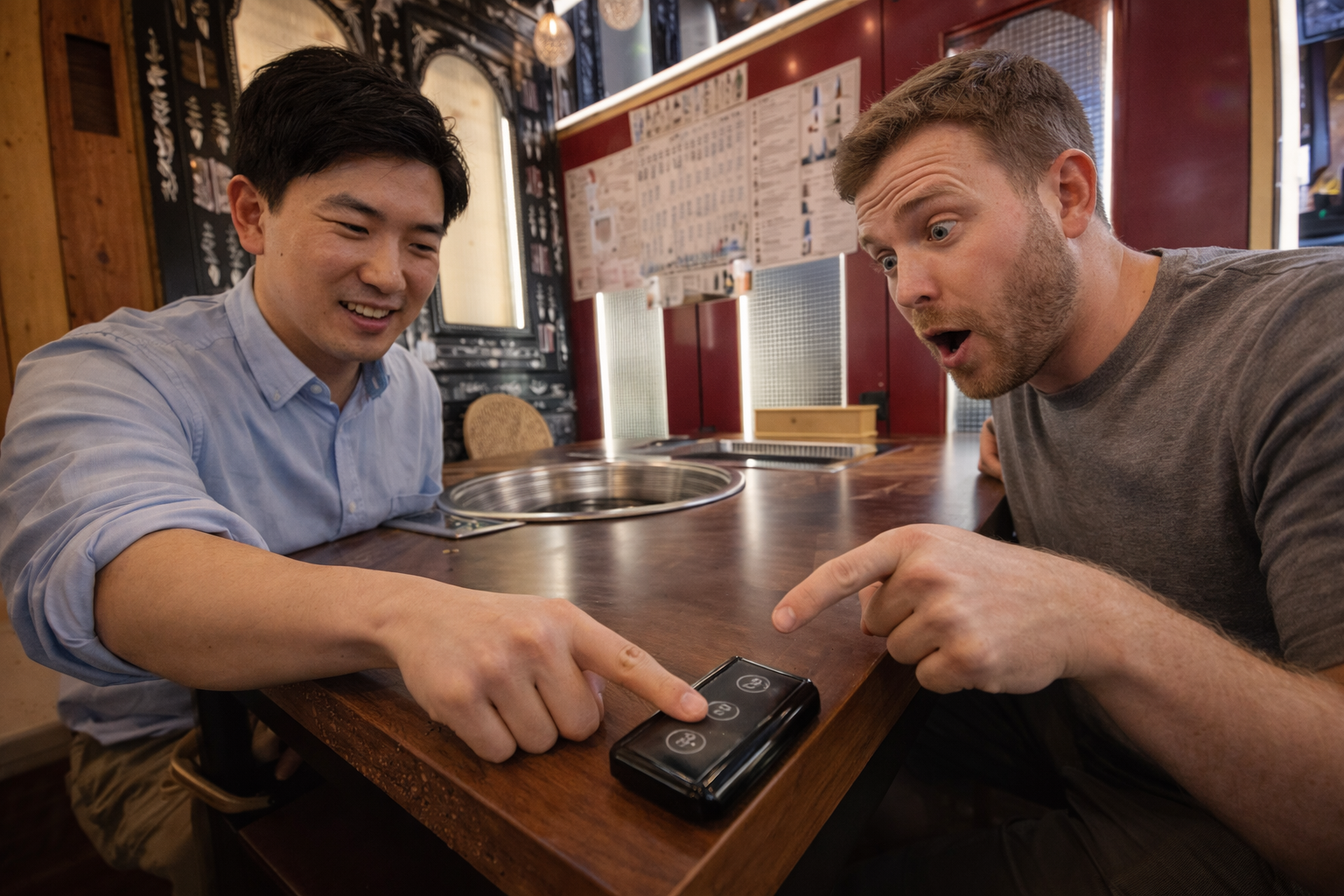
The Small Button on the Table Some visitors notice it before the menu.Others only realize it after sitting for a while, wondering why no one seems to be trying to get the server’s attention. A small plastic button sits on the table. Sometimes it is square, sometimes round. It may blink faintly. It may not.

Singles Inferno 5: Introducing the Most Talked-About Love Triangle

As a Korean dating reality show, Singles Inferno 5 has once again captured global attention.This season, one particular emotional storyline stands out — the subtle yet intense love triangle involving Lim Subin, Park Heeseon, and Choi Mina-su. For international viewers curious about Korean dating shows and modern relationship dynamics, these three contestants perfectly represent why