Jeju Oreum Guide: The Best Volcanic Hikes You Can’t Miss in 2026
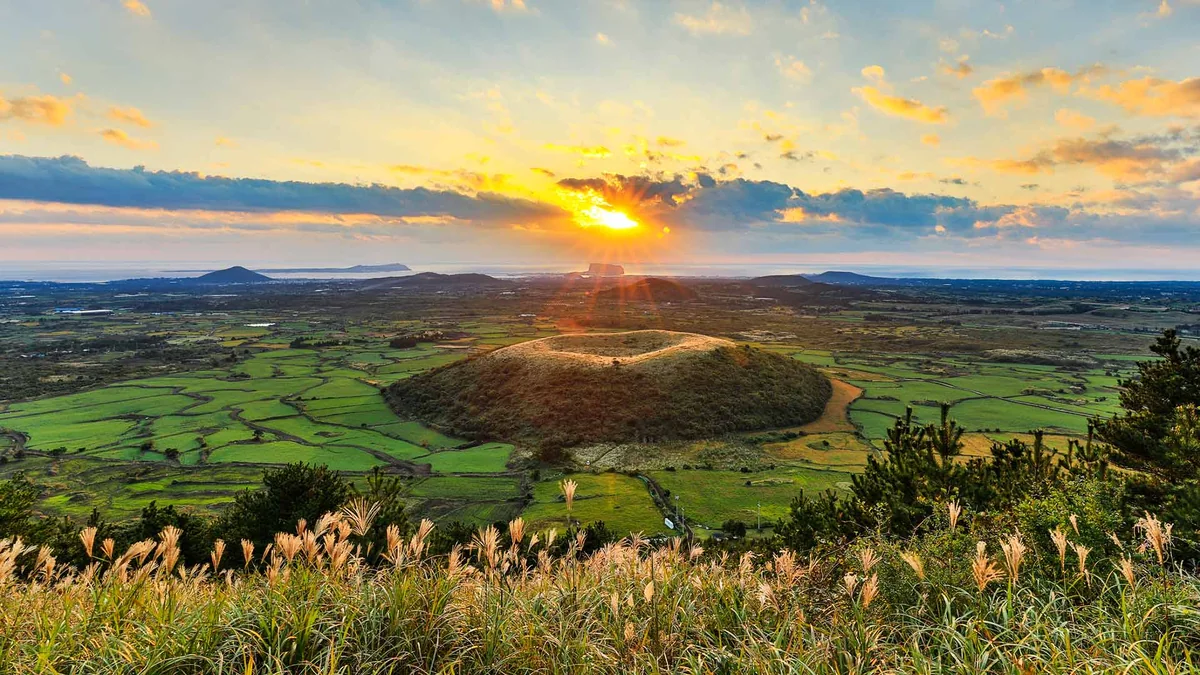
If you’ve ever flown into Jeju and looked out the window, you might have noticed something unusual — dozens of small, rounded hills dotting the landscape like giant green mounds scattered across the island. Those aren’t just hills. They’re oreum, and they’re one of the most quietly magical things you can explore on the island.
Honestly, most travelers skip them. They head straight for Hallasan, Seongsan Ilchulbong, or the famous beaches. And while all of those are absolutely worth your time, the oreums offer something a little different — a slower, more personal kind of discovery that sticks with you long after the trip is over.
So let’s take a proper look at what oreums actually are, why they’re worth your afternoon (or your sunrise alarm), and which ones you’ll want to add to your Jeju itinerary this year.
What Is an Oreum, Exactly?
The word oreum comes from the Jeju dialect and refers to the island’s parasitic volcanic cones — smaller secondary volcanoes that formed around the base of Hallasan Mountain over millions of years. There are over 360 of these hills on Jeju, and you’ll find them scattered throughout the island, from the coast all the way up the slopes of Hallasan Mountain.
Most oreums sit somewhere between 50 and 100 meters above the surrounding area. They’re often quite steep, but they tend to have well-defined paths, stairs, and barriers that make them very manageable even for casual hikers. Most trails take anywhere from 20 minutes to an hour, which makes them perfect for squeezing into an already-packed travel schedule.
There’s also a lovely bit of Jeju folklore attached to them. According to local legend, the goddess Seolmundae Halmang was creating Jeju Island when lumps of soil fell from her skirt — and those lumps became the oreums scattered across the land. Whether or not you believe in creation myths, it’s a beautiful image that somehow makes hiking one feel a little more meaningful.
Why Oreums Deserve a Spot on Your Itinerary
Here’s the thing about Jeju’s popular spots — they’re popular for a reason, but they also come with the crowds to match. Seongsan Ilchulbong at sunrise? Spectacular, yes. Standing shoulder to shoulder with 300 other people while the sun rises? A little less so.
Oreums are different. Many of them feel like they belong to you for the hour or so you’re there. You get sweeping views, clean air, wildflowers or silver grass depending on the season, and that rare feeling of being somewhere genuinely beautiful without anyone jostling for the same photo angle.
The oreums are all very short hikes of around 30 to 90 minutes, and nearly all have a great view at the top — which makes them ideal for families, older travelers, or anyone who wants a rewarding walk without committing to a full-day expedition.
Plus, they change with the seasons. Silver grass turns golden in autumn. Wildflowers bloom in spring. Misty mornings in summer create an almost cinematic atmosphere at the higher ones. There’s no bad time to visit — just different versions of beautiful.
5 Oreums Worth Getting Out of Bed For
1. Saebyeol Oreum — The Golden Hour Favourite
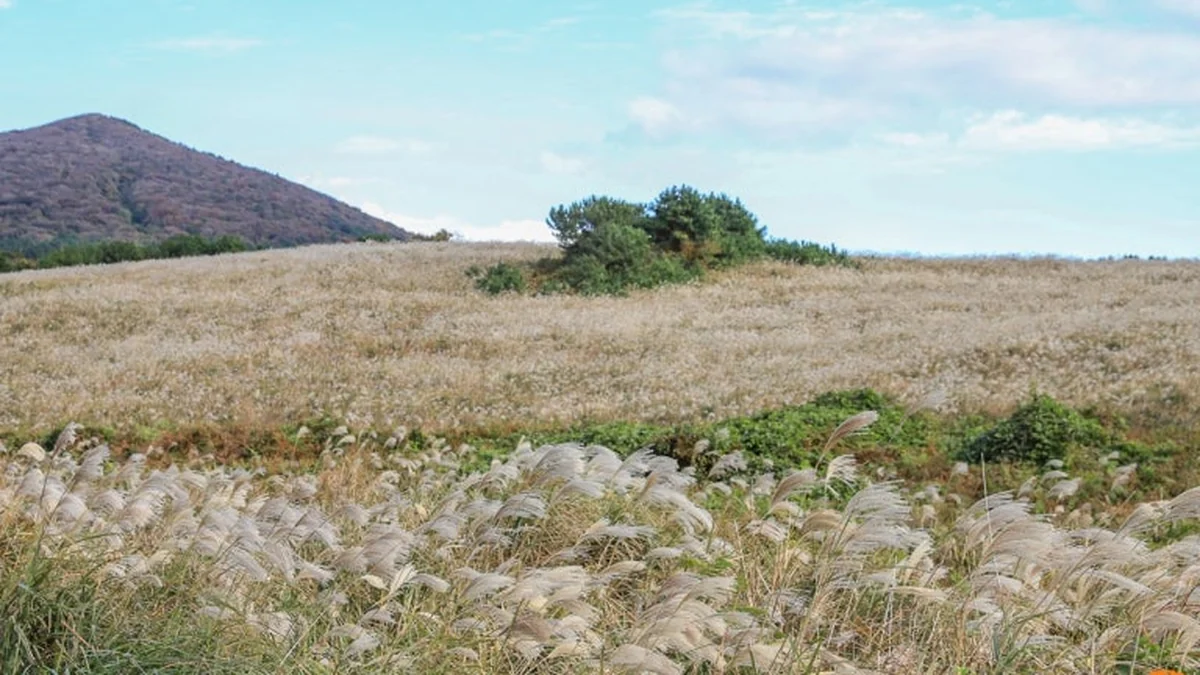
If there’s one oreum that photographers keep coming back to, it’s Saebyeol. Located in the western part of Jeju in Aewol, this oreum is particularly well-known in autumn when its silver grass turns golden in the sunset, and the views stretch all the way out to Biyangdo Island. You’ll also find a “Lonely Tree” near the top — a single windswept pine that’s become one of Jeju’s most-photographed natural subjects.
The trail itself is steeper than it looks from the base, but there’s a gentler path on the right side if you’d prefer a slower ascent. Allow about 30 minutes for the round trip, and try to time your visit for late afternoon. The light at that hour is absolutely something else.
2. Darangshi Oreum — For Early Risers and Cloud Chasers
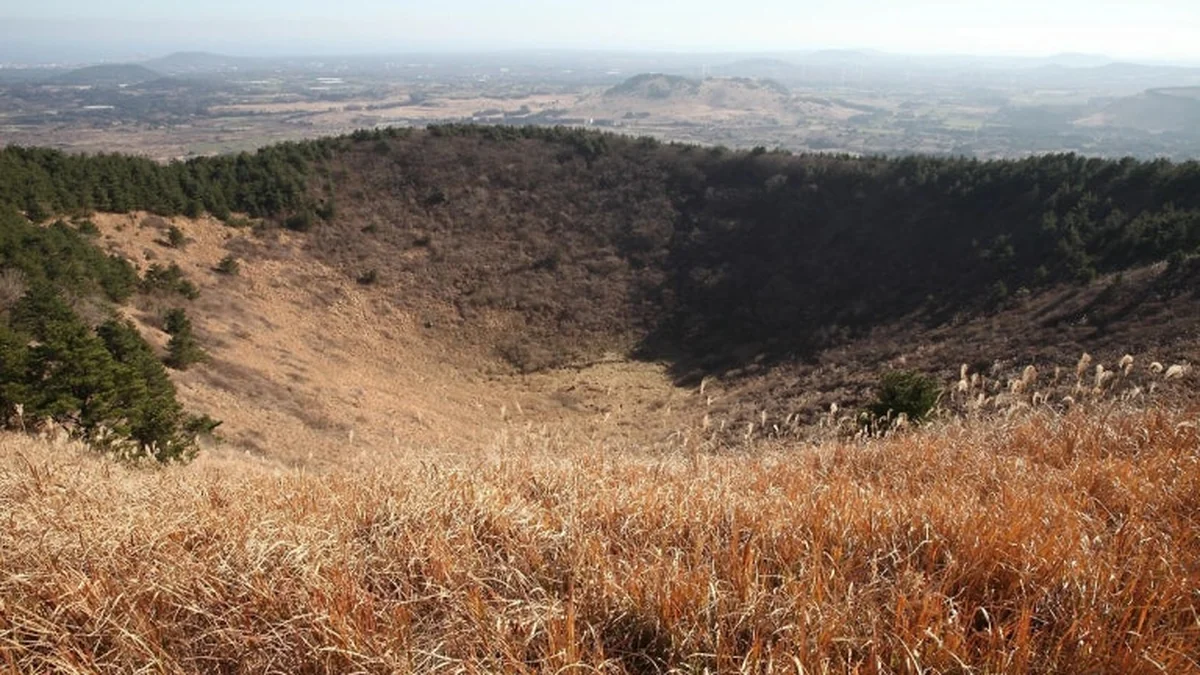
Darangshi Oreum, sitting in the eastern part of Jeju, is known for its dramatic sunrise atmosphere. On misty mornings, a sea of clouds stretches out below the summit — one of those views that feels genuinely surreal.
At 380 meters above sea level, it offers views of Seongsan Ilchulbong, Udo Island, and Hallasan Mountain on clear days. The hike is moderate with a steeper incline than some of the easier oreums, but the crater at the top gives it a distinctly volcanic character that’s hard to find elsewhere. Bring water, wear decent shoes, and set that alarm a little earlier than you think you need to. You won’t regret it.
3. Yongnuni Oreum — The Dragon’s Eye View
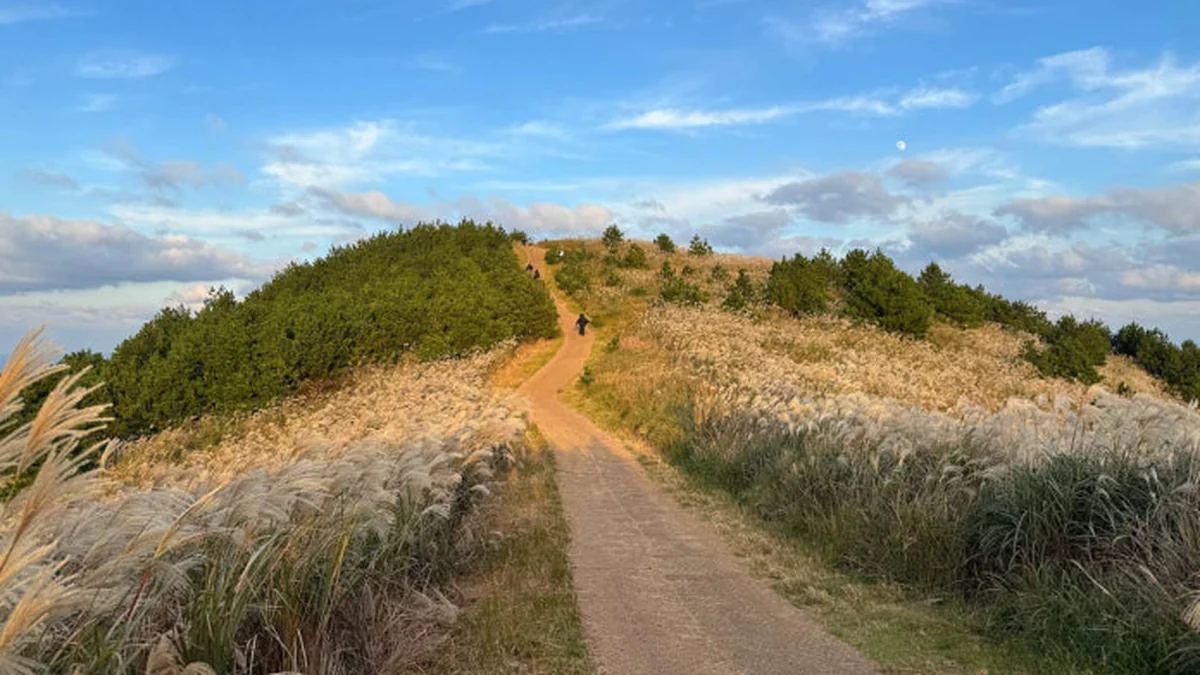
Yongnuni Oreum in Seongsan is often called the “viewpoint oreum” of Jeju — once you reach the summit, you’re rewarded with a sweeping panorama of Seongsan Ilchulbong and the east coast. The name translates roughly to “Dragon Eye Hill,” a reference to its shape when viewed from above.
The slope is gentler than many other oreums, making it a great choice if you’re hiking with family or prefer a more leisurely pace. The hike takes about 30–40 minutes round trip, and the views from the top are genuinely some of the best you’ll find in eastern Jeju. Early morning visits are especially rewarding — the light catching the coast is the kind of thing you remember for years.
4. Geomun Oreum — The UNESCO-Listed Hidden Gem
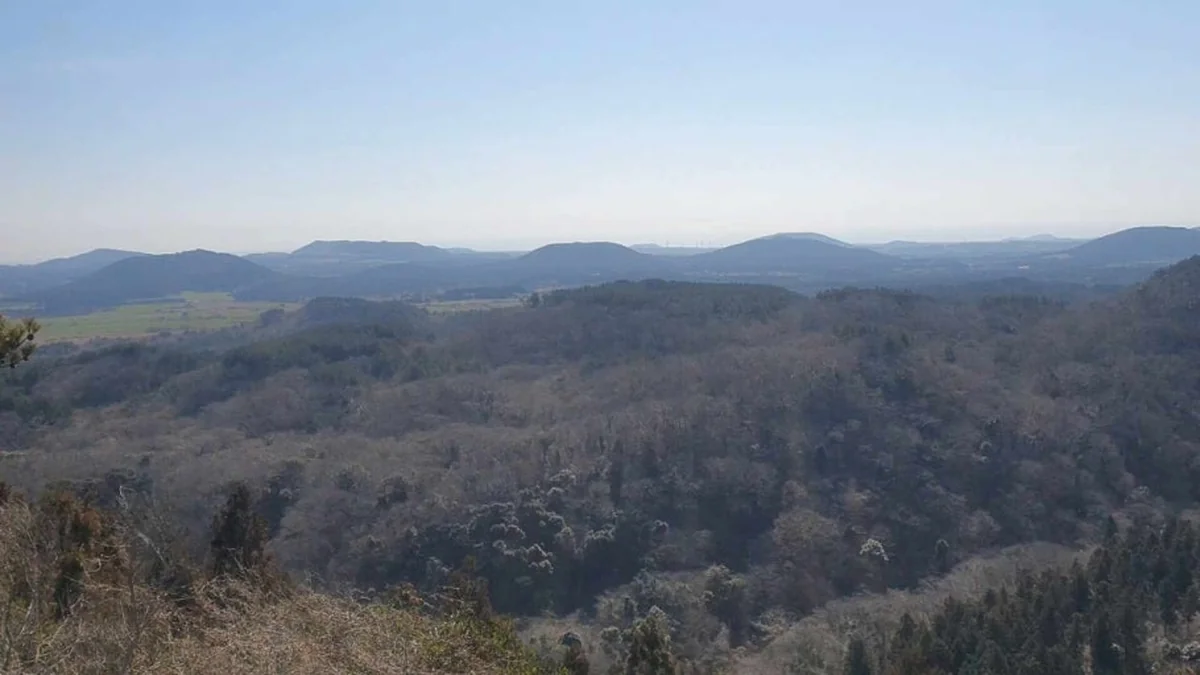
Geomun Oreum has earned UNESCO designation and features beautifully maintained trails that span what are known as its “dragon peaks.” Visitor numbers are limited to 300 per day, strictly enforced on a reservation basis — so you’ll need to plan ahead, but that limit is exactly what makes the experience so good.
The trails wind through dense cedar forest that feels almost otherworldly. The word “Geomun” means both “dark” and “sacred” — a nod to the thick forest canopy that blocks the light and gives the mountain its ancient, hushed character. It’s one of the few oreums that feels like a full hiking experience rather than a quick viewpoint visit.
Book your reservation through the official Jeju tourism channels well in advance, especially if you’re visiting during peak season.
5. Saebyeol Oreum at Abu — For the Crowd-Avoiders
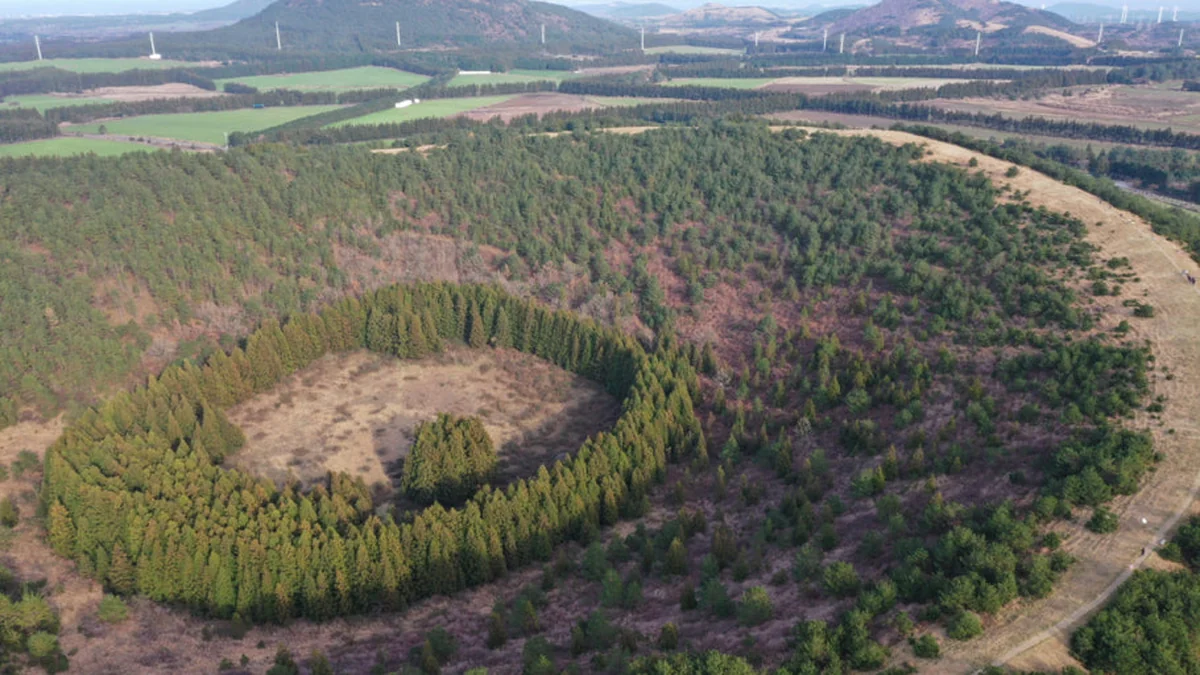
Abu Oreum, tucked near Namwon-eup in southeastern Jeju, is less crowded than most of its counterparts — wide open grass fields, a quiet trail, and an atmosphere that’s perfect for solo travelers or anyone who just wants a peaceful walk without the crowds.
You reach the peak in about five minutes from the entrance, but the full loop around the crater takes closer to an hour. It’s the kind of place where you can sit at the top for a while without feeling rushed. Sometimes that’s exactly what a trip needs.
Practical Tips Before You Go
When to visit: Oreums are worth visiting year-round, but autumn (September–November) is particularly special for the silver grass, and spring brings wildflowers. September is especially recommended for oreum hiking, with some of the best atmospheric conditions of the year.
What to wear: Comfortable walking shoes with grip are a must — some paths are steep and can be slippery after rain. Layers are always a good idea, as the summits tend to be windier than the base.
Getting there: Most oreums don’t have extensive English signage, so it helps to save the Korean name and address in Kakao Maps or Naver Maps before you head out. Searching for “오름” in Kakao Maps will bring up most of the accessible oreums near your location — a simple trick that saves a lot of confusion.
Reservations: A small number of oreums — Geomun Oreum being the main one — require advance reservation. Check the Jeju Tourism Information Center or their official website before visiting.
Timing: For sunrise oreums, arrive at least 30 minutes before the sun comes up. For sunset views, be there an hour before golden hour to find your spot and settle in.
One Last Thing
There’s a reason people who visit Jeju keep talking about the oreums even years later. It’s not just that they’re beautiful — though they absolutely are. It’s that they feel earned in a small way. A 30-minute climb, a few deep breaths of salt-tinged island air, and then suddenly: the whole of Jeju laid out in front of you.
That feeling doesn’t require a full day of hiking or a UNESCO bucket list mindset. It just requires showing up, lacing your shoes, and walking uphill for a little while.
Jeju is full of experiences like that, if you know where to look. The oreums are one of the best places to start.
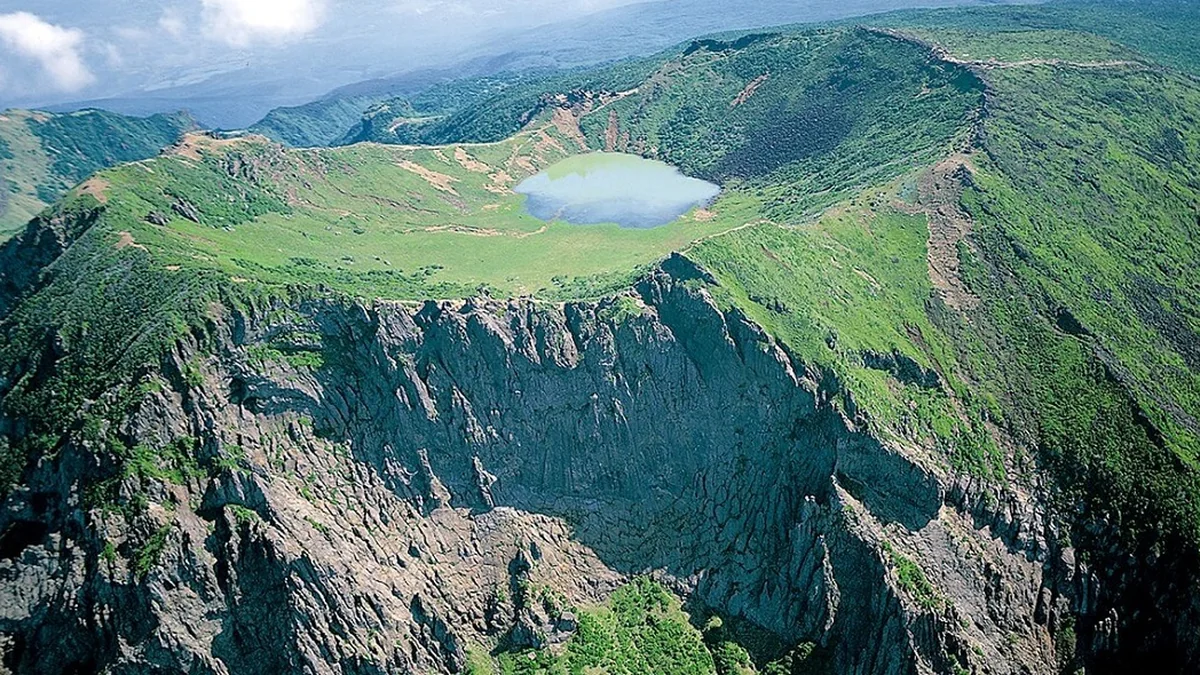
Have you hiked any of Jeju’s oreums? Drop your favourite in the comments — I’d love to hear which one stood out for you.