Haeridangil Street Busan: The Coolest Neighborhood You Didn’t Know Was Right Behind Haeundae Beach
Most people who visit Haeundae never cross the train tracks.
They come for the beach — the long, wide stretch of sand that is one of Korea’s most famous coastlines — and they stay in the towers that face it, eat at the restaurants lining it, and leave having seen the version of Haeundae that everyone sees. It’s a good experience. The beach is genuinely beautiful, the seafood around it is excellent, and the energy of the area on a summer evening is something worth feeling at least once.
But a few minutes’ walk from all of that, past the old Haeundae Station and across a set of disused railway tracks, there is a completely different Haeundae waiting. Lower, quieter, more personal — a neighborhood of narrow alleys, two- and three-storey buildings that were once ordinary homes, and the kind of concentrated creative energy that appears in cities when young people find an affordable neighborhood with good bones and start doing interesting things with it.
That neighborhood is Haeridangil Street. And it has become, quietly and without much international fanfare, one of the most enjoyable places to spend an afternoon in all of Busan.
What Haeridangil Actually Is
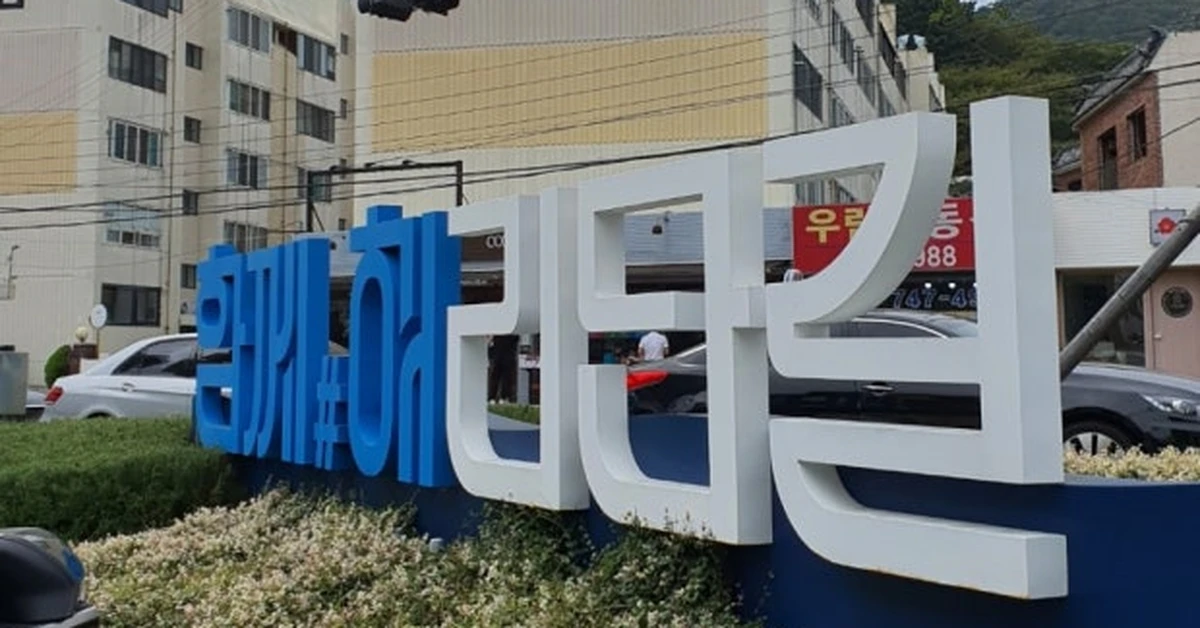
The name combines 해리 (Haeri, derived from Haeundae) and 단길 (dangil, a reference to the sloped alley format that also gives Seoul’s Gyeongnidan-gil its suffix). The pattern — a specific neighborhood developing its own identity and earning a playful portmanteau name to go with it — is one that Seoul’s most interesting districts have been following for over a decade, and Busan has caught up in its own way.
Haeridangil developed along the corridor of the former Donghae Nambu Line, an old coastal railway whose tracks ran through this part of Haeundae before the line was relocated. When the trains stopped coming through, the land alongside the old tracks became something cities rarely have: a strip of low-rise, older buildings in a central neighborhood, suddenly freed from the pressure of industrial use, affordable enough for young entrepreneurs to rent.
What arrived first were cafes. Then restaurants. Then small boutiques and concept stores. The renovation approach followed the pattern that has worked so well in Seoul’s creative neighborhoods — work with the existing structure rather than against it. Old tile roofs were kept. Wooden beams were left visible. Interior walls were stripped back to original brick or concrete. The result is a streetscape that feels genuinely old and genuinely new at the same time, the tension between the two being precisely what makes it interesting to walk through.
The area covers a compact footprint — the core of Haeridangil is walkable in twenty minutes if you move quickly, which is not the right way to approach it. The right approach is slow, without a list, with plenty of willingness to follow whatever alley looks interesting and sit down whenever something catches your attention.
Getting There
Haeridangil is located in U-dong, Haeundae-gu, and is reachable from Haeundae Station on Busan Metro Line 2. From Exit 4, walk approximately four minutes and cross the old railway tracks — the moment you step across them, the neighborhood’s atmosphere shifts noticeably from the commercial bustle of main Haeundae to the quieter, lower-built streets of Haeridangil. Most visitors find the crossing itself — the visible rust of the old tracks, the sudden change in building scale — a useful marker of arrival.
From the beach, the walk takes about ten minutes on foot, making Haeridangil an easy half-day addition to any Haeundae itinerary rather than a separate destination requiring significant travel.
The Coffee Scene
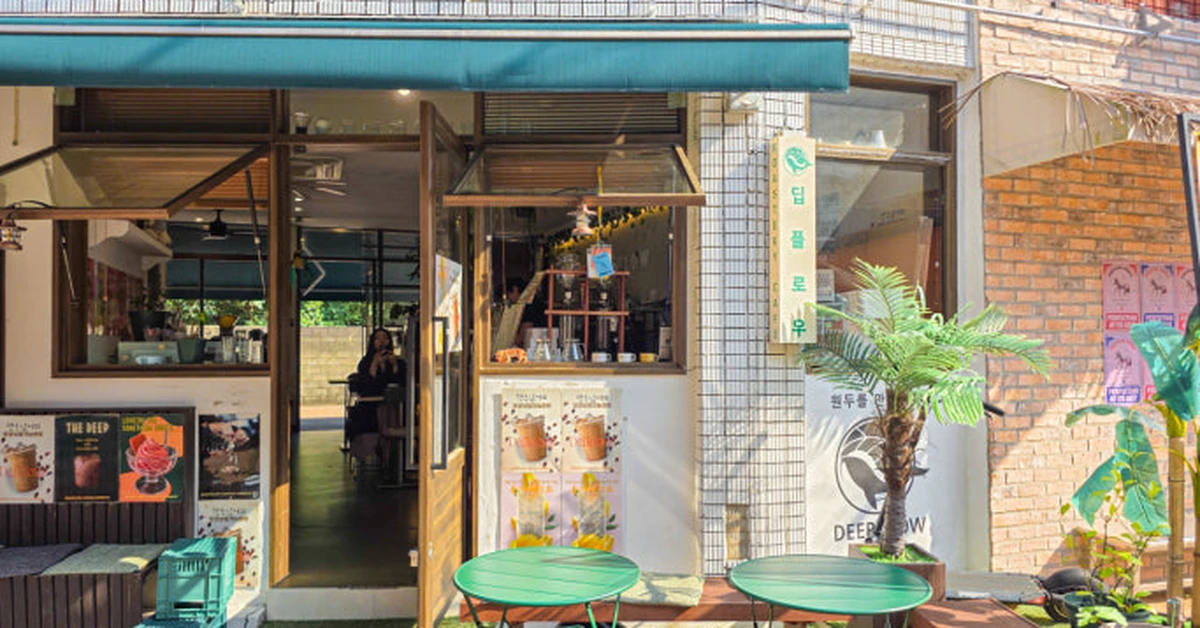
It would be fair to describe Haeridangil as primarily a coffee neighborhood that also happens to have excellent food. The density of quality cafes here — genuinely quality, not just aesthetically considered — is among the highest in Busan, and the competition between them keeps the standard consistently high.
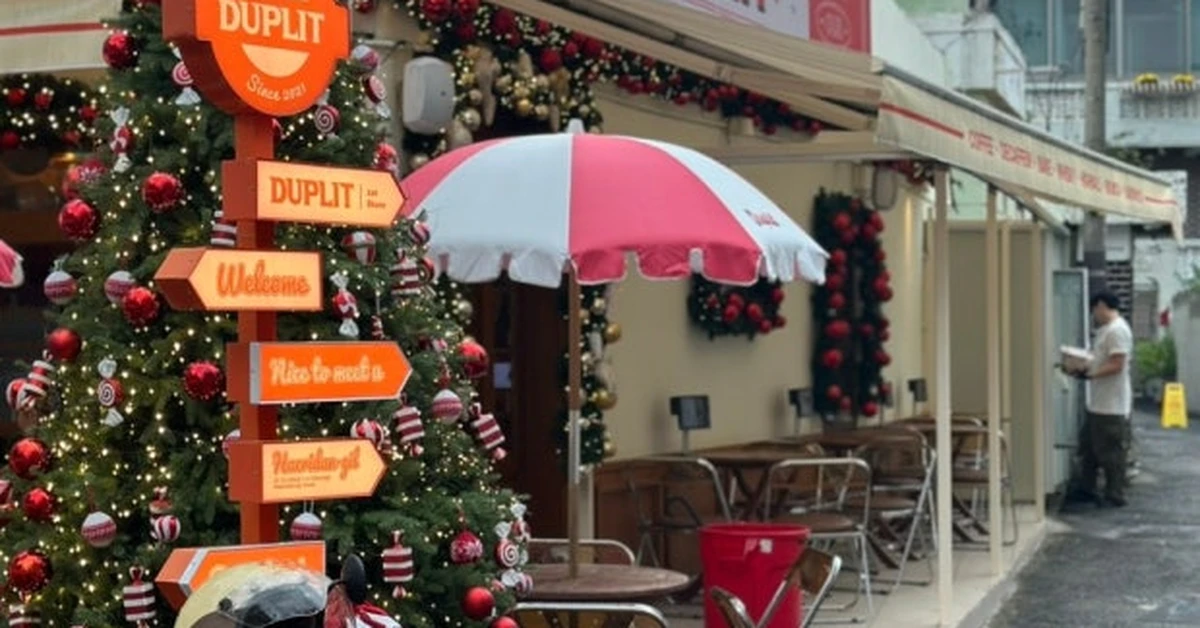
The character of the cafes varies considerably. Some occupy completely renovated interiors that bear no visual relationship to the old residential buildings they inhabit — clean concrete, minimal furniture, single-origin espresso on a menu that could belong in any specialty coffee city in the world. Others have kept the domestic character of the original space, with low ceilings, mismatched wooden furniture, and the feeling of drinking coffee in someone’s well-curated home. Both types are worth seeking out, and the contrast between them as you move through the neighborhood is part of the pleasure.
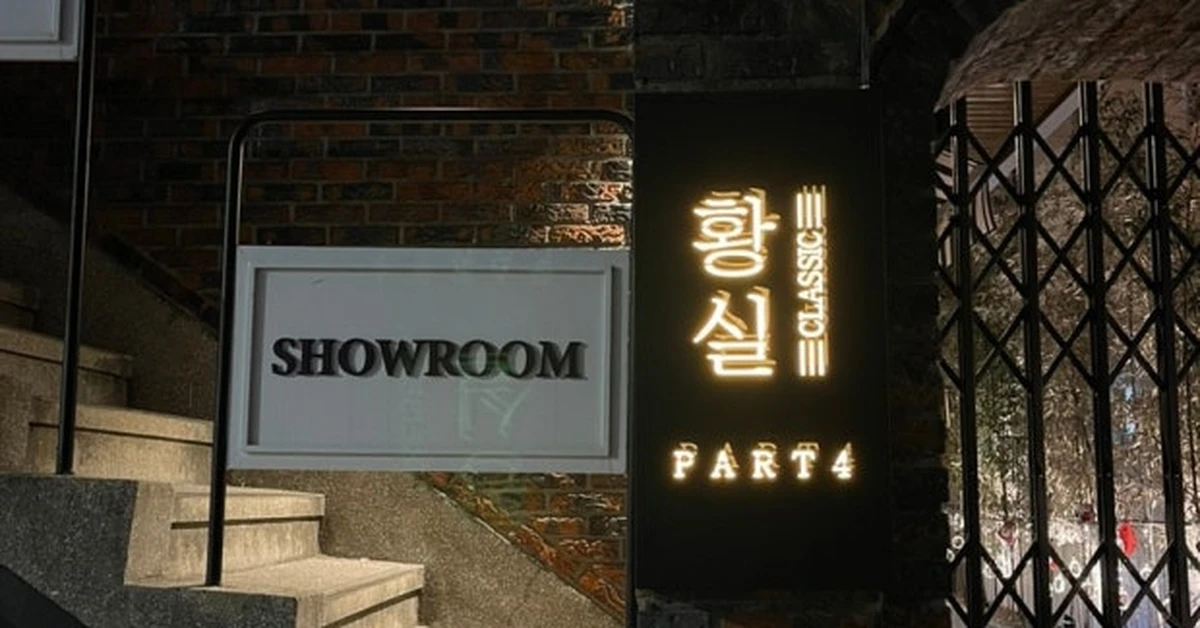
Hwang Sil Classic is one of the cafes that consistently earns strong local recommendations — specialty coffee served alongside rich brownies in a space that balances warmth and craft without tipping into either precious minimalism or nostalgic clutter. The peanut cloud latte at one of the cozier corner establishments has developed something of a cult following among regulars who know the neighborhood well. Deep Flow, known for its home-roasted beans and the kind of slow, deliberate approach to coffee that its name implies, offers drip bags and beans to take home alongside the cups served in-house.
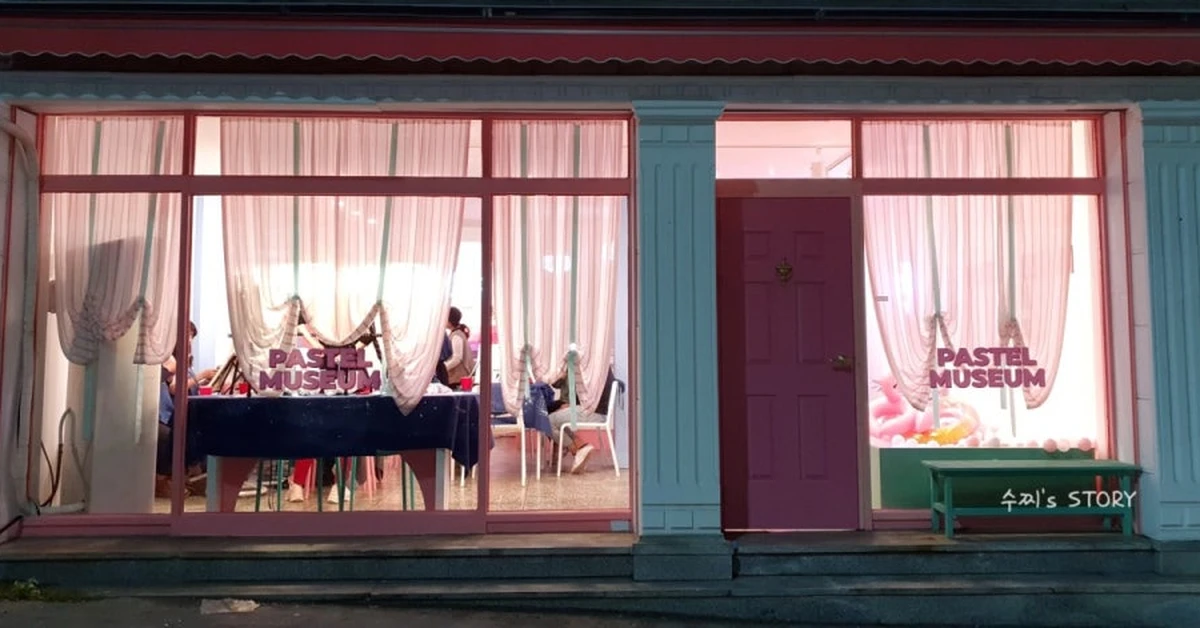
The drawing cafe — Pastel Museum — occupies a particular category of its own. It is, as the name suggests, a cafe where you can draw while drinking your coffee, with colored pencils and watercolors available at the tables. The concept sounds gimmicky until you’re sitting in it with a cup of tea and a piece of paper and realize that the combination of something to make and something to drink, in a quiet room, is one of the more relaxing ways to spend a rainy afternoon.
One practical note: the cafes in Haeridangil are small. On weekends, particularly in the afternoon, popular spots fill up and queues form. Coming on a weekday, or arriving at your chosen cafe before noon, makes a significant difference to the experience.
The Food
Where the cafe scene in Haeridangil leans toward the carefully considered and locally sourced, the food scene leans toward the internationally diverse in a way that is genuinely unusual for a neighborhood of this size in Korea.
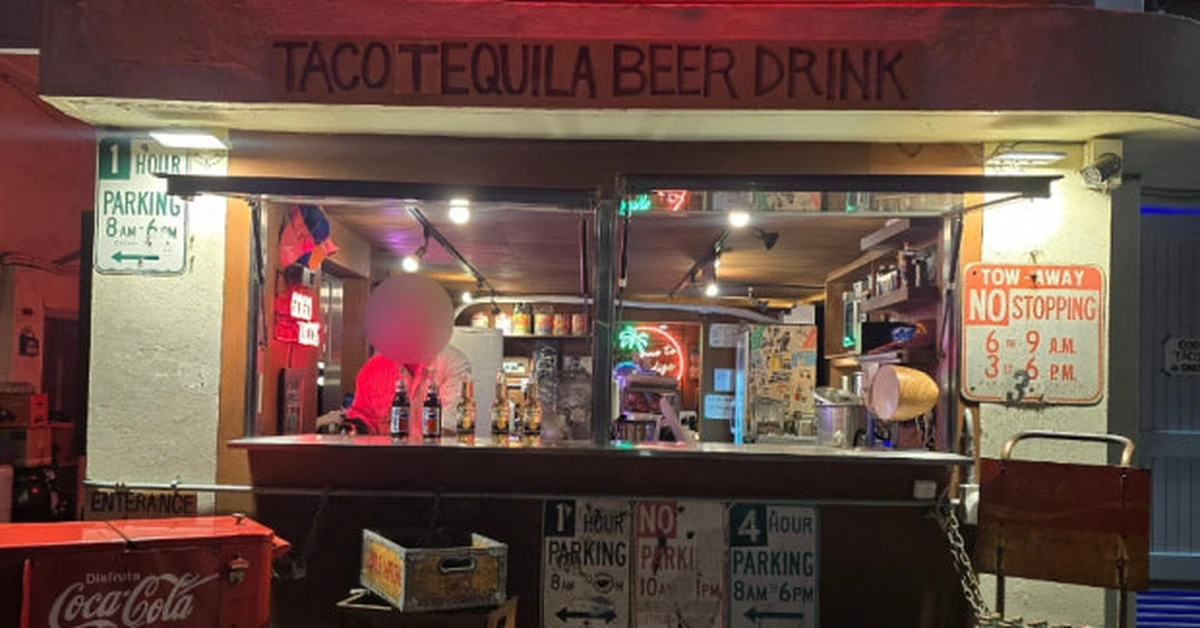
GOGO Tacos has become one of the neighborhood’s signature spots — a Mexican restaurant serving birria tacos that have earned a loyal following from the combination of genuinely good cooking and interior design that makes the space as interesting to be in as the food is to eat. The birria, slow-braised and richly spiced, arrives with a consomé for dipping that is deeply flavored in a way that takes the whole thing from good taco to something more memorable.
BAO HAUS — technically housed nearby — serves Taiwanese-style gua bao alongside beef noodles and dandan noodles, and the queue that forms outside on weekend evenings is a reliable indicator of the quality inside. The bao themselves have a pillowy, yielding texture that the best versions of the dish require, and the fillings are carefully balanced in a way that suggests someone is paying close attention to what goes into them.
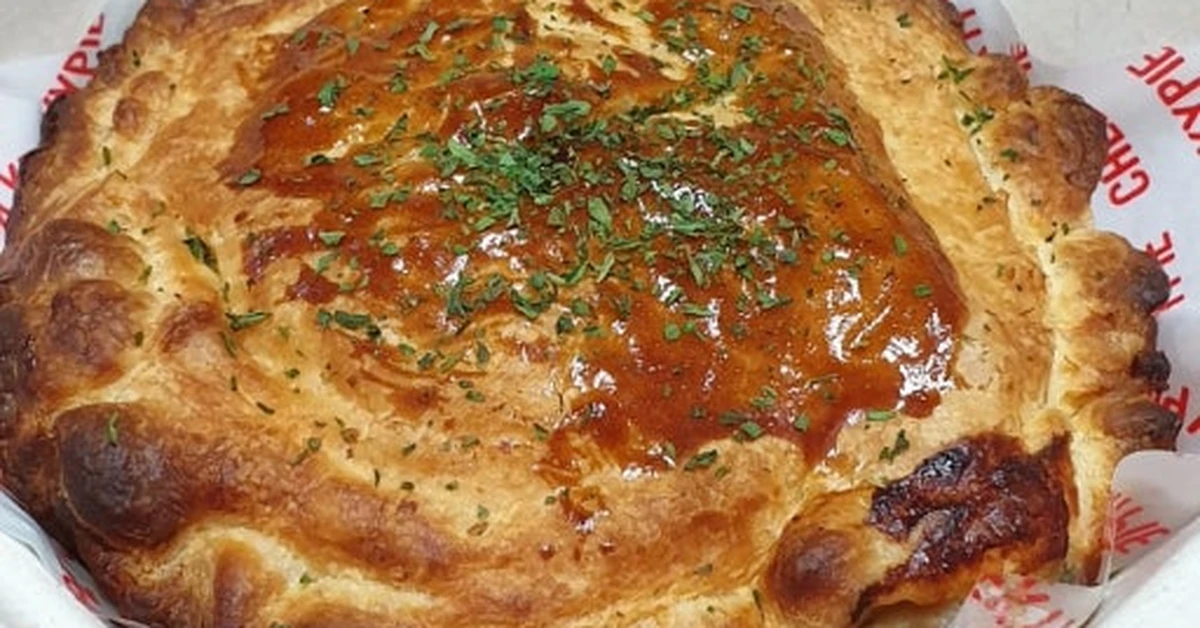
Cheeky Pie operates in a category largely its own in Busan — buttery, properly made pie crust filled with savory meat sauces in combinations that work better than the simplicity of the concept might suggest. It is the kind of food that people tend to not expect to find in this neighborhood and then talk about for the rest of their trip.

Red Tteokbokki represents the local end of the spectrum, a tteokbokki specialist serving the spicy-sweet rice cake dish that is one of Korea’s most fundamental street foods. The Haeridangil version leans toward the richer, more complex sauce that distinguishes a dedicated tteokbokki shop from a standard street stall, and the sundae — blood sausage stuffed with glass noodles and rice — that accompanies it is worth ordering as a pairing.


For something simpler, the neighborhood also has its share of brunch spots and sandwich cafes that function well for a mid-morning meal before the main exploration begins. Most have limited menus done carefully, which in practice means better food than a long menu would suggest.
Shopping and Browsing


The boutiques and concept stores in Haeridangil are fewer in number than the cafes and restaurants, but they reward slower browsing more than most. The selection tilts heavily toward locally made goods, independent Korean brands, and the kind of small-batch craft products — ceramics, printed textiles, handmade accessories — that have become the commercial signature of Korea’s creative neighborhood economies.

Busan Bada Sand is one of the more popular souvenir stops in the area, selling buttery, sweet-and-salty biscuits in a range of flavors and colorful packaging that makes them a practical gift as well as an enjoyable snack. The shop itself smells of caramel and has a bright, slightly chaotic interior that fits the neighborhood’s character well.
Hanbok rental is available in the area through several operators, which adds a dimension to the visit that most people don’t expect in a neighborhood of this character. The visual combination of a century-old hanbok against the narrow alleys and painted walls of Haeridangil is genuinely photogenic in a way that is less staged than the same activity at a more famous cultural site.
The browsing in Haeridangil rewards wandering without purpose more than targeted shopping. The stores are interesting in proportion to the time you give them, and several of the more rewarding ones are tucked into side alleys or behind unmarked doors that look residential until you push them open.
The Atmosphere and How It Compares

Haeridangil is frequently compared to Seoul’s Gyeongnidan-gil and Seongsu-dong, and the comparison is useful as a starting point if you know those neighborhoods. The scale is smaller — this is a neighborhood you can feel the edges of, which Seongsu has long since outgrown — and the character is somewhat more relaxed, reflecting Busan’s generally easier temperament relative to Seoul.

What makes Haeridangil distinctive within Busan is the contrast it provides with the Haeundae that surrounds it. Across the train tracks, the neighborhood of beach hotels and tourist facilities operates at a volume and pace that is predictable from its purpose. Haeridangil operates at a completely different register — unhurried, personal, oriented toward the experience of being in the space rather than the transaction of moving through it. The ten-minute walk between the beach and the neighborhood is one of the more satisfying micro-transitions available in any Korean city.
The atmosphere changes meaningfully across the day. In the morning, the neighborhood is quiet enough that individual cafes can feel like private discoveries. By afternoon on weekends, the lanes fill and the energy becomes more social — groups of friends moving between cafes, couples taking their time over lunch, the occasional tourist who has found their way here and looks pleasantly surprised. In the evening, the restaurants come into their own and the mood shifts again toward something slower and more convivial, with outdoor seating at several spots filling as the heat of the day drops and the street lights come on.
How to Spend a Half Day in Haeridangil
For visitors who want to structure their visit without over-planning it, a simple rhythm works well.
Arrive in the mid-morning — around 10 to 11am — when the cafes are open and the neighborhood is still quiet enough to feel genuinely exploratory. Start with coffee somewhere that catches your attention on the first pass through the main alley. Walk the full width and length of the core area before committing to anything else, because the best things in Haeridangil tend to reveal themselves to people who have already looked around rather than those who stop at the first good option.
After the initial walk, settle into a second cafe or find a spot for brunch. The late morning is the most comfortable time to sit in Haeridangil’s smaller spaces before the afternoon crowd arrives. Browse the boutiques at whatever pace feels right — this is not a neighborhood that rewards rushing.
For lunch, the international restaurant options are good at this hour and generally less crowded than they’ll be at dinner. GOGO Tacos and Cheeky Pie both have shorter waits at lunch than in the evening.
The afternoon is the time to drift rather than direct — follow the side alleys that weren’t obvious on the initial pass, sit at a different cafe from the morning, find the shop that was closed when you first walked by. Haeridangil has enough depth that a second and third pass through the same streets reveals things the first didn’t.
Seasonal Notes
Haeridangil rewards visits in every season, though the experience varies significantly across them.
Spring brings the best walking weather — mild temperatures and the particular quality of light that makes the neighborhood’s mix of old tile, painted walls, and plant-lined alley entrances look at its most appealing. The outdoor seating at several cafes and restaurants becomes comfortable from late March onward, and the energy of the neighborhood picks up correspondingly.
Summer is the busiest period, driven by the proximity to Haeundae Beach and the general high-tourist season. Weekday mornings are the most practical time to visit in July and August if crowd avoidance is a priority. The neighborhood’s narrow alleys retain some shade even in the peak heat, and the air-conditioned interiors of its cafes function as welcome relief from the summer streets.
Autumn is many regular visitors’ preferred season — the temperature drops to a range that makes outdoor browsing genuinely comfortable, the tourist pressure eases compared to summer, and the late afternoon light on the alley walls has a warmth that makes photography particularly rewarding.
Winter in Haeridangil is quieter but not absent of appeal. The cafes are particularly comfortable when the outside temperature drops, and the neighborhood’s indoor atmosphere — warm lighting, small rooms, hot drinks — becomes a specific pleasure rather than a default option. The crowd levels are at their lowest, which makes it the best time to sit somewhere good without waiting.
Practical Notes
Haeridangil is easy to reach and easy to navigate once you’re in it. The main area is compact enough that getting lost is not a realistic concern, and the narrow alleys that might seem confusing on a map are short enough that any wrong turn brings you back to a recognizable street quickly.
Cash is useful for some of the smaller boutiques, though most cafes and restaurants accept card. The cafes in particular tend to be card-friendly given the younger demographic they cater to.
Naver Maps works better than Google Maps for navigating specific spots within the neighborhood. Searching in Korean — 해리단길 — produces more complete and accurate results than the English romanization.
The neighborhood is best experienced without a specific agenda. The visitors who get the most from Haeridangil tend to be those who arrive with a general intention to wander rather than a list to complete. It is a neighborhood for afternoons with nowhere particular to be, which, given that it’s five minutes from one of Korea’s best beaches, is not a difficult condition to arrange.
Final Thoughts
Haeridangil is what Haeundae looks like when you step back from the beach and let the neighborhood find you rather than seeking it out on a map.
The things that make it worth visiting — the quality of the coffee, the diversity of the food, the particular pleasure of a creative neighborhood that is still in the process of becoming rather than having fully arrived — are the same things that make it likely to continue evolving. The Haeridangil that exists now is different from what it was three years ago, and what it becomes in the next few years will continue to surprise people who think they already know it.
Cross the tracks. Take your time. The beach will still be there when you come back.
Have you visited Haeridangil on a trip to Busan? What did you find there that we should add to this guide? Drop it in the comments — we genuinely want to know.
