Jeonju Travel Guide: The Perfect 1–2 Day Itinerary for Korea’s Most Soulful City
There are cities in Korea that impress you. And then there are cities that make you feel something quieter and more lasting — cities that slow you down, feed you well, and send you home feeling genuinely restored. Jeonju is firmly in the second category.
Located in North Jeolla Province about three hours south of Seoul, Jeonju has a reputation that travels ahead of it. Food lovers know it as the birthplace of bibimbap and one of only a handful of cities in the world designated a UNESCO City of Gastronomy. Architecture enthusiasts know it for the Hanok Village — over 800 traditional wooden houses that have stood while the modern city grew up around them. Travelers who’ve simply wandered its alleyways tend to describe it in warmer, harder-to-define terms: something about the pace, the smell of wood and street food, the way the tiled rooftops look in the late afternoon light.
This guide is built around a practical one to two day itinerary that takes in the best of Jeonju without rushing. Whether you have a single full day or a relaxed overnight stay, everything you need is here.
Getting to Jeonju
Jeonju is straightforward to reach from most major Korean cities, which is part of what makes it such a satisfying weekend destination.
From Seoul, the fastest option is the KTX high-speed train from Seoul Station to Jeonju Station, which takes approximately one hour and fifty minutes. Tickets typically cost around 34,600 won for a standard seat. SRT trains from Suseo Station offer a slightly faster and cheaper alternative at roughly one hour and thirty minutes. If you prefer buses, express coaches from Seoul’s Express Bus Terminal make the journey in about three hours and are often cheaper, though you’ll sacrifice some speed for the savings.
Once you arrive at Jeonju Station, the Hanok Village is not within walking distance — take a taxi or a local bus from the station, and you’ll be there in around ten to fifteen minutes. The taxi fare is modest, and drivers generally know the village well enough that a simple “한옥마을” (Hanok Village) communicates the destination perfectly.
If you’re coming from Busan or Gwangju, direct buses connect those cities to Jeonju’s express bus terminal, making Jeonju a natural stop on a broader southern Korea itinerary.
Day One: The Heart of Jeonju
Morning — Jeonju Hanok Village
Start here, and start early. The Hanok Village is at its absolute best before 10am, when the streets are quieter, the morning light is soft on the tiled roofs, and you have the narrow lanes mostly to yourself. By mid-morning on weekends the crowds arrive in earnest, so getting there early isn’t just a nice idea — it genuinely changes the experience.
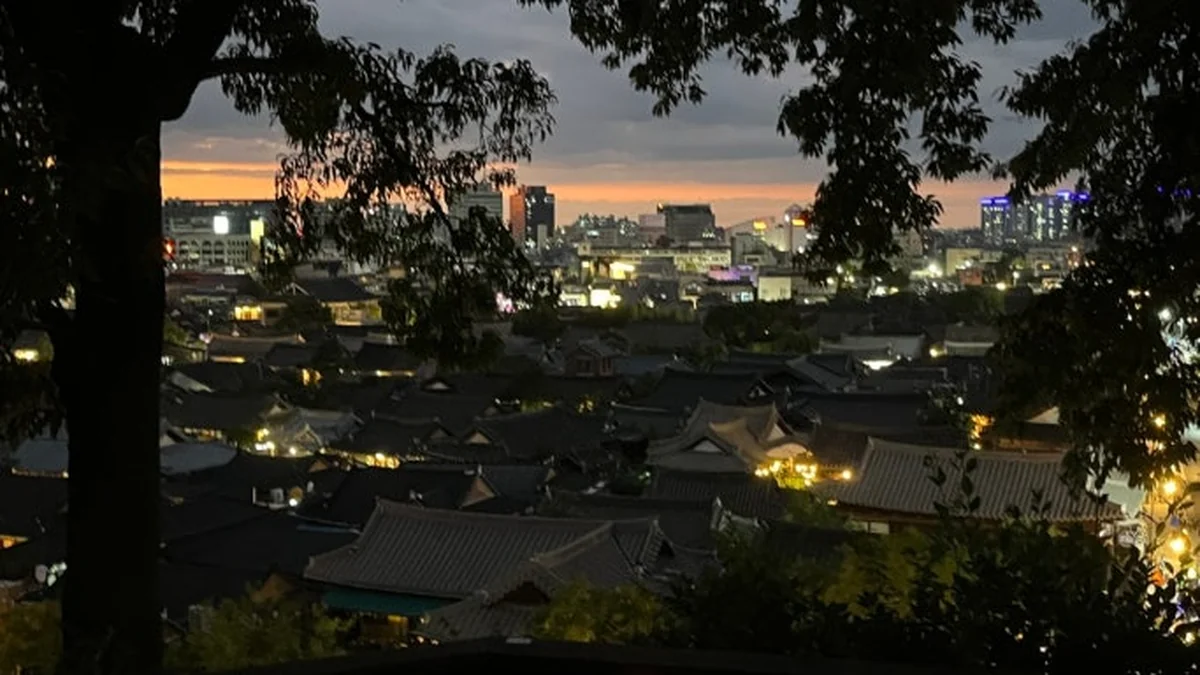
Jeonju Hanok Village is the largest traditional hanok settlement in Korea, with over 800 preserved houses spread across a compact, walkable area. Unlike Bukchon in Seoul, which sits surrounded by the modern city in an almost island-like way, Jeonju’s village has a slightly different quality — the contrast between the hanok rooflines and the contemporary buildings visible just beyond them gives the whole place an almost snow-globe quality, like a world preserved inside another world.
Wander without a fixed plan for the first hour. The village rewards exploration over checklist-ticking. Duck into the smaller lanes that branch off the main streets. Find the courtyards, the quiet corners, the old gates set into low stone walls. Much of what makes the Hanok Village worth remembering is exactly the kind of thing that doesn’t show up on maps.
Hanbok Rental
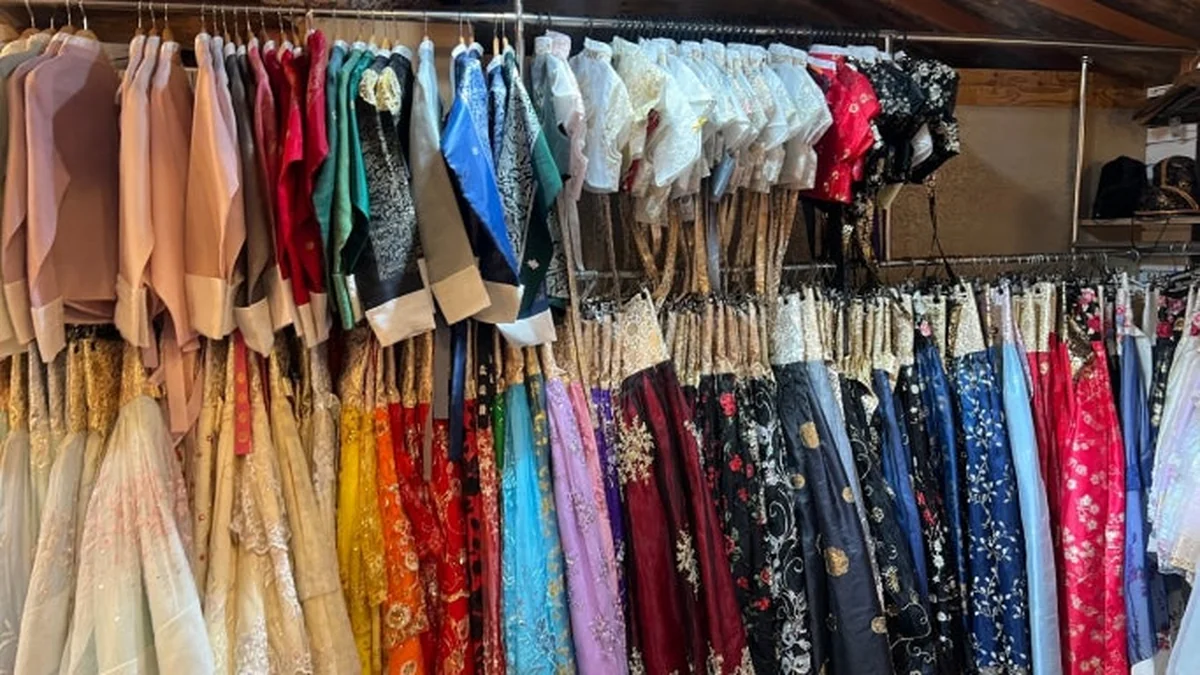
If you’re open to it, renting a hanbok for a few hours while exploring the village is one of those experiences that earns its reputation. Rental shops are scattered throughout the village — most offer a full outfit including accessories and some include a complimentary hairstyle service. Prices typically run between 15,000 and 25,000 won for a two-hour rental, and returning the outfit when you’re done is easy enough.
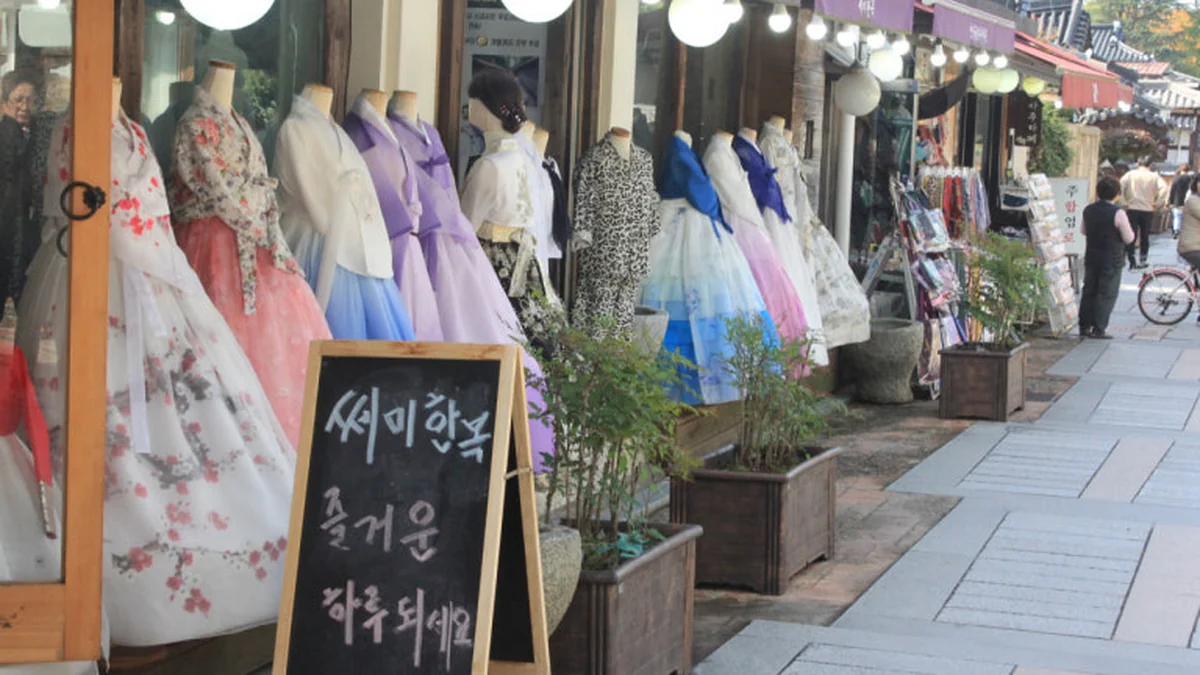
The photographs you’ll take in hanbok against the backdrop of the tiled rooftops and wooden eaves tend to look striking in a way that regular travel photos don’t. More than that, though, wearing traditional clothing in a traditional space changes the way you walk through it — you slow down, you pay more attention to the surroundings, and you feel a bit more like a participant than an observer. It’s entirely optional, but it’s worth considering.
Gyeonggijeon Shrine
A five-minute walk from the main Hanok Village streets, Gyeonggijeon Shrine is one of the most historically significant sites in Jeonju and one of the most photographed. The shrine houses a portrait of King Taejo, the founder of the Joseon Dynasty — and because Jeonju was the ancestral home of the Yi family, this particular site carries an emotional weight that goes beyond its considerable beauty.
The grounds are spacious, calm, and exceptionally well-maintained. In spring, cherry blossoms line the inner pathways. In autumn, the ginkgo trees turn the entire space golden in a way that borders on theatrical. Entry costs 3,000 won for adults, which makes it one of the most underpriced experiences on any Korean travel itinerary.
English-language guided tours are available at 11am and 2pm and last approximately 45 minutes. The guides are knowledgeable and the historical context they provide makes the site considerably richer — if your timing allows it, catching one of these tours is well worth it.
Jeondong Catholic Cathedral
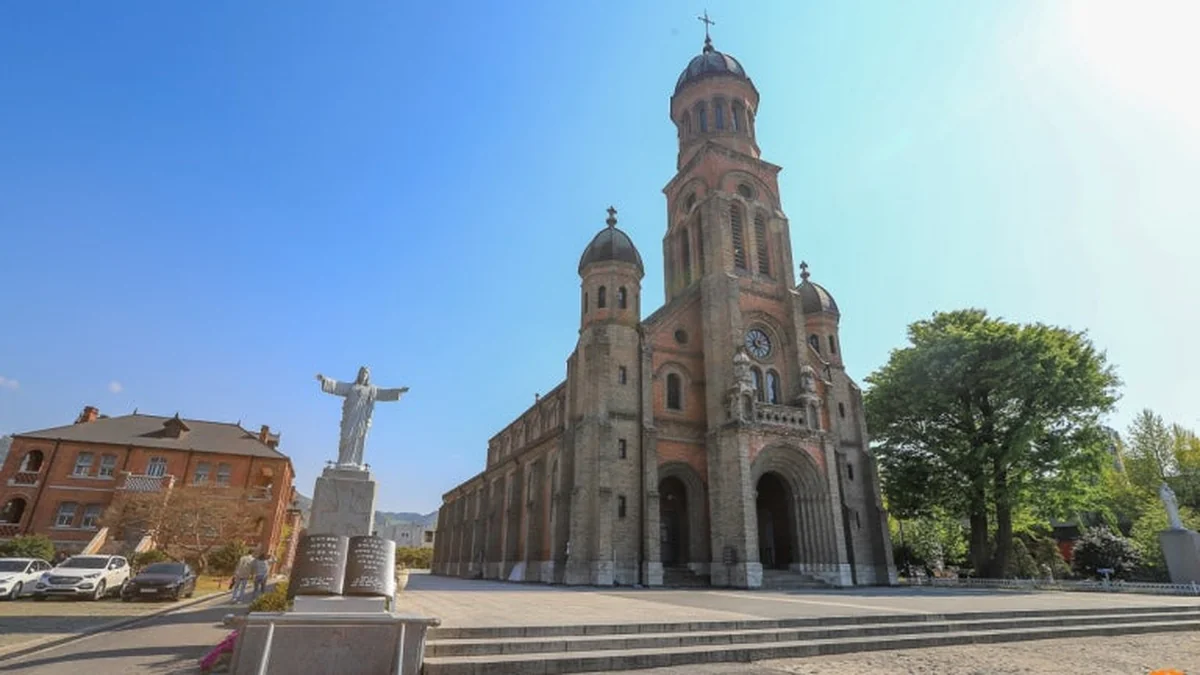
Right next to Gyeonggijeon, Jeondong Catholic Cathedral is a piece of early 20th century Korean history that catches most visitors off guard with how beautiful it is. Built in 1914 in a Byzantine-Romanesque style using red brick — unusual in Korea — the cathedral rises above its surroundings in a way that creates one of Jeonju’s most striking contrasts: European ecclesiastical architecture standing a short walk from a Joseon Dynasty shrine, both occupying the same sunlit afternoon.
The building is still an active place of worship, so visitors should be respectful of that. The interior is worth stepping inside, and the afternoon light through the stained glass gives the cathedral interior a warm, amber-toned glow that stays with you. The exterior, particularly the red brick facade against a blue sky, is one of the most reliably beautiful photographs in Jeonju.
Lunch — Jeonju Bibimbap
Jeonju is the city that claims to have originated bibimbap, and eating it here is one of those travel experiences that lives up to the expectation. The version served in Jeonju differs meaningfully from what most people have eaten elsewhere — the rice is typically mixed with bean sprout broth instead of plain water, the vegetables are more varied and carefully seasoned, and the overall presentation tends to be more generous than what you’ll find in Seoul restaurants.
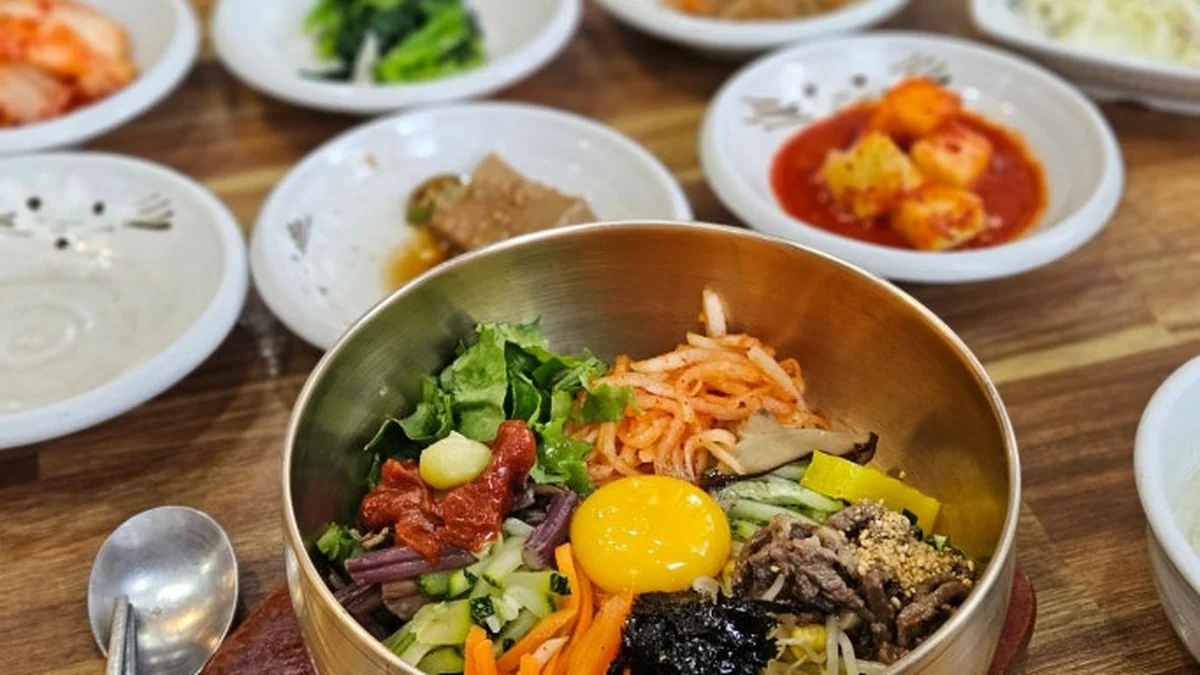
The streets around the Hanok Village and Nambu Market are lined with bibimbap restaurants, many of which have been operating for decades. Lines form at the well-known spots, particularly on weekends, but they tend to move steadily. Most full bibimbap sets come with an array of side dishes — banchan — that turn a single meal into a table full of small tastes. Plan to spend at least an hour here, because the food deserves that pace.
Afternoon — Omokdae and Imokdae
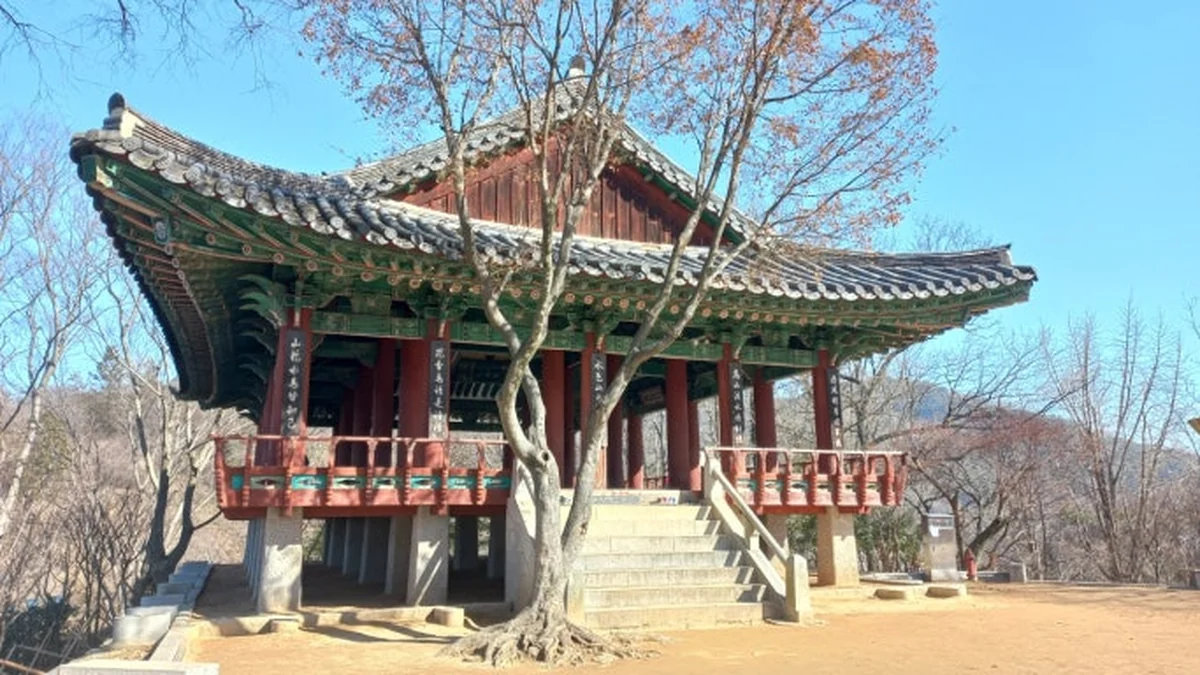
A short walk brings you to Omokdae, a small hill on the eastern edge of the Hanok Village that offers the best panoramic view of the entire rooftop landscape. This is the spot where Yi Seong-gye, who would later become King Taejo, is said to have celebrated his military victory over Japanese invaders in the 14th century — and it’s where every photographer in Jeonju eventually ends up.
The view from the top is genuinely arresting: dozens of traditional curved rooftops spreading out below you in every direction, the modern city visible just beyond the edges, and on a clear day a sweep of mountains behind it all. Come here around sunset if your timing allows — the golden light over the hanok village from this vantage point is one of the most beautiful things Jeonju has to offer.
Jaman Mural Village
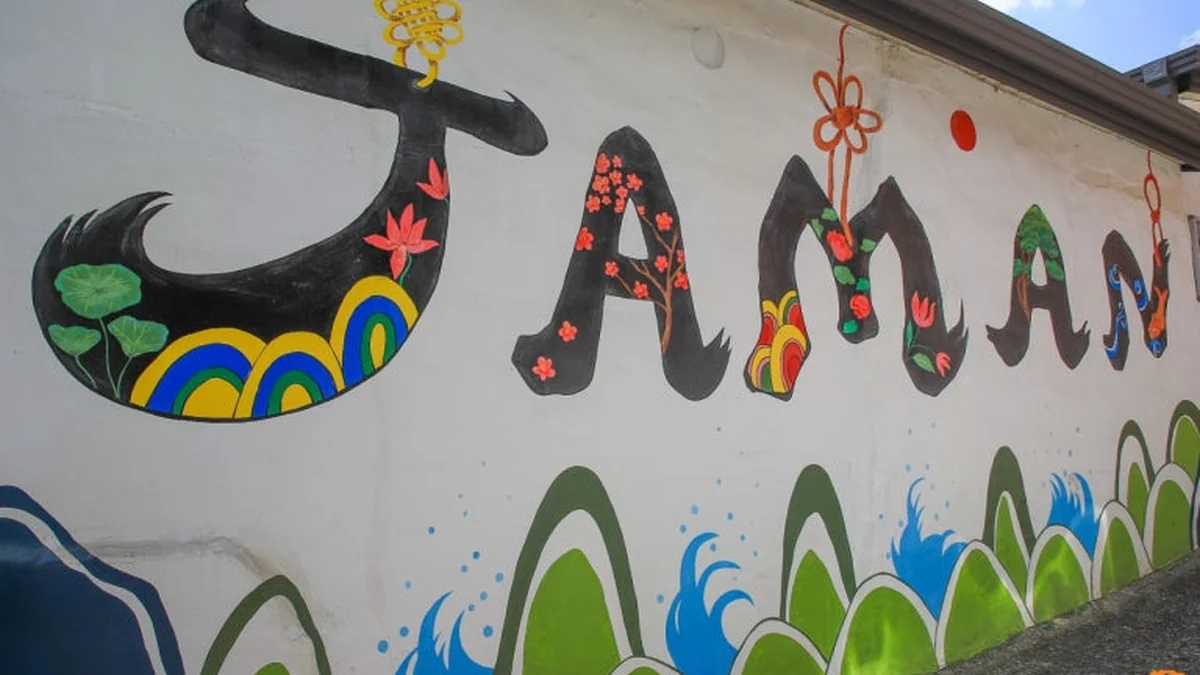
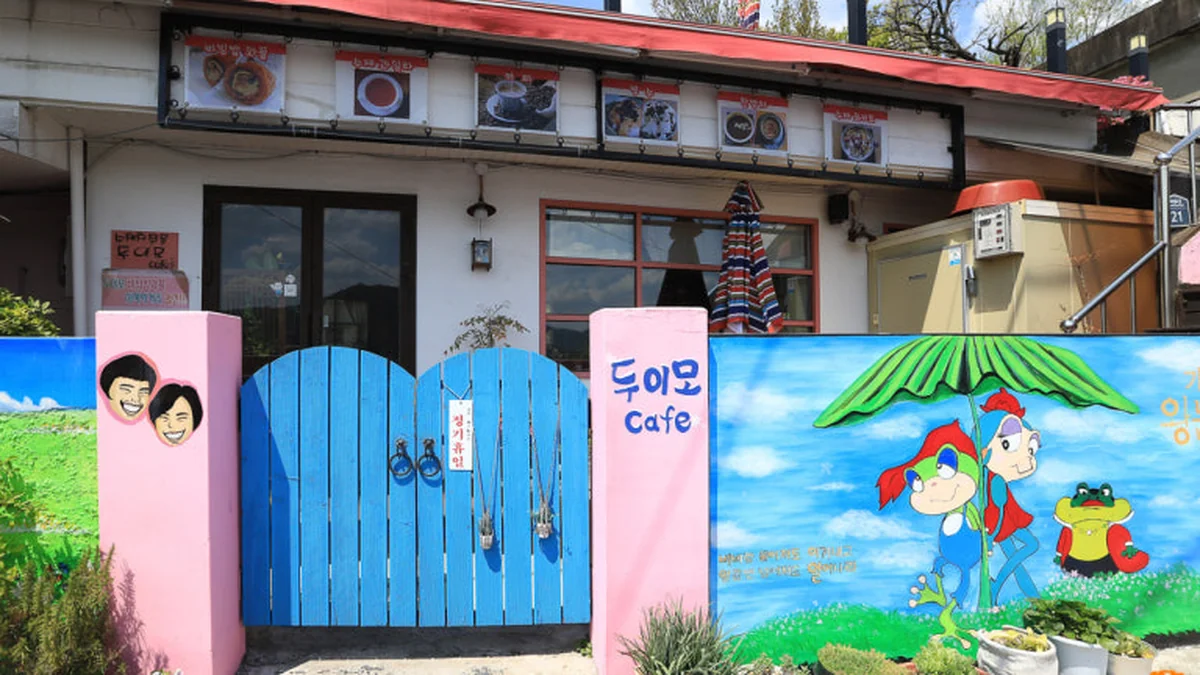
Adjacent to Omokdae, Jaman Mural Village is a hillside neighborhood whose steep alleyways have been transformed over the years by murals painted by local artists. It’s smaller and quieter than similar mural villages in Korea, which is part of what gives it charm. The art ranges from simple and cheerful to surprisingly detailed, and the whole area has the feeling of a creative community that grew organically rather than being designed for visitors.
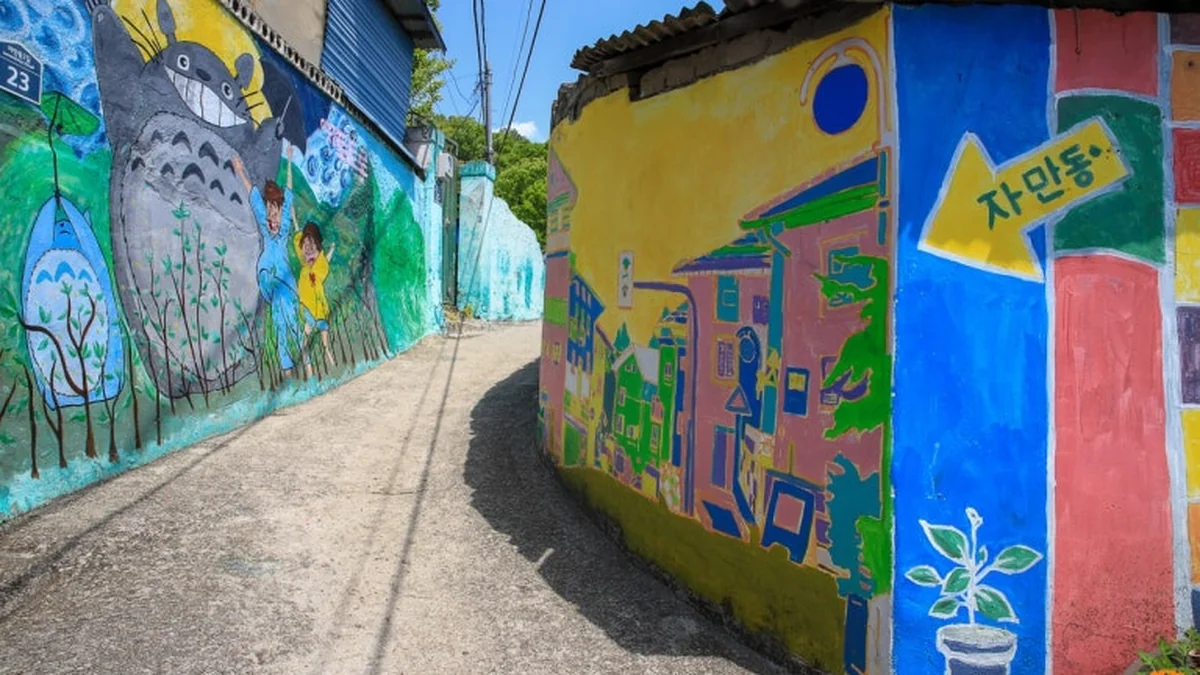
It’s not a destination you need a full hour for — thirty minutes of wandering is usually enough — but combined with the Omokdae viewpoint, it rounds out the afternoon nicely and gives you a break from the more formal historical sites.
Evening — Jeonju Nambu Market and Night Market
As the day cools down, the area around Jeonju Nambu Market comes alive. The traditional market itself is worth a daytime visit for its produce, dried goods, and local ingredients, but the real draw in the evening is the Jeonju Night Market, which operates on Friday and Saturday nights and fills the streets with food stalls, handmade goods, and a crowd that manages to feel festive without being overwhelming.


The food here covers the full range of Korean street eats — dumplings, skewers, handmade rice cakes, hotteok, and much more — alongside some distinctly Jeonju specialties. Makgeolli, Korea’s traditional rice wine, is something Jeonju is particularly proud of, and the local version is often served with an unusually generous spread of side dishes. Finding a low table in one of the pojangmacha-style drinking tents, ordering a jug of makgeolli and a plate of pajeon, and watching the evening market bustle around you is one of those simple pleasures that costs almost nothing and sticks in the memory for a long time.
If You’re Staying Overnight
Jeonju earns itself a second day for anyone who has the time. Staying overnight at a hanok guesthouse is one of the better decisions you can make in Korea. The experience of sleeping on a heated ondol floor, stepping out into a quiet courtyard in the morning before the day-trippers arrive, and eating a proper Korean breakfast in a traditional wooden house is genuinely unlike anything you’ll find in a regular hotel.
Hanok guesthouses range from basic to beautifully appointed, and prices vary accordingly — a midrange option typically runs between 80,000 and 150,000 won per night. Book ahead on weekends, particularly during spring and autumn when the village fills up quickly.
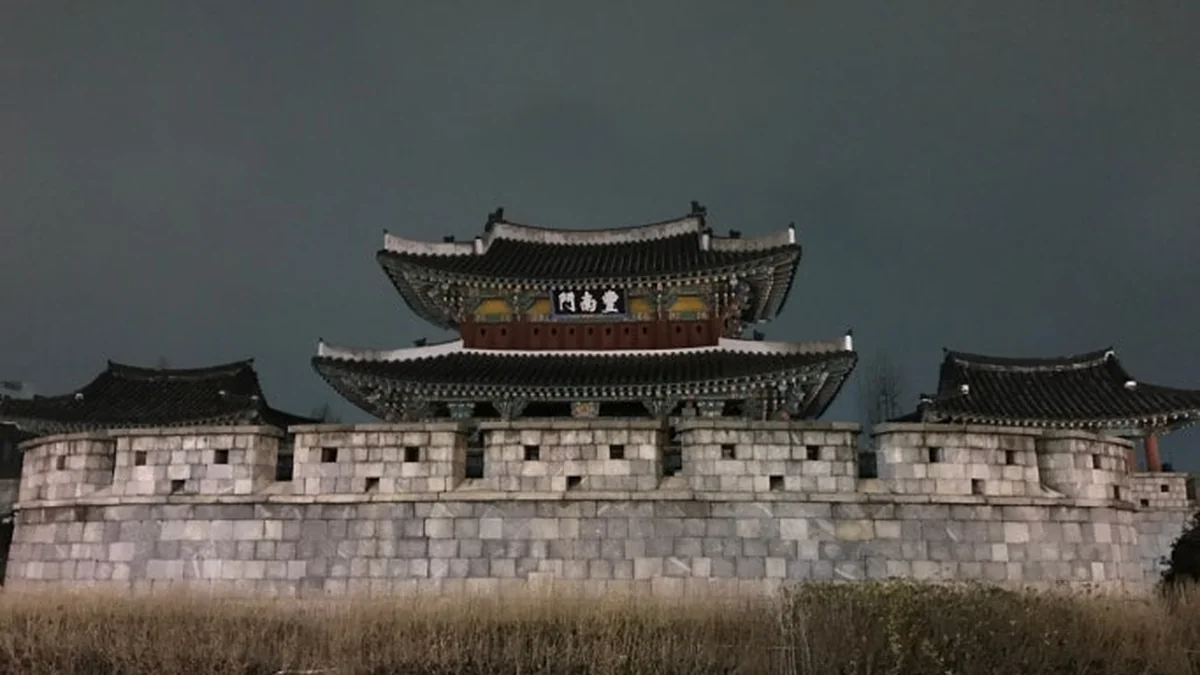
A second day opens up options beyond the main village: Deokjin Park to the north of the city is worth a morning visit for its lotus pond and walking paths. Pungnammun Gate, the last remaining section of Jeonju’s ancient city wall, stands just south of the Hanok Village and is easy to miss if you don’t know to look for it. The Hanji Museum — dedicated to Korea’s traditional handmade paper — is small but beautifully curated and gives a different perspective on the city’s artisan heritage.
Practical Notes
The Hanok Village is entirely walkable, and almost everything in this itinerary is within a 20-minute walk of the village center. Comfortable shoes matter — the streets are uneven stone in places, and the hill up to Omokdae is steep enough that anyone who’s had a large bibimbap lunch will want flat soles.
Most signage in the main village areas includes English, and the tourist information center near Gyeonggijeon is staffed and helpful if you have questions. Naver Maps handles Jeonju’s local bus routes accurately. Taxis are abundant and inexpensive.
The best seasons to visit are spring and autumn, for the same reasons they’re recommended across most of Korea — clear skies, comfortable temperatures, and the particular beauty of cherry blossoms or ginkgo trees in a hanok setting. Summer is warm and lively but weekends in July and August bring significant crowds. Winter visits are possible and offer a different kind of stillness, though some outdoor food stalls operate reduced hours.
Final Thoughts
Jeonju is the kind of city that works on you gradually. It doesn’t deliver one dramatic moment — it accumulates them. The slow walk through the morning village before breakfast. The taste of properly made bibimbap in the place it came from. The view from Omokdae as the sun drops behind the hanok rooftops. The cold cup of makgeolli at a street-side table while the night market hums around you.
None of these things require much planning or much money. They just require showing up, slowing down, and letting the city work at its own pace. Korea offers plenty of spectacular destinations — Jeonju is one of the ones that feels most like a place people actually live in and love, which is a rarer thing than it sounds.
Have you been to Jeonju? What was the moment that got you — the food, the rooftops, the early morning quiet? Leave your experience in the comments. We’d love to hear what Jeonju felt like for you.