The Quiet Rule at Korean Dining Tables
The Moment Before the First Spoon
At a Korean table, there is often a pause.
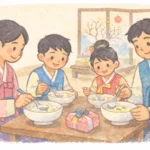
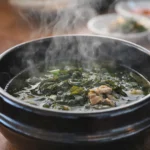
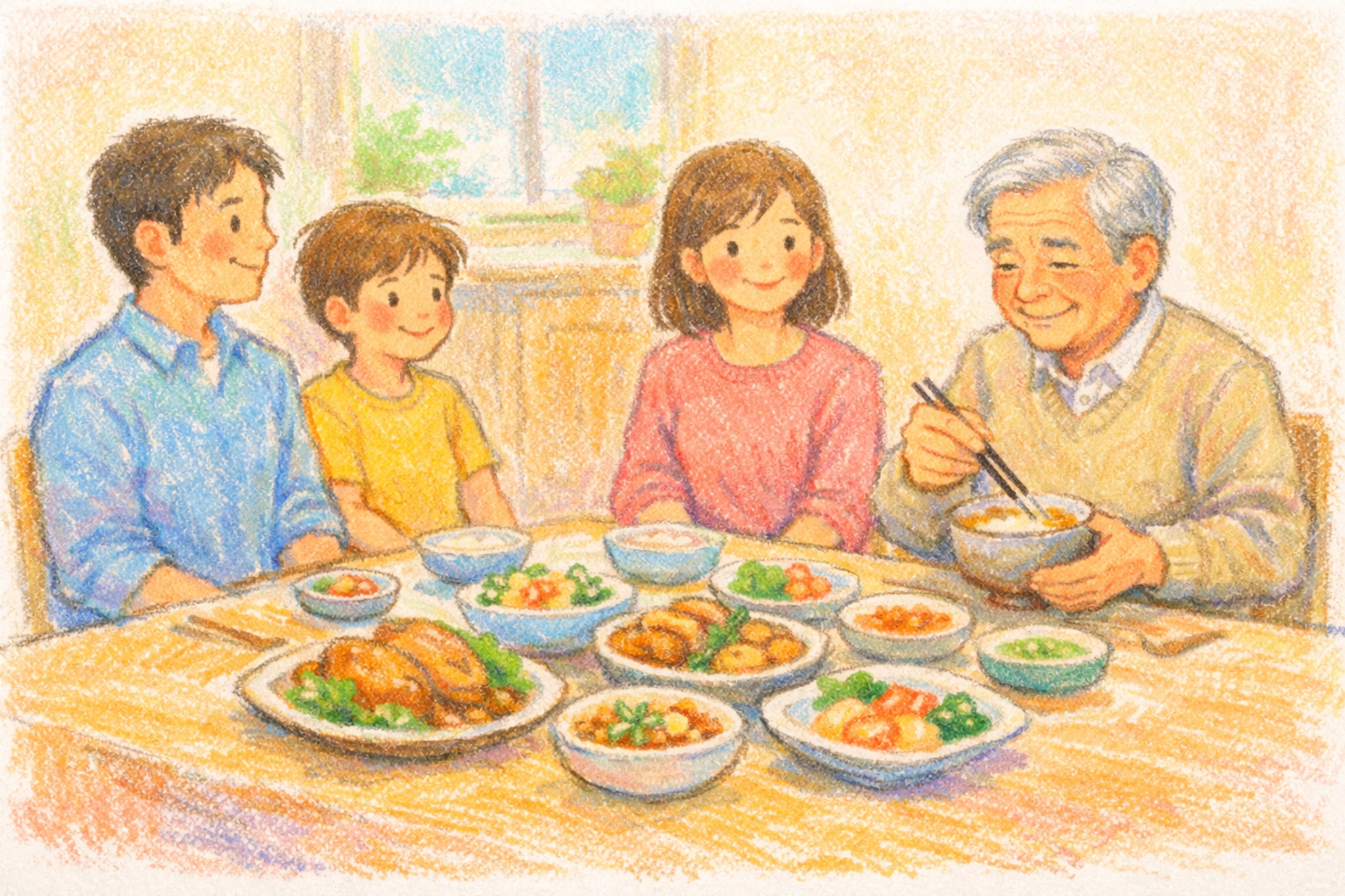
The food has arrived. Steam rises. The spoons are laid out within reach. Everyone is seated. No one is eating yet.
Someone is waiting.
To outsiders, the delay can feel unnecessary, even inefficient. The food will cool. People are hungry. And yet, no one moves first.
They are waiting for the oldest person at the table to begin.
The Literal Rule, Briefly
The rule is simple: the elder eats first.
This applies at home, at family gatherings, and often at work dinners. The definition of “elder” shifts depending on context. It may be the oldest by age, the highest in rank, or the senior within that specific group.
The rule is rarely announced. No one explains it out loud. It exists in the air, sensed rather than enforced.
How It Actually Plays Out
No one stares at the elder’s spoon.
No one urges them to start.
Instead, people sit slightly still. Hands rest on laps. Chopsticks hover, then lower again.
The elder does not rush. They may say nothing. They may take a sip of water first. The table waits without pressure, but also without impatience.
Once the first spoon touches the soup, the pause dissolves.
The meal can begin.
Common Misunderstandings
This behavior is often interpreted as blind obedience or strict hierarchy. Sometimes it is explained as Confucianism, as if a philosophy alone controls muscle memory.
But many Koreans do not consciously think about philosophy at the table.
The waiting is not always about reverence. It is about alignment.
Starting together matters more than starting early.
Respect as Timing, Not Words
In Korean culture, respect is often shown through timing rather than language.
You wait before speaking.
You pause before sitting.
You do not interrupt the flow already in motion.
Waiting for the elder to eat first is one of these pauses.
It is not praise. It is not gratitude. It is a way of saying, without words: I see where I am in relation to you.
Eating Is Not an Individual Act
Meals in Korea are rarely framed as personal time.
Even when eating alone, the language around food assumes others. “Did you eat?” (밥 먹었어?) is a greeting, not a nutritional inquiry.
At a shared table, this assumption becomes visible. The meal belongs to the group before it belongs to the individual.
Starting early would break that shape.
The Discomfort of Being First
For younger Koreans, eating before an elder can feel physically uncomfortable.
Not morally wrong in a dramatic sense. Just wrong in the body.
The first bite carries attention. It declares initiative. It places you momentarily ahead.
At a Korean table, being ahead is rarely comfortable.
When the Rule Softens
In casual settings, the rule bends. Close families may wave it away. Elders may insist others eat first.
“Go ahead.” (먼저 먹어.)
Even then, the offer matters. Permission must be given. Equality is not assumed; it is granted temporarily.
Without that signal, people wait.
The Elder’s Position
This pause is not always pleasant for the elder.
Being the one who must start can feel heavy. The table watches indirectly. Responsibility settles on the person with the spoon.
Some elders rush deliberately, breaking the tension. Others delay, asserting calm.
Either way, the structure holds.
The Table as a Small Society
The dining table reflects a larger habit in Korean life: people adjust themselves before adjusting the situation.
Rather than claiming space, they read it.
Rather than acting first, they check.
Waiting to eat is not dramatic. It does not announce values. It simply keeps things from feeling out of place.
A Quiet Ending
Eventually, the elder eats.
Everyone else follows.
The food may be slightly cooler. No one comments.
The pause disappears, but it leaves a trace. A shared sense that the meal began properly.
Nothing was said.
That was the point.